Odor Removal Cost: What Changes the Price of a Job
The source of the smell, not the machine, sets most of the price.
Odor removal prices vary a lot because the smell is only a sign of the problem. The real work is finding what holds the smell. It might be soaked padding, smoke film on walls, residue in the ducts, or a stained subfloor. That source must be removed or cleaned before any air treatment starts. Here is how that work is priced and how to compare quotes.
Get an email reply about odor removal
Send a short message to the follow-up inbox. A coordinator can reply by email. This form does not send emergency help; call 911 first if anyone is in danger.
What published figures say about cost
- $27,477
HomeAdvisor lists fire and smoke remediation at a national average of $27,477, with smoke odor treatments such as ozone at $400 to $800 and thermal fogging at $200 to $600.
Read with care: The average includes structural fire repair and soot cleanup, far beyond odor-only jobs.
Source: HomeAdvisor (2026)US national estimate, typical range $3,083 to $52,031
- $5,000
A UCLA survey of California apartment operators found smoking-related costs for recently vacated units averaged nearly $5,000 per year, with a median of $2,000.
Read with care: Self-reported by a small subset of California landlords over a decade ago; costs are not inflation adjusted.
Source: UCLA Health / American Journal of Public Health (2011)343 California Apartment Association members, 22.4% response rate
- $650
Fixr reports a national average pet odor removal cost of $650, with most homeowners paying $500 to $800 and enzyme cleaning running $30 to $40 per room.
Read with care: Cost-guide estimates, not surveyed invoices; severe subfloor cases can exceed $1,250.
Source: Fixr (2025)US national estimate updated January 31, 2025
- $497 million
A CDC study estimated smoke-free policies in all US subsidized housing would save $497 million per year, including $134 million in renovation costs and $53 million in fire losses.
Read with care: Modeled estimate from 2014 that combines health care, renovation, and fire costs rather than measured spending.
Source: CDC (2014)US government-subsidized housing, about 7 million residents; Preventing Chronic Disease study
- $300-$600 per floor
Fixr prices ozone treatment for smoke damage at $300 to $600 per floor and thermal fogging at $200 to $550 per floor.
Read with care: Per-floor pricing varies with square footage, severity, and whether contents are treated.
Source: Fixr (2025)US national estimate updated January 31, 2025
- 10 working days
Employers must offer the hepatitis B vaccine within 10 working days of assigning an employee to a job with occupational blood exposure.
Read with care: Employees may decline; the vaccine must be at no cost.
Source: OSHA (2024)United States employers with occupationally exposed employees
These figures are public research and agency data, not this network's own job records. Keep each number with its population, year and limits; none of them predicts cost, timing or outcome at a specific property.
What goes into the cost of professional odor removal?
The first charge is finding the cause. A technician looks over the space to trace where the smell comes from. They may use moisture meters, UV lights, or just careful looking. Then they decide whether cleaning is enough or whether materials must come out. That check shapes everything after it. A careful inspection often saves money compared with a vendor who brings machines first and looks for the cause later.
Dealing with the source is usually the biggest part of the bill. It can mean pulling up carpet pad and underlayment or cutting out stained drywall. It can mean cleaning soot off surfaces, cleaning or washing belongings, and using enzyme products on urine-soaked materials. Each step takes labor, protective gear, sealing off the area, and hauling away what comes out. Removed items are bagged, recorded, and hauled off, which adds its own line to the bill.
Air treatment comes after the source is handled. Hydroxyl machines, ozone machines, and thermal foggers each cost money to rent and watch over. Ozone also needs the space to be empty. Last, many good companies include a follow-up check. Some odors come back once humid weather warms the materials still in place. Ask whether that re-check is in the price or billed as a separate visit.
- Inspection and finding the source
- Removing soaked or damaged materials
- Cleaning surfaces, belongings, and heating and cooling parts
- Air treatment machines and monitoring
- Disposal and re-checks after treatment
- Rebuilding removed flooring or drywall, if needed
Which factors move an odor removal quote up or down?
The type of odor matters most. Smells from a death, long-term smoking, ongoing pet urine, and fire smoke each soak into materials in different ways. A short, recent smell in a small area may clear with cleaning and a brief air treatment. Years of smoke or repeated pet accidents may mean more. You may need to remove flooring, seal the framing, and clean every hard surface in the home.
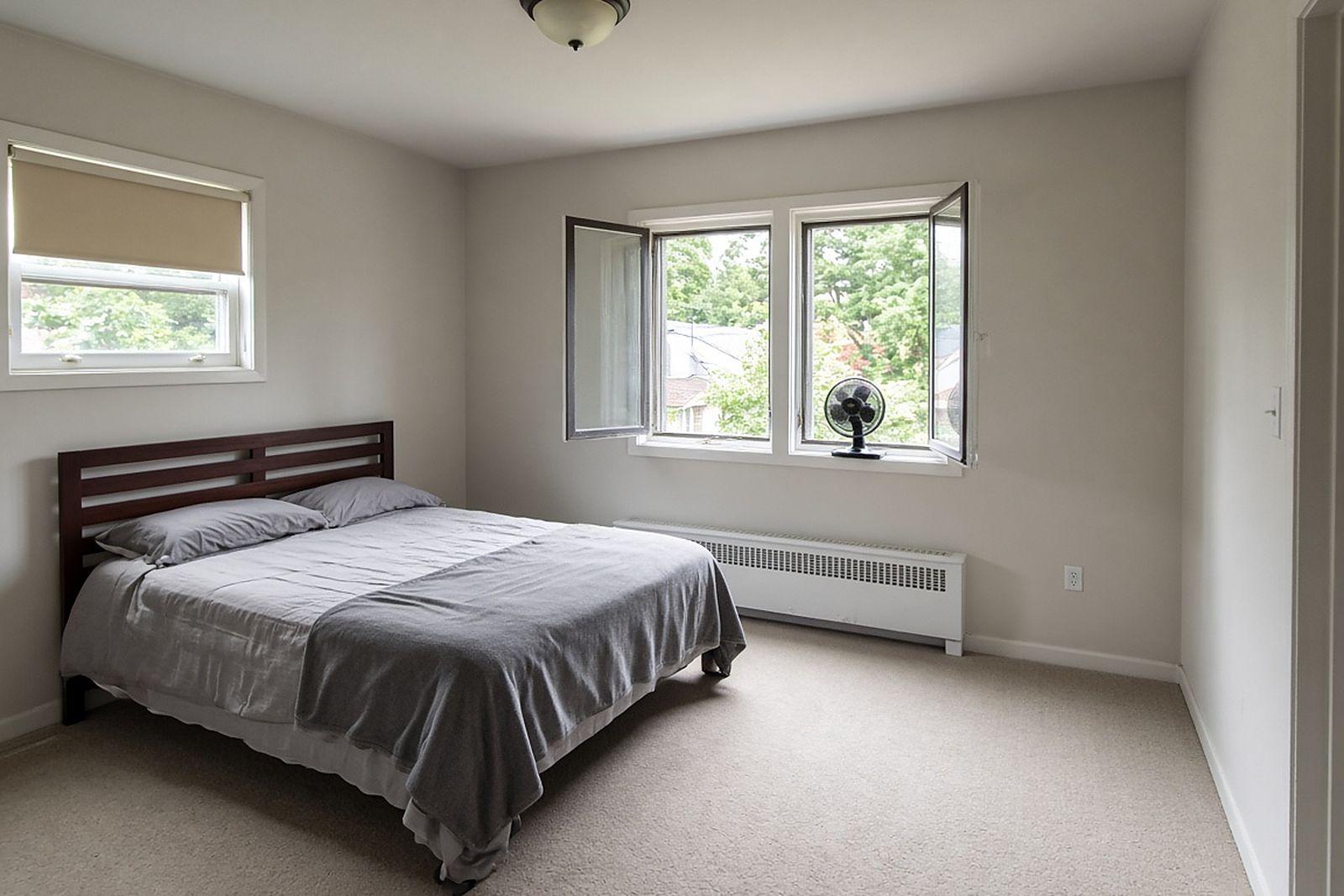
Size and access affect the price too. More floors, finished basements, crawl spaces, and attics each add labor. The heating and cooling system may have spread the smell through the whole building. If so, it may need new filters or duct cleaning. Whether people live there matters too. Ozone means everyone, including pets and plants, must leave. That can mean extra visits to plan treatment around your family or tenants.
How much do air treatments like ozone and thermal fogging cost?
Air treatments are often the most visible part of the job. So it helps to see how outside sources price them. In its 2025 pricing guide, Fixr prices ozone treatment for smoke damage at $300 to $600 per floor. It prices thermal fogging at $200 to $550 per floor. Those figures cover only the treatment step. They don't include removing the source, cleaning, or rebuilding that may need to come first.
Treat any published range as a starting point for questions, not a quote for your home. Ask each vendor how many rounds of treatment they expect and how long the machines will run. Ask how they will decide the treatment is done. A company that plans several rounds of ozone without dealing with soaked materials may be treating the symptom, not the cause.
How do you compare itemized odor removal quotes?
Line up the quotes by step: inspection, source removal, cleaning, air treatment, disposal, and rebuilding. A good estimate lists each step separately, with the areas and materials involved. Say one quote shows only a single machine charge. Another includes removing the pad and sealing the subfloor. They are describing very different jobs. The cheaper one may not actually fix the problem.
Look for clear wording about what counts as success. Some vendors plan a follow-up visit after a stretch of warm or humid weather. That is when lingering odors tend to come back. Be careful with promises that the smell will never return. This is most true when no one has looked under the flooring or inside walls. Honest vendors explain the limits of what they can promise.
What hidden costs can appear during odor removal?
The most common surprise is finding that the source is bigger than it looked. Once the carpet is lifted, urine may have soaked into the subfloor. Smoke residue may reach into the insulation. At that point, the job grows to include removing and maybe replacing parts of the structure. Ask vendors how they handle changes to the job. Ask whether they will stop and talk with you before adding work.
Rebuilding is another cost some odor companies leave out. If flooring, padding, or drywall comes out, you may need another contractor to replace it. A place to stay, pet boarding during ozone treatment, and cleaning or replacing belongings can add costs too. Ask each vendor what is included and what is not. Ask who handles repairs afterward. Getting that answer early keeps a finished odor job from turning into an unfinished room.
Who usually pays for odor removal?
For homeowners, it often depends on the cause. When odor follows a sudden covered event, like a fire, the cleanup may be part of an insurance claim. Long-term smells from pets or smoking are usually the owner's cost. For rentals, landlords often pay to get a unit ready between tenants. They may try to take costs from a security deposit where the lease and local law allow it.
After a death that went unnoticed for a while, costs may be paid by the estate or the property owner. In some cases, the owner's insurer pays. Buyers and sellers may negotiate odor cleanup as part of a home sale. Rules vary by state and county; verify with the local authority. Read your lease or purchase contract before you assume who is responsible. Clear written agreements help prevent fights among family members, buyers, and property managers.
What does a realistic odor removal scenario look like?
Picture a landlord taking back an apartment after a long-term tenant who smoked inside and kept several cats. The first vendor offers one ozone treatment. The second inspects and finds urine stains in the carpet pad and subfloor. It notes a yellow film on the walls and cabinets. It plans to remove flooring in the affected rooms and seal the subfloor. Then it will wash surfaces, replace the air filters, and run air treatment.
The second quote is bigger, but it deals with the causes. The landlord picks it. She schedules a re-check after the unit sits closed through a warm spell. Before new flooring goes down, the vendor confirms the odor hasn't come back. The landlord keeps the photos and invoices in case the former tenant disputes any charges. She plans rebuilding costs as a separate line in her budget for getting the unit ready.
Estimate your range
Odor Removal cost range estimator
Educational only. Real pricing needs an on-site assessment and a written scope. Insurance coverage is decided by your carrier, not by this tool.
Educational range: $500 – $800
Scaled from a published reference range (pet odor removal, typical homeowner spend) reported by Fixr (2025). Your region, provider and the actual findings on site can move the real number outside this range.
Cost level: Mid range.
None of the big cost multipliers are selected. Minimum service charges, travel and waste fees still apply.
Ask every quote to itemize labor, containment, product, waste disposal, verification sampling, and any rebuild, and to state what is excluded.
Open the full tool page for a worked example and more answers.
Costs questions about odor removal
Why do odor removal quotes vary so much between companies?
Different companies may be planning different jobs. One may plan only an air treatment. Another may include removing soaked padding, sealing subfloors, and cleaning ducts. The second approach costs more but goes after the source. When quotes differ a lot, ask each vendor what they found during the inspection. Ask exactly what they plan to remove, clean, and treat. That tells you more than comparing totals.
Is ozone treatment enough to remove a strong smell?
Often it is not enough on its own. Ozone can help break down odor in the air and on surfaces. But it can't reach smells trapped deep in soaked materials. Also, no people, pets, or plants can be in the space during treatment or until it is aired out. Lasting results usually come from removing or cleaning the source first and using air treatment after.
Should I pay for an inspection before getting a quote?
Some companies include the inspection in the quote. Others charge for it separately, mostly when special tools are used. A careful inspection can save money. It can prevent needless rounds of machine treatment or find a bigger source early. Ask whether the fee counts toward the work if you hire the company. Ask whether you'll get written findings you can share with other vendors.
Why would a vendor recommend removing my carpet?
Carpet pad and subfloor can soak up urine, fluids from a death, or smoke residue. Surface cleaning can't reach that deep. If the source stays, the smell usually comes back, mostly in warm or humid weather. A vendor who suggests removal should show you proof. That might be stains, moisture readings, or photos of the pad. Ask for those findings in writing so you can compare them with other opinions.
Are there costs after the odor is gone?
There can be. If flooring, padding, or drywall was removed, you may need a contractor to replace it. Some vendors include rebuilding, and others don't. You may also have costs for cleaning belongings, new air filters, or paint and sealing. Before you agree to start, ask each vendor for a list of what is included and what you should budget for on your own.
Can a landlord charge a tenant for odor removal?
In some cases, a landlord may take money from a security deposit for damage beyond normal wear. Heavy smoke or pet urine damage are examples. What counts as damage, and how deductions must be recorded, differs by location. Rules vary by state and county; verify with the local authority. Landlords should keep move-in and move-out photos and itemized invoices to back up any deduction.
How can I tell if an odor removal company is overcharging?
Ask for an itemized estimate. It should list inspection, source removal, cleaning, air treatment, disposal, and rebuilding separately. Compare those lines across at least two vendors. Be careful if a company pushes repeat machine treatments without saying what source they found. Also be careful if they won't say how they'll decide the job is done. Clear answers are usually a better sign than the lowest price.
What other visitors said
Every count is a real visitor vote; nothing is seeded or padded. One vote per poll per device, and you can change your answer.
When a persistent smell first appeared in your home, what did you try first?
How long did you live with a recurring odor before seeking outside help?
More on odor removal
Odor Removal services
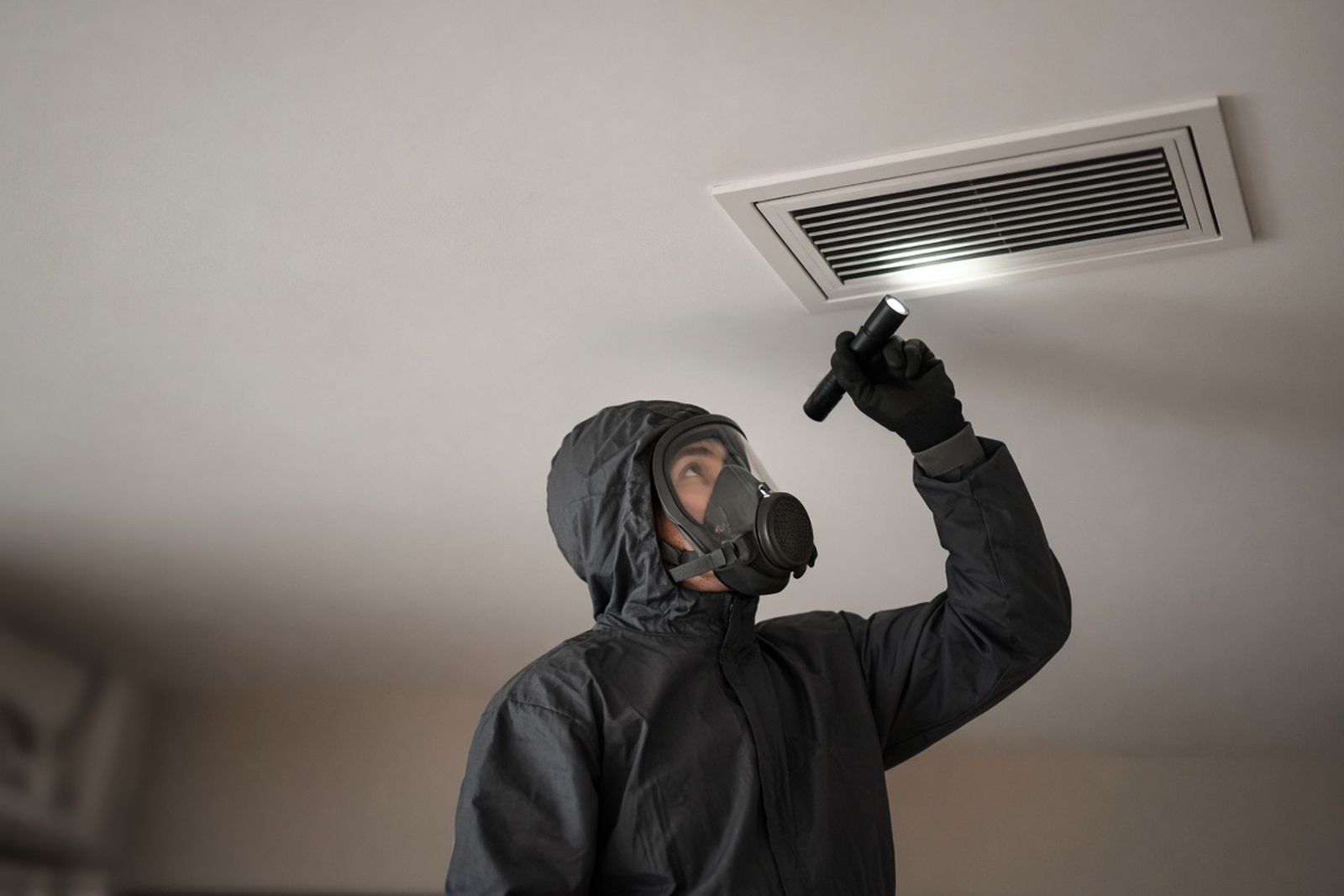
See how professionals trace death, pet, smoke, sewage, and musty odors to their source and remove it before any air treatment begins.
Insurance and payment
Which policies may respond, how to document a claim, and what to do if coverage is denied.
Planning tools
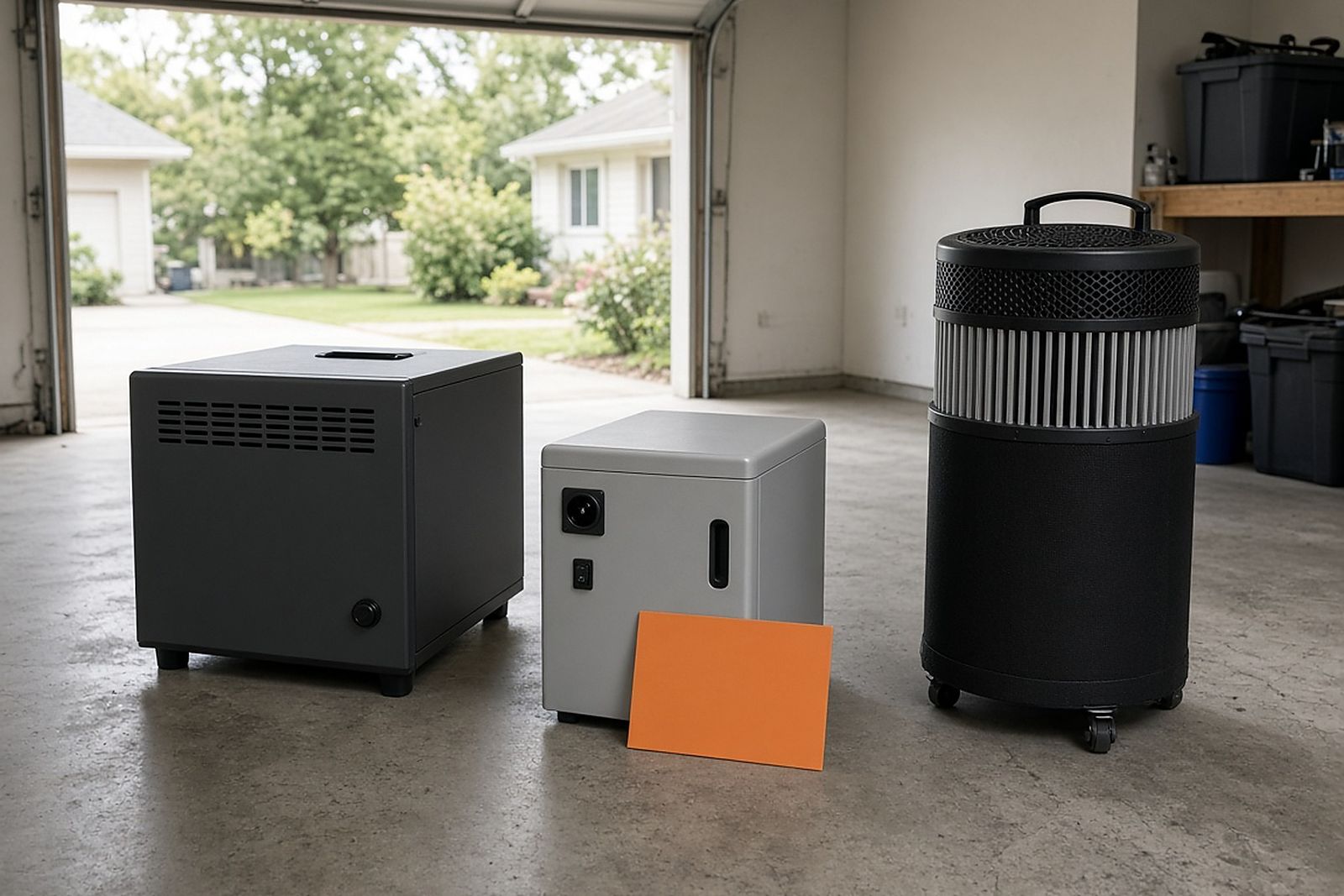
Estimate the job, check a provider, organize a claim, plan your first day, sort removed material, and decide if this odor job is safe to do yourself.
Community polls
See how other homeowners, renters, and landlords handled stubborn smells, what they tried first, and how they knew when an odor was really gone.
Knowledge quiz
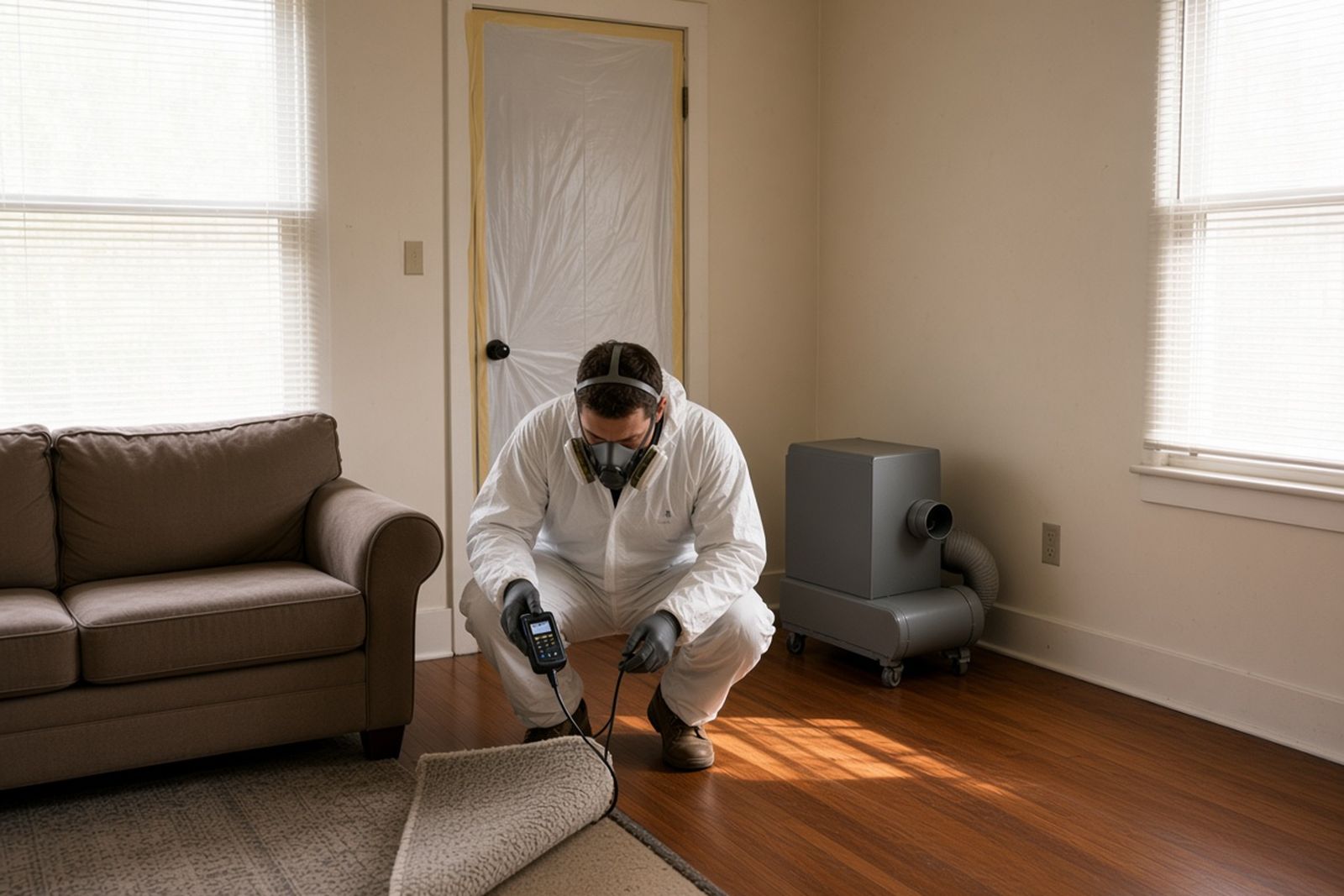
Test what you know about where odors hide, safe use of air machines, how ducts spread smells, and why covering a smell is not the same as removing it.
Articles and resources
Read useful articles on humidity and returning odors, rental turnovers after smoking, skunk and sewage cleanup, and when a smell is a health warning.