Odor Removal location coverage standards
Why a city name alone is not local expertise.
We have not published city pages for this specialty yet. Pages stay unpublished until they contain researched local context and useful decision support. Use the form to ask about your area.
Get an email reply about odor removal
Send a short message and get an instant email confirmation. A coordinator then replies by email. This form does not send emergency help; call 911 first if anyone is in danger.
Research before reach
A location is published only when its page includes meaningful local property, access, climate, jurisdiction, or documentation considerations.
Everything for one city on one page
Planning, safety, insurance, provider questions, sources, and documentation for each city sit together on a single guide.
No invented local offices
A city guide does not claim a storefront, parked crew, guaranteed arrival, job count, rating, or credential that has not been independently verified.
Use the national service guidance
The service and article libraries explain hazard controls, documentation, insurance questions, and provider verification without pretending those requirements are identical in every jurisdiction.
Not sure where to start?
Send a short message about your situation. You get an instant email confirmation, then a coordinator replies by email.
You get an instant email confirmation, then a coordinator replies by email.
If anyone is hurt or in danger, call 911 first.
Why location matters for odor removal
Where you live affects odor removal. Smells live in materials, and the materials, moisture, and rules around them change from place to place. In humid coastal and southern areas, odor chemicals trapped in drywall, subfloor, and carpet pad tend to come back each time the air turns muggy. So a job that seemed done in a dry month may show up again later. Homes built over crawlspaces can pull odor up from damp soil and insulation. Homes on a concrete slab often hide urine or death residue in the concrete under the flooring. Older buildings with plaster walls and plank subfloors hold smoke and pet odor in ways newer sheet materials do not. On the rules side, removing soaked building materials may require a contractor registration or tear-out permit in some places. Odor tied to a death or sewage brings waste rules that vary by state and county.
Several local offices may matter, depending on where an odor came from. If it followed a fire, the fire department or fire marshal may need to release the property before cleaning starts. If it followed a death, the medical examiner or coroner and the police decide when the home can be entered. The county health department can explain how materials soiled by body fluids must be handled. Sewage smells may involve the local health department or the utility in charge of the sewer line. Building or code offices answer permit questions when flooring or walls come out. In rental housing, a housing authority or landlord-tenant office can explain what makes a unit fit to live in. Start with the office tied to the event behind the smell. Ask which other agencies usually get involved next.
Odor work draws many companies that rent an ozone machine and little else. So it is worth checking a provider with care. Ask how it will find the source. Listen for tools such as moisture meters, UV lights for urine, and checks of heating and cooling filters and ducts. Ask what it will remove and what it will clean, and why. If ozone is planned, ask how long the space must be empty, how long it must air out after, and which household items could be damaged. If the job involves blood, body fluids, or sewage, ask which licensed hauler or disposal route it uses. Confirm any contractor registration your town requires for tear-out work. Ask for a sample final report that lists source removal apart from air treatment. Rules vary by state and county, so check with your local office instead of trusting a directory listing.
What to verify locally
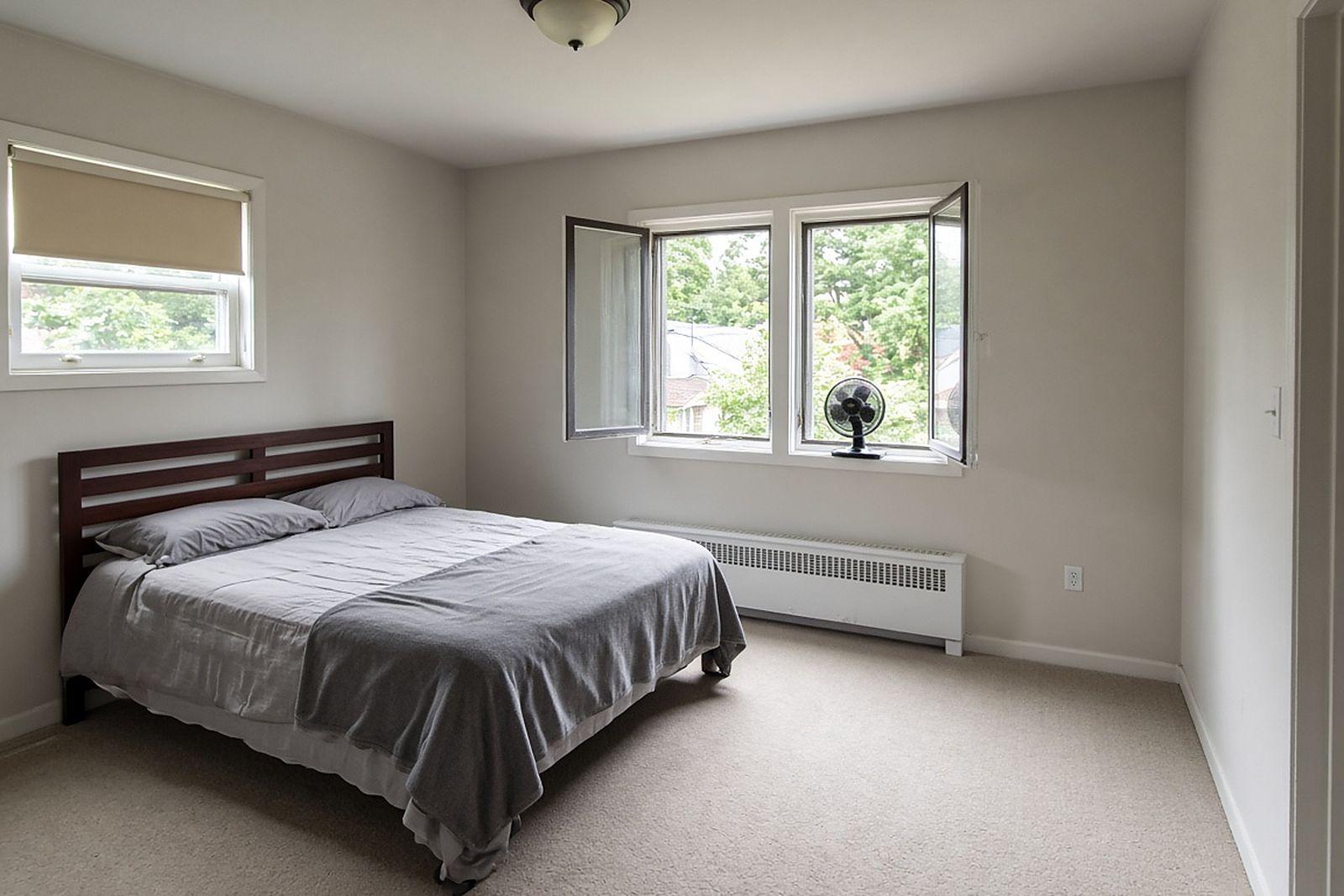
- How the provider plans to find the odor source. This includes moisture readings, UV checks for urine, and checks of air filters, return vents, and ducts they can reach.
- Whether removing flooring, drywall, or subfloor at your address needs a contractor registration or building permit from your local building office.
- Where materials soaked with body fluids or sewage will go, and whether a permitted hauler will carry them away from your property.
- Written ozone steps. They should cover keeping the space empty, moving plants and pets, and guarding fragile items. They should also say how long to air it out before anyone goes back in.
- Whether the fire marshal, police, or medical examiner has released the property. This matters when the odor followed a fire, a death, or another event they looked into.
- How the provider will recheck the odor after a stretch of humid weather, since local climate can bring back smells trapped in soft materials.
National figures for context
These are national or research figures, not data for any one city.
- $497 million
A CDC study estimated smoke-free policies in all US subsidized housing would save $497 million per year, including $134 million in renovation costs and $53 million in fire losses.
Read with care: Modeled estimate from 2014 that combines health care, renovation, and fire costs rather than measured spending.
Source: CDC (2014)US government-subsidized housing, about 7 million residents; Preventing Chronic Disease study
- 77%
A Realtor.com and HarrisX survey of 3,001 US adults found 77% of homeowners have pets and 66% of pet-owning buyers had passed on an otherwise perfect home over pet incompatibility.
Read with care: Online panel survey commissioned by a real estate portal; does not measure pet odor specifically.
Source: Realtor.com / HarrisX (2022)US adults surveyed August 9-12, 2022, margin of error 1.8 points
- 343,000
The US Fire Administration estimates 343,000 residential building fires in 2024, with cooking the leading cause at 46.7% of incidents.
Read with care: Counts reported fires, not the number of homes needing smoke odor treatment, and excludes unreported small fires.
Source: US Fire Administration (FEMA) (2024)US residential buildings, 2024 national estimate
These figures are public research and agency data, not this network's own job records. Keep each number with its population, year and limits; none of them predicts cost, timing or outcome at a specific property.
Local questions about odor removal
Why does humid weather in my area make odors come back?
Many odor chemicals stick to soft, absorbent materials like wood, drywall, and carpet backing. When the air gets more humid, moisture can release them into the air again. That is why a smell may vanish during a dry spell and come back in muggy weather. In humid areas, providers should dry materials fully and remove sources they cannot reach. They should also plan a follow-up check during damp weather, instead of calling the job done after one visit.
Does a crawlspace under my home change how odor removal is done?
Often it does. Crawlspaces can hold moisture, damaged insulation, animal remains, or fluids that seeped through the floor above. Air from below can rise into the rooms where you live. A provider should check the crawlspace, not only the rooms where you notice the smell. You may need to remove affected insulation or soil and fix airflow or moisture barriers before any air treatment inside will last.
Do I need a permit if the provider removes subfloor to reach urine or decomposition residue?
Sometimes. Local rules differ on whether removing and replacing subfloor, drywall, or flooring needs a permit. This is more likely when framing, pipes, or wiring are exposed. Rebuilding is more likely to need a permit than removal alone. Call your building or code office, describe the planned work, and ask. Also confirm whether the provider or a separate contractor will handle the rebuild.
Who handles sewage odor that seems to come from a public line?
If you think there is a city sewer problem, such as backups in several homes, contact your local sewer utility or public works department. They can check the main line and tell you where their part ends and yours begins. Odor from your own pipes, septic system, or a floor drain that has dried out is usually the owner's problem. So a plumber may be the right first call.
Can the local health department help with a persistent odor in my rental?
Maybe. Some health departments or code offices respond to complaints about sewage, pests, or conditions that make a unit unfit to live in. But they generally do not handle smoke or cooking smells alone. Rules about what landlords must do vary by state and city. Write down the smell, when it happens, and your written requests to the landlord. Then ask the local housing or health office which problems it can look into.
Are there local rules about using ozone generators in homes?
Ozone irritates the lungs, and federal agencies such as EPA warn against using ozone machines in spaces where people are. Local rules on professional ozone use are rare. But building managers, homeowner associations, and landlords may set their own limits. Ask the provider how it will keep the space empty, protect the units next door, and air it out before anyone goes back in. Check any building rules that apply to your address.
What if the odor followed a death and I am unsure who can release the home?
Contact the police department or medical examiner's office that responded. Ask whether the home has been released. They can tell you if any hold is still in place. Once it is released, a provider with experience in odors from a death can check the space. They can handle materials soiled by body fluids under local waste rules. You do not need to go into the affected area yourself to set up that work.
More on odor removal
Odor Removal services
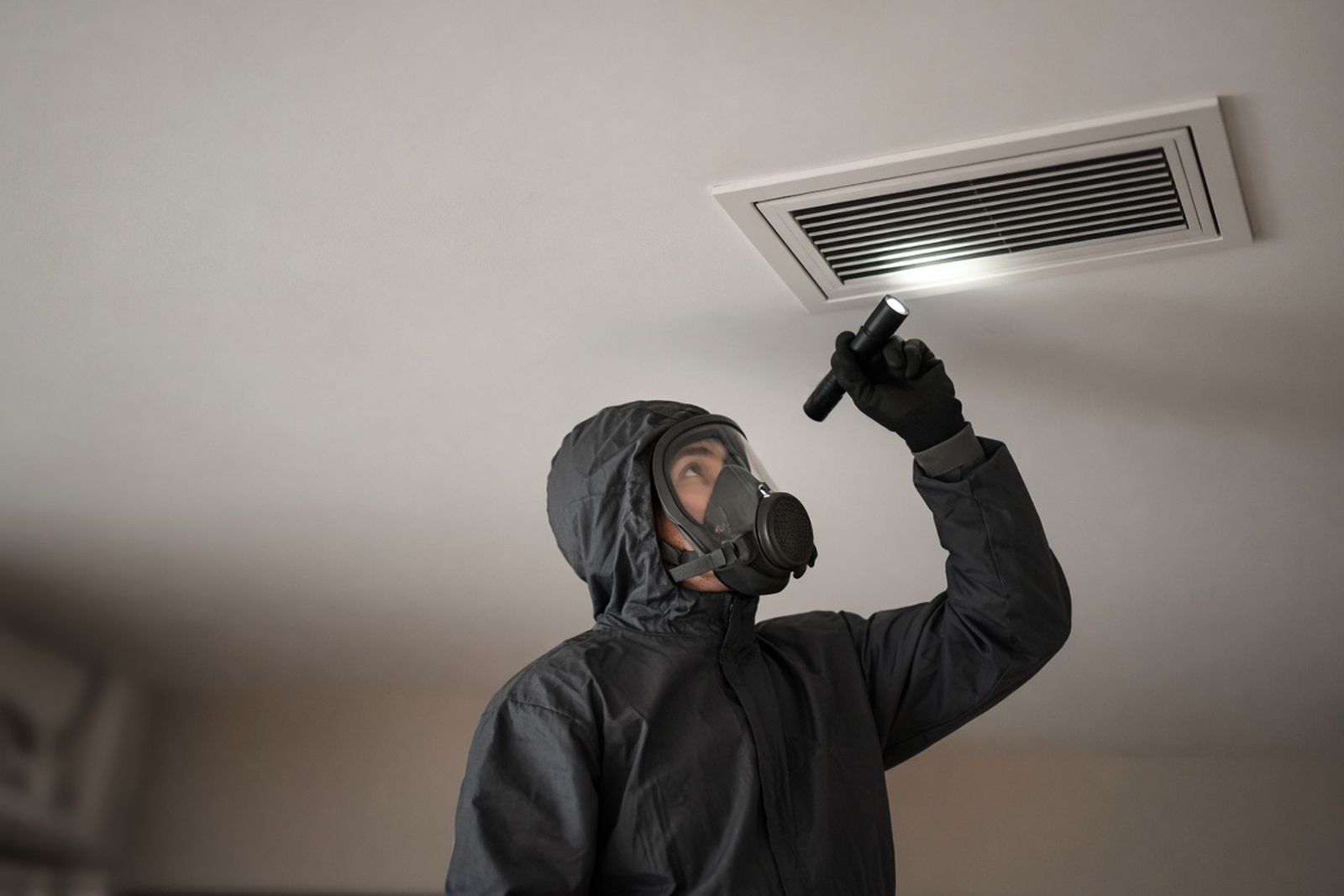
See how professionals trace death, pet, smoke, sewage, and musty odors to their source and remove it before any air treatment begins.
Costs explained
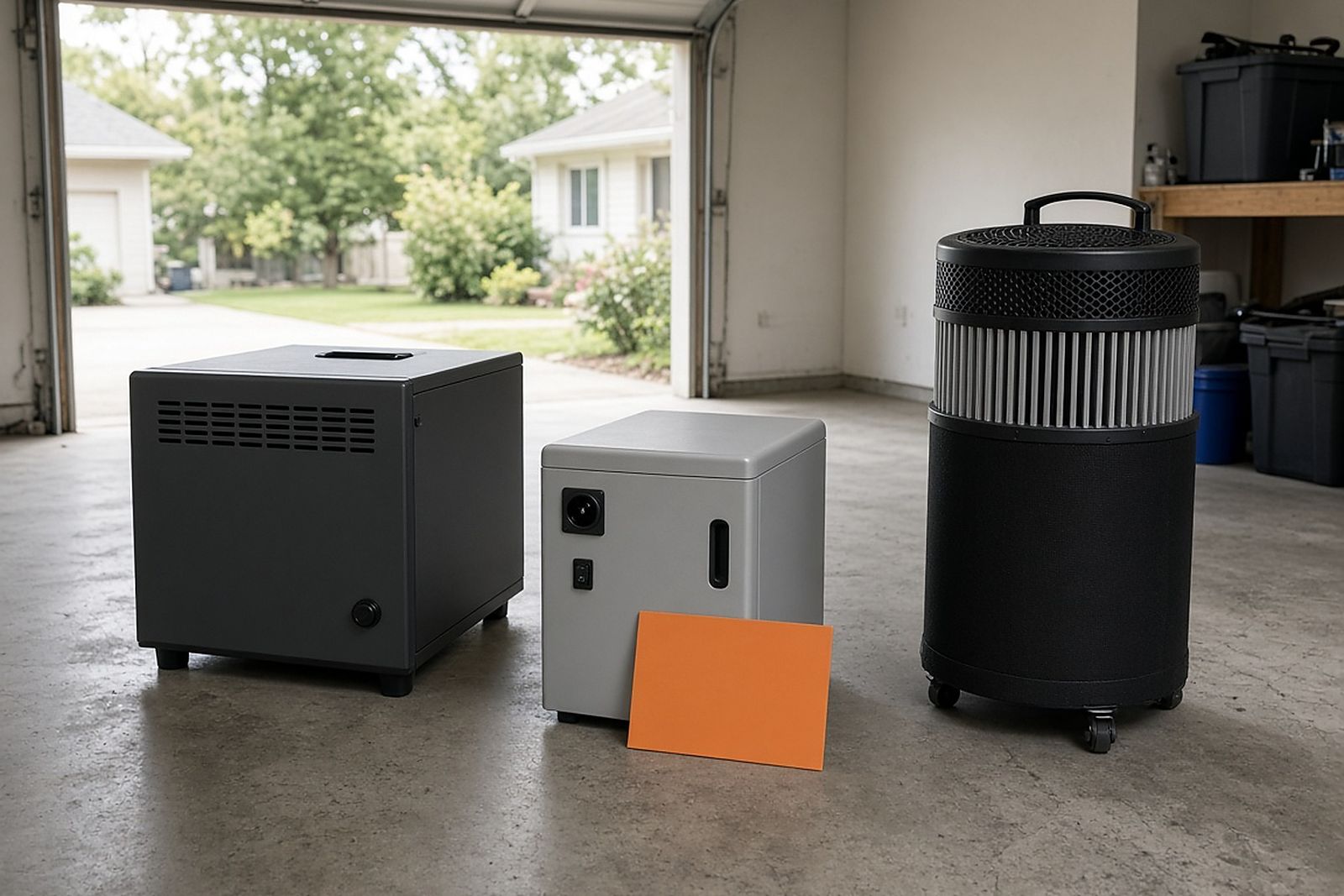
What drives the price, published cost ranges, and how to read a written quote line by line.
Insurance and payment
Which policies may respond, how to document a claim, and what to do if coverage is denied.
Planning tools
Estimate the job, check a provider, organize a claim, plan your first day, sort removed material, and decide if this odor job is safe to do yourself.
Community polls
See how other homeowners, renters, and landlords handled stubborn smells, what they tried first, and how they knew when an odor was really gone.
Knowledge quiz
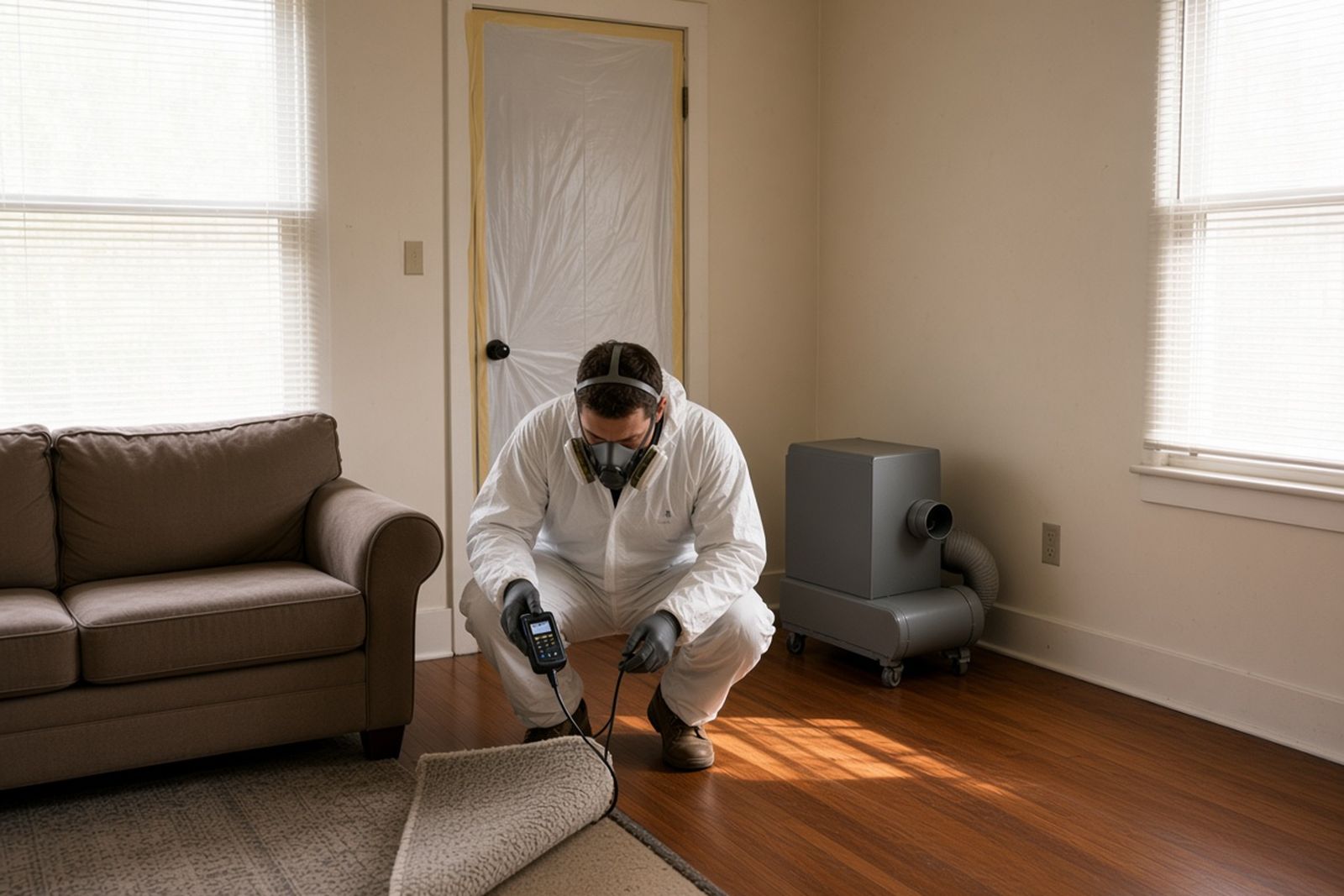
Test what you know about where odors hide, safe use of air machines, how ducts spread smells, and why covering a smell is not the same as removing it.
Articles and resources
Read useful articles on humidity and returning odors, rental turnovers after smoking, skunk and sewage cleanup, and when a smell is a health warning.