Odor Removal Services for Homes, Rentals and Businesses
Each service below starts from a different cause: a death, a fire, damp and mildew, or animals. Read the one that fits your situation and use it to ask clear questions before any work begins.
Send a short message and get an instant email confirmation. A coordinator then replies by email. This form does not send emergency help; call 911 first if anyone is in danger.
How these services differ
Smoke and urine don't smell the same, and they don't come out the same way either. Smoke leaves an oily film on every surface it touches. Urine sinks down into pad and wood. Mildew grows wherever water sits. Decay after a death spreads through fluids. Each cause needs its own removal plan before paying for air treatment makes sense.
Some homes have more than one cause. A fire can leave smoke film plus damp from the water used to put it out. A long-empty rental can hold both pet urine and mildew. Tell the company everything you know, even if it seems unrelated, so the work happens in the right order and you don't pay for the same step twice.
The services, one by one
Decomposition Odor Removal
Who it is for: Families, landlords and property managers after a person or animal died and was not found right away.
The crew first makes sure every soaked material is gone, which can mean cutting out flooring or subfloor. If blood and body fluids are still present, a biohazard cleanup has to happen before this step. Remaining surfaces are cleaned and sealed, filters are changed, and the air is treated with the home empty. The crew returns after some warm or damp days to confirm the smell has not come back.
What you should get: A written list of what was removed and what was treated, kept apart from machine time. It helps with insurance and with future buyers or tenants.
Smoke & Fire Odor Elimination
Who it is for: Anyone dealing with smoke smell after a house fire, a kitchen fire, a wildfire nearby, or years of indoor smoking.
Soot and smoke film are washed off walls, ceilings and belongings, or an item is removed if it can't be cleaned. Filters are replaced and reachable ducts are cleaned. Burned wood that must stay in place may be sealed. Air treatment comes last, with the space empty, after the crew checks which materials it might harm.
What you should get: A room-by-room plan that splits building work from belongings work, plus honest notes on any charred wood left in place.
Mold & Mildew Odor Treatment
Who it is for: People with a musty smell in a basement, bathroom, closet or crawlspace, often after a leak or flood.
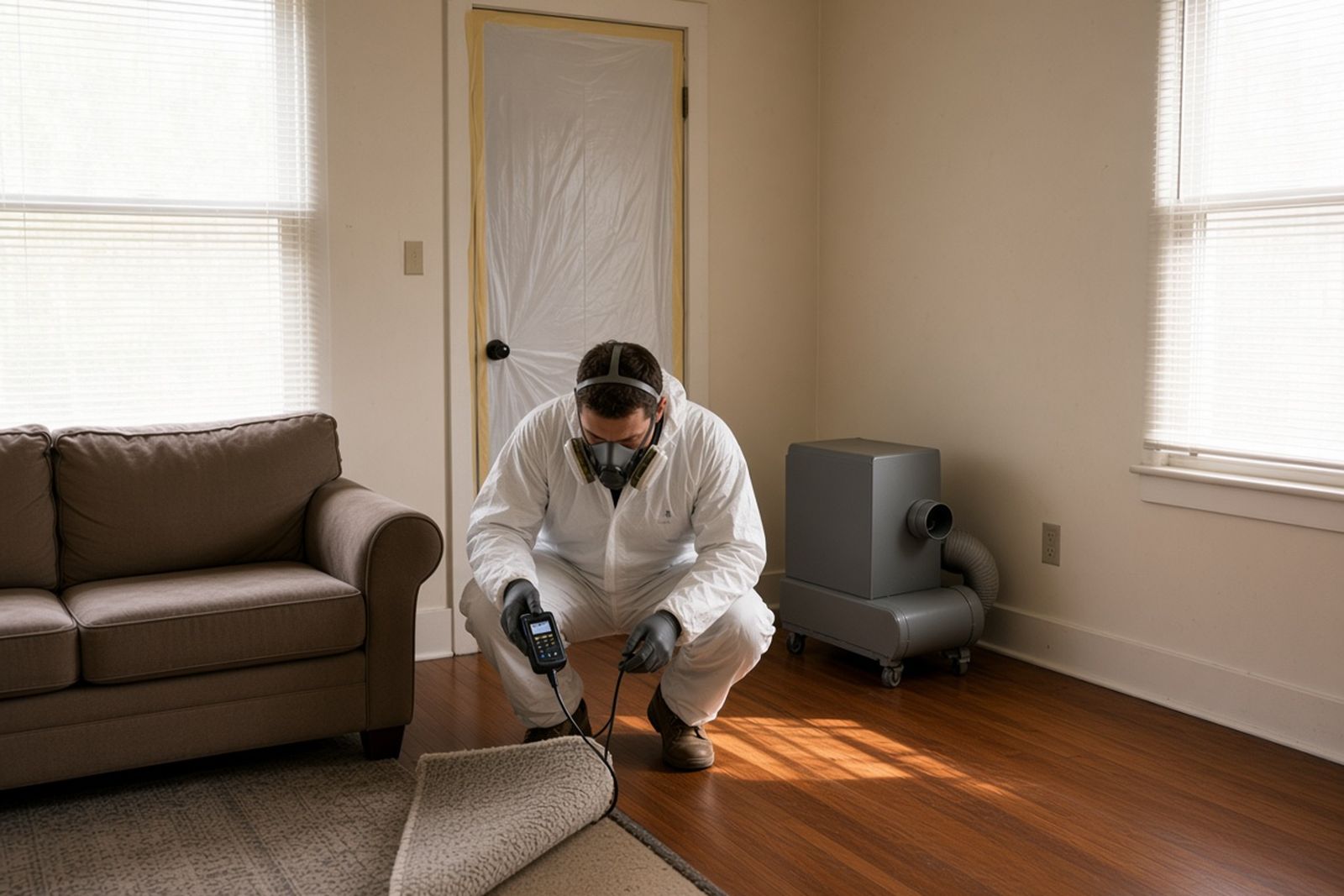
The crew looks for the water first, because a musty smell returns until the damp is fixed. A plumber or water-damage company may need to stop the leak. Moldy materials are cleaned or removed, the area is dried and checked with a meter, and dust is picked up with filtered vacuums. Air treatment follows only once things are truly dry.
What you should get: Moisture readings from before and after drying, with notes on what was removed. For large mold growth, ask whether a separate mold inspection makes sense.
Pet & Animal Odor Removal
Who it is for: Homeowners, buyers and landlords facing urine smell from pets, strays, or animals that nested in an attic or wall.
A special light and a moisture meter help find urine spots that are hard to see. Pad, and sometimes subfloor, is removed where urine soaked through. Enzyme cleaners break down what is left on wood and concrete, and baseboards are checked where urine crept up the wall. Sealing and air treatment follow.
What you should get: Photos or a floor sketch showing where urine was found and what came out. This helps if you need to recover costs through a security deposit.
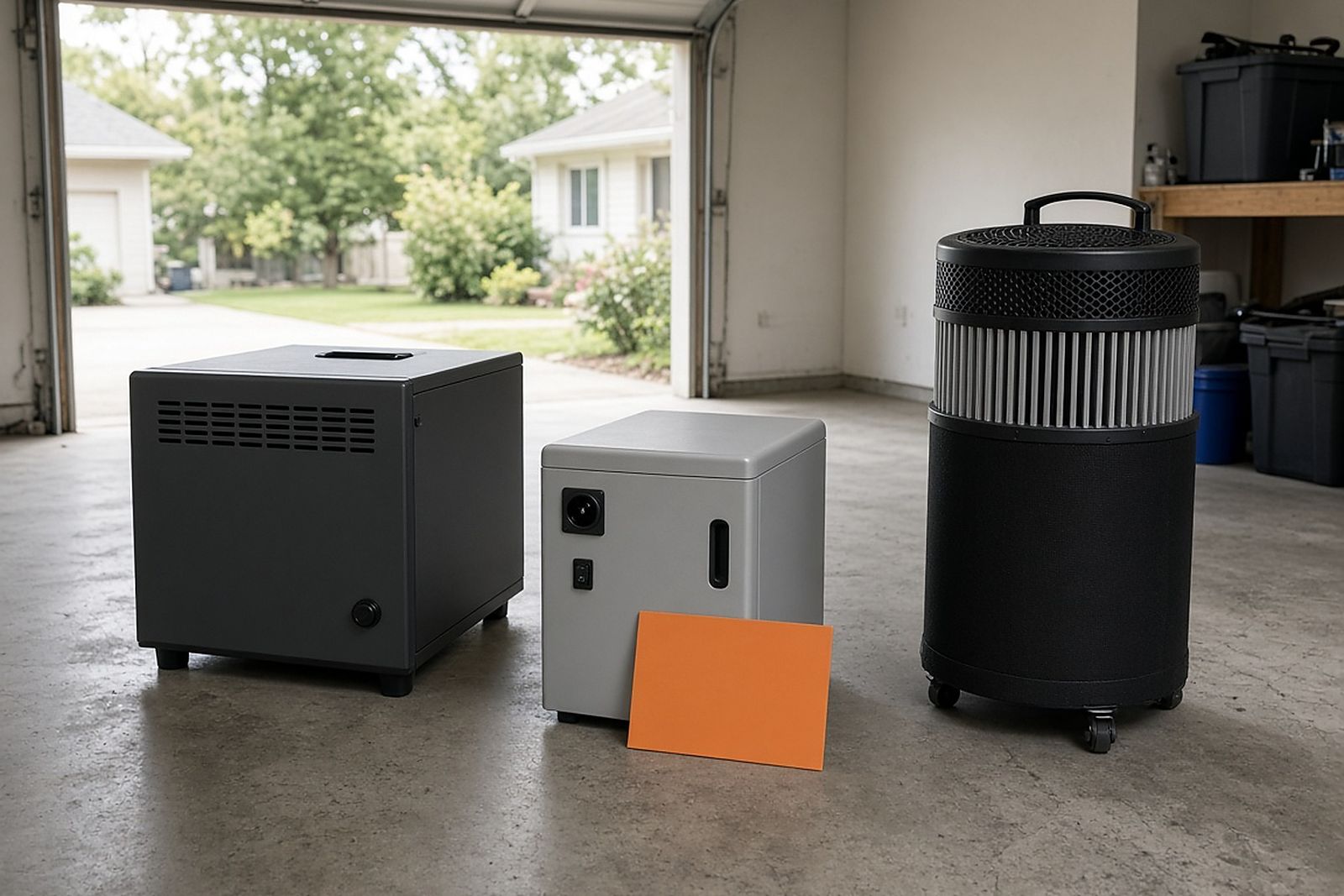
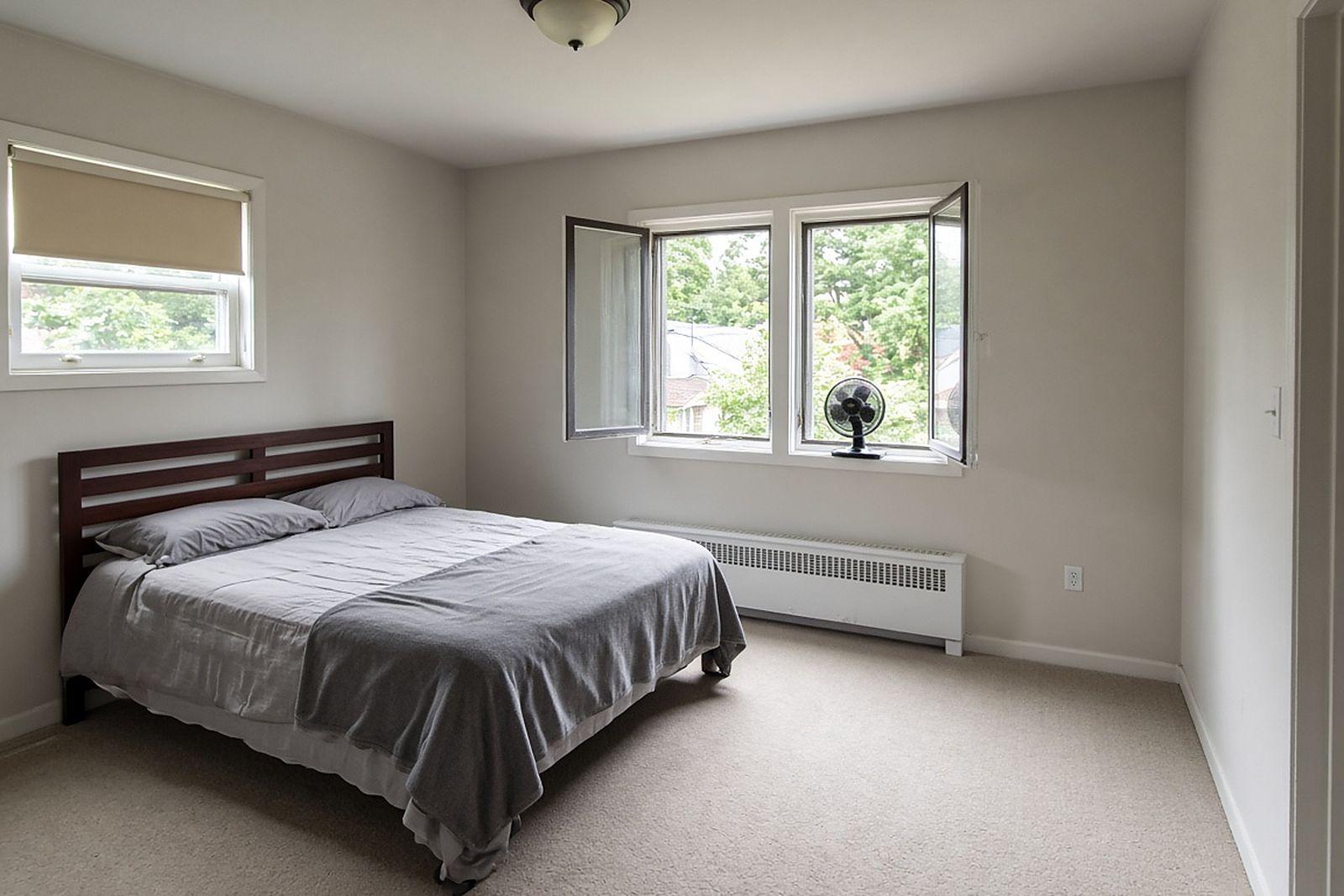
Illustrative photo, not a job record. Hydroxyl generator, ozone unit with a warning card and a carbon filter unit staged in a garage.Illustrative photo, not a job record. Bright bedroom with a made bed, open windows and a small fan running.
Odor Removal in numbers
2.21
Stronger liquid-sludge odor was associated with skin-rash reports (PR 2.21; 95% CI 1.13–4.32).
Read with care: Self-reported odor/symptoms; most symptom-group scores were similar across exposure groups.
Source: Wing et al. (2014)431 adults near liquid-sludge, cake-sludge or comparison areas.
0.05 ppm
FDA regulation 21 CFR 801.415 deems an ozone-generating device adulterated if it produces or accumulates ozone above 0.05 ppm in occupied enclosed spaces.
Read with care: The rule applies to devices marketed as medical devices; consumer ozone generators may fall outside its enforcement scope.
Source: FDA (2024)US federal regulation for medical devices in occupied enclosed spaces
5 ppm IDLH
NIOSH sets a ceiling exposure limit of 0.1 ppm for ozone and classifies 5 ppm as immediately dangerous to life or health (IDLH).
Read with care: IDLH is a worker escape threshold and does not describe long-term residential exposure risk.
Source: NIOSH (2019)US occupational guidance; ceiling not to be exceeded at any time
0.1 ppm
OSHA's permissible exposure limit for ozone is 0.1 ppm (0.2 mg/m3) as an 8-hour time-weighted average for workers.
Read with care: An occupational limit for healthy adult workers, not a residential or vulnerable-population safety threshold.
These figures are public research and agency data, not this network's own job records. Keep each number with its population, year and limits; none of them predicts cost, timing or outcome at a specific property.
What odor removal does not cover
Putting back flooring, drywall or cabinets after tear-out. A general contractor or flooring company handles the rebuild.
Cleanup of blood and body fluids after a death. A biohazard cleanup company does that before odor work starts.
Fixing the leak, roof or plumbing that caused the damp. A plumber or roofer handles the repair.
Formal mold testing and large mold removal. A mold inspector or mold removal company handles that.
Trapping live animals or closing up the holes they used. A wildlife control or pest company handles that.
After the odor work is done
For the first few weeks, notice how rooms smell on warm, damp days. A faint smell that fades as rooms air out is normal. A smell that grows stronger, or comes back in one spot, usually means a source was missed. Call the company back and ask them to look again rather than paying for another round of air treatment.
Keep the plan, photos and final bill with your home records. If you sell or rent the property later, they show what was found and fixed. If the smell followed the death of someone you knew, small reminders can feel hard for a while. You can call or text 988 to reach the Suicide and Crisis Lifeline, or ask a doctor about grief support.
Findings from published studies of people and properties in situations like this one. They describe what researchers observed in a specific group; they are not predictions for your case.
Several broader symptom-score differences had confidence intervals including no association.
Every count is a real visitor vote; nothing is seeded or padded. One vote per poll per device, and you can change your answer.
Your experience
When a persistent smell first appeared in your home, what did you try first?
No visitor votes yet
General
How long did you live with a recurring odor before seeking outside help?
No visitor votes yet
Safety
Which odor source would make you most likely to hire a professional rather than handle it yourself?
No visitor votes yet
Before you hire: odor removal questions
Can odor work be done while a home is listed for sale?▼
Yes, but plan around showings. Tear-out leaves rooms looking unfinished, and ozone days mean the home must stay empty and closed. Ask the company for a schedule you can share with your agent. Also ask your agent or a lawyer what your state requires you to tell buyers about past smells or a death in the home, since those rules vary.
Do I need to move my belongings out during treatment?▼
Some things, yes. Plants, pets, food, medicine and anything alive must leave before ozone or strong air treatment. Electronics, artwork and items with rubber parts may also need to go. Belongings that hold smell may be packed out for cleaning elsewhere. The company should hand you a written list of what to remove and what can stay put.
Why would the crew seal wood or concrete instead of replacing it?▼
Replacing framing or a concrete slab is costly and often not needed. Once the soaked top layer is cleaned or sanded, a sealing coat can lock in the faint trace that remains. That is a fair choice when the source is gone. It is not a fair choice when wood is still wet or clearly soaked through, so ask how they decided.
Can one company handle both the cleanup after a death and the odor work?▼
Some companies do both, and some split the work with a partner. Either way, the cleanup of blood and body fluids must be finished before odor treatment begins. If two companies are involved, ask who checks that nothing soaked was left behind. That handoff is where missed spots often happen, and it can lead to a smell that returns later.
Why does the crew want to see the attic and crawlspace?▼
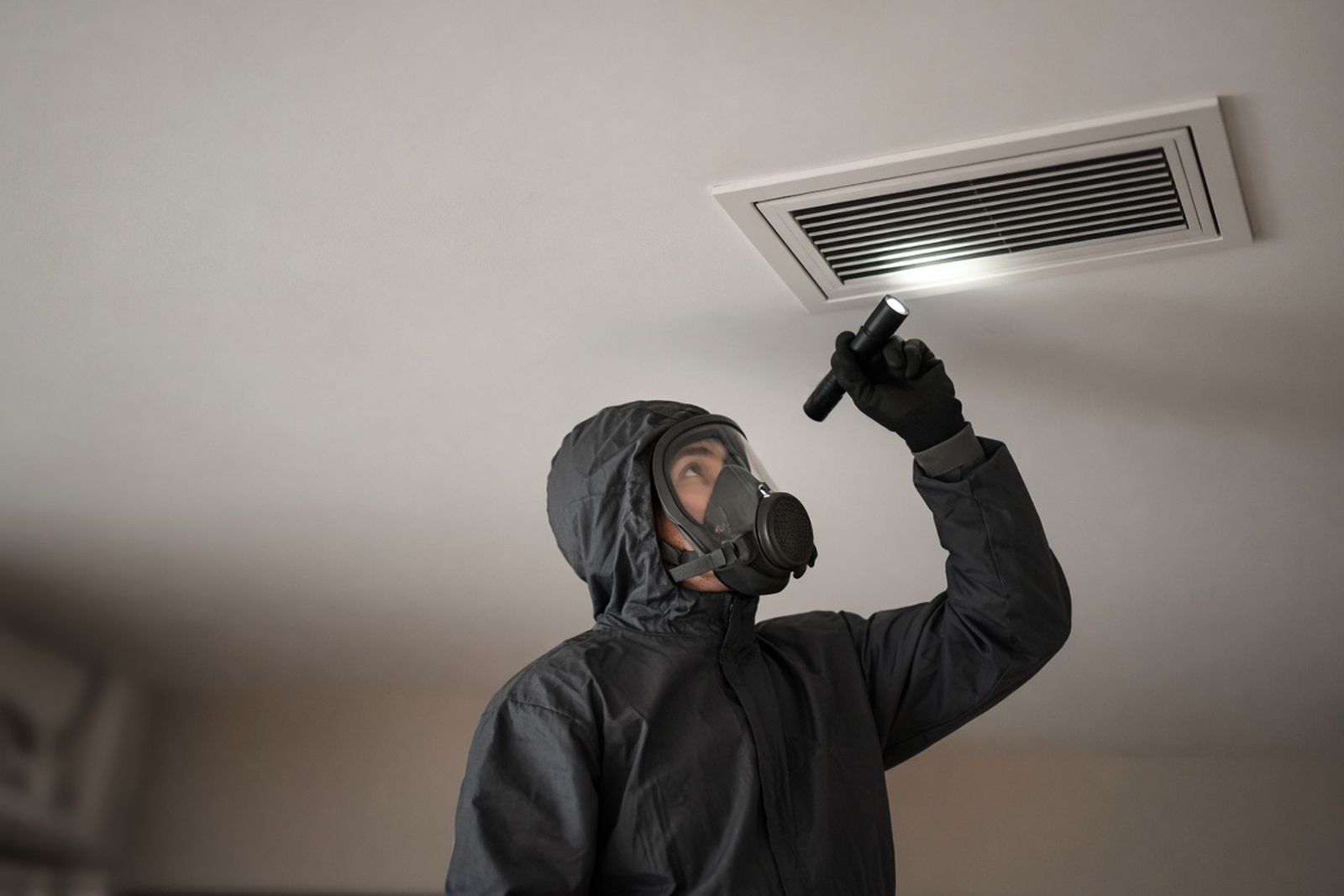
Smells often start in places people rarely visit. Animals nest and die in attics. Crawlspaces collect damp and mildew. Insulation soaks up smoke and odor like a sponge. Air from these spaces can drift into living areas through gaps and vents. A crew that skips them may treat every room and still leave the real source in place.
Will the work damage my floors or finishes?▼
Tear-out is planned damage, so ask exactly what will be cut and why before work starts. Strong cleaners can dull some finishes, and sealers can change how wood looks. A careful crew tests a small hidden area first and tells you about any risk. Get the plan for each surface in writing so there are no surprises when you walk back in.
What should a landlord do when a unit smells between tenants?▼
Book the work before you list the unit, since new tenants notice smells at once. Take photos and notes at move-out to show what the unit was like. Check your lease and your state's deposit rules before charging the old tenant. Have the source found and removed, not just treated, so the next tenant does not complain within the first month.