Odor Removal: Costs & Insurance
Decision-focused information about odor removal scope variables, estimate comparison, documentation, and policy questions. Coverage depends on the triggering peril, policy language, limits, exclusions, deductible, and carrier review.
This category explains what shapes the price of odor removal and how insurance may relate to it. Posts cover the cost drivers. These include how far the source has spread, how much material must be removed, and whether belongings need cleaning. They also include machine time for hydroxyl or ozone, cleaning the heating and cooling system, and any regulated waste handling. Other articles explain why policies more often cover odor after a sudden covered event, like a fire or water loss. They are less likely to cover long-term pet or smoking odor. Posts also show how to compare bids that seem far apart, and which receipts to keep.
Get an email reply about odor removal
Send a short message to the follow-up inbox. A coordinator can reply by email. This form does not send emergency help; call 911 first if anyone is in danger.
Knowing what drives cost helps you avoid paying for a short machine run that leaves the source in place. It also makes it easier to compare quotes that bundle different steps. For example, one may include sealing the subfloor while another quotes only ozone. Knowing the coverage basics lets you talk with an adjuster using the right terms. Just remember that only the insurer can decide what your policy pays. It also helps you plan a budget that includes a follow-up visit. A recheck after humid weather is often the step that confirms the money was well spent. Asking for that visit in writing up front avoids a surprise charge if the smell drifts back weeks later.
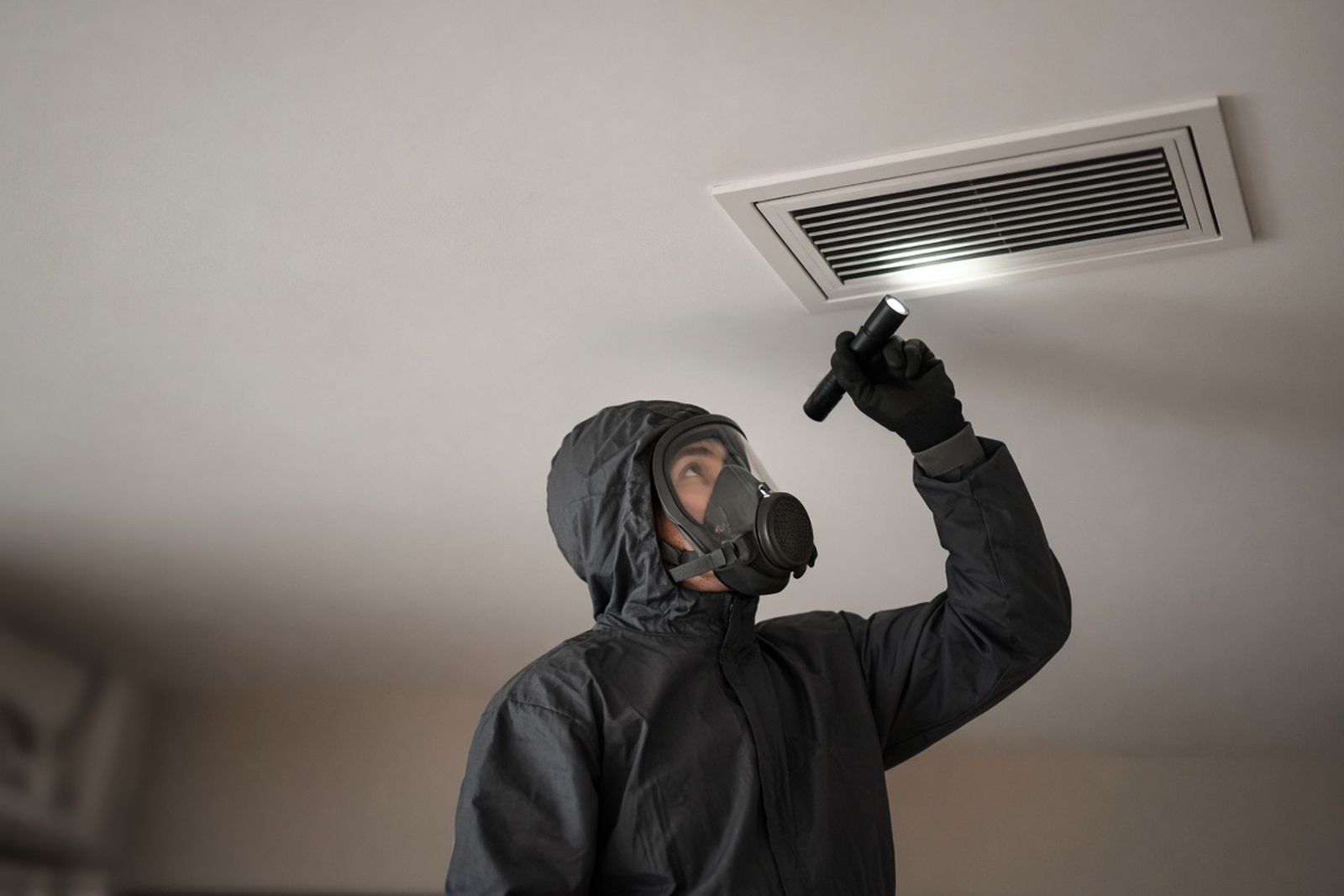
What Drives Odor Removal Cost?
Odor removal pricing follows the source, how deep it soaked in, and what must be torn out. See what moves a quote for pet, smoke, and decomposition smells.
Odor removal cost is driven mainly by the source of the smell, how far it traveled into porous materials, and whether those materials must be removed. A surface pet odor in one room is a very different job from smoke in a whole house or decomposition that reached the subfloor. Air treatment is usually a smaller share than source removal, sealing, and verification.
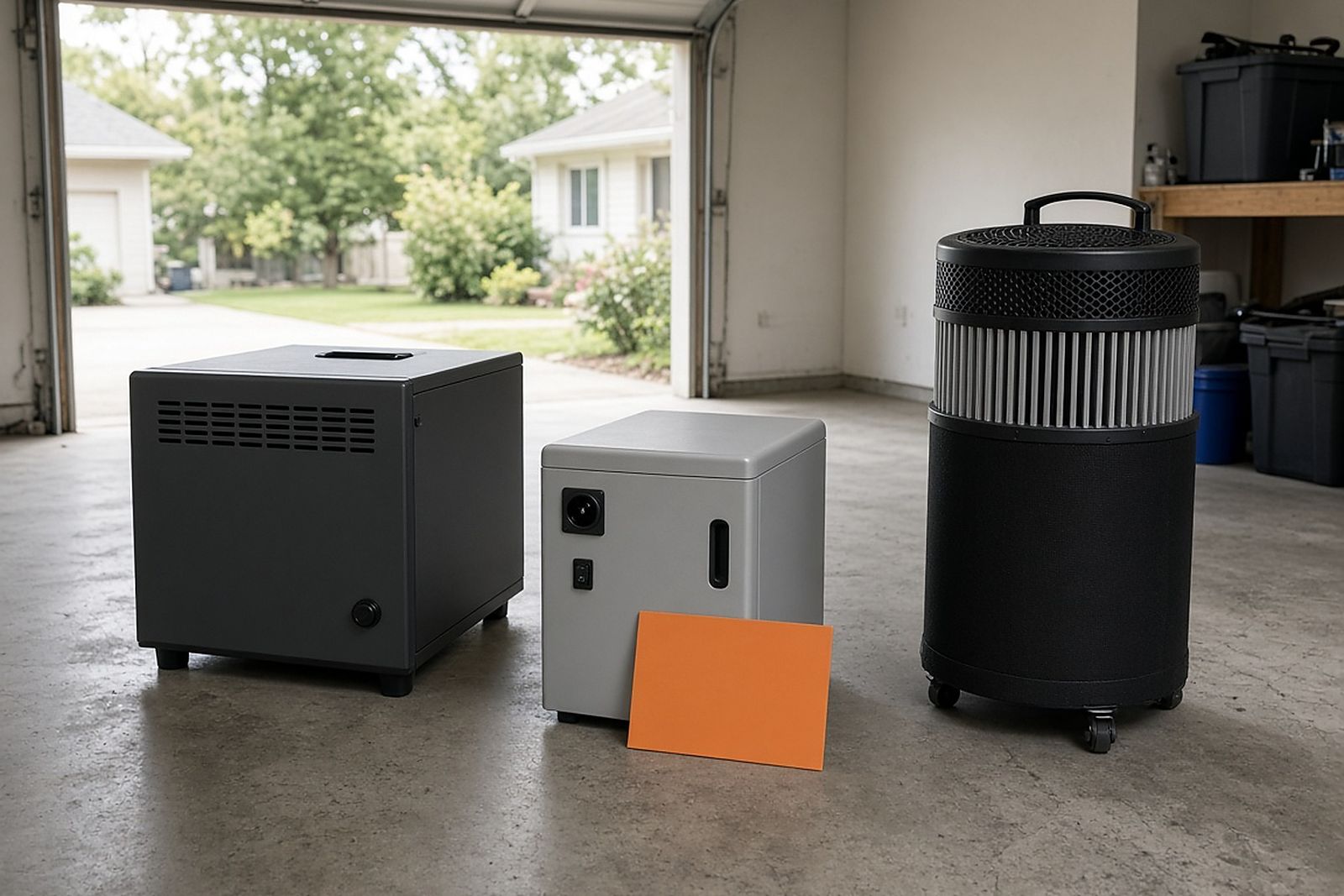
Does Homeowners Insurance Cover Odor Removal?
Whether insurance pays for odor removal hinges on what caused the smell. Learn how carriers view smoke, decomposition, pet, and sewage odors before you file.
Sometimes. Homeowners insurance tends to look at the event behind a smell, not the smell itself. Odor tied to a sudden covered loss, such as a house fire or a burst pipe, may be considered as part of that claim. Odor from gradual causes like pets, smoking, or long-term neglect is often excluded. Only your carrier can decide, so ask for its position in writing.
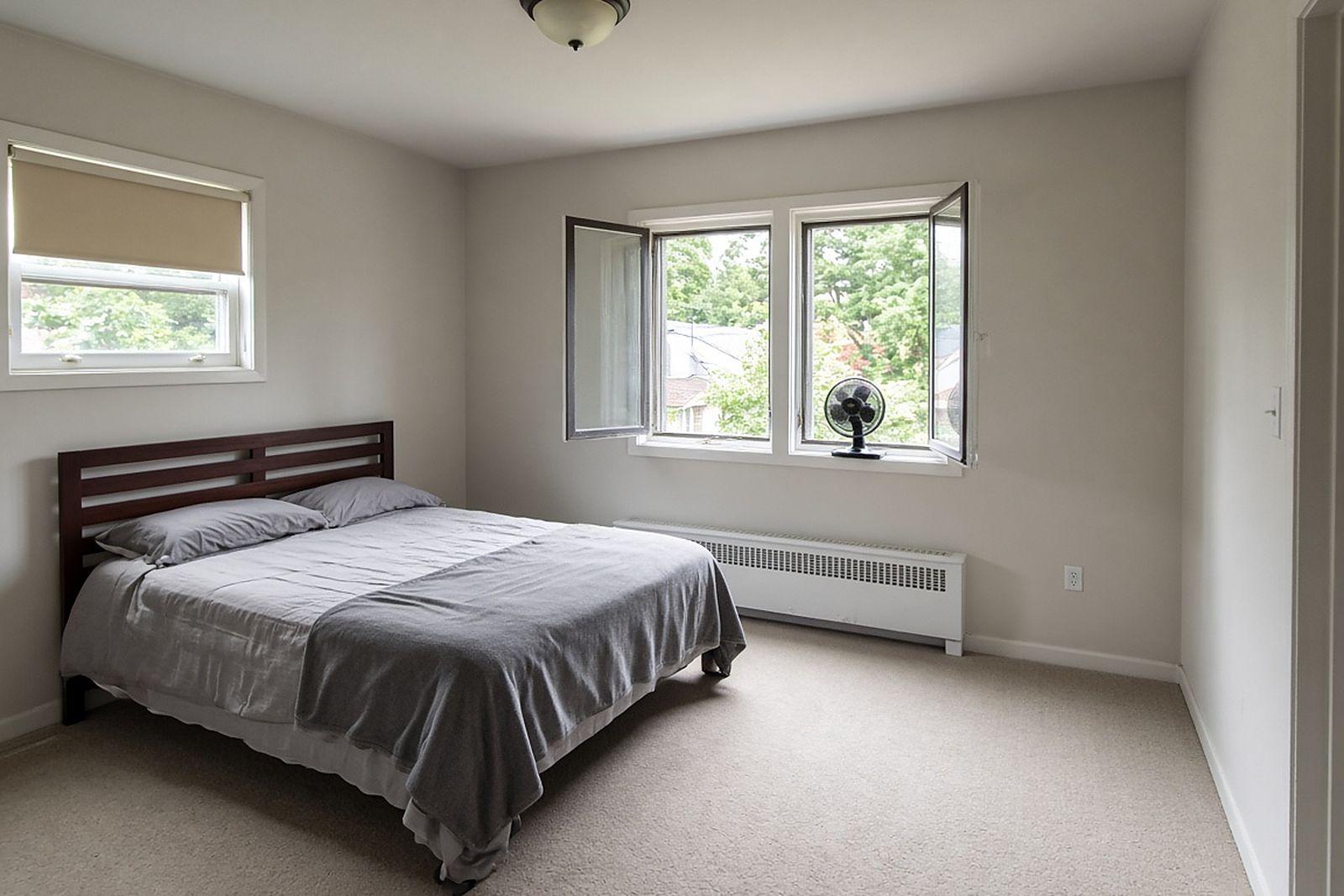
How to Compare Low and High Odor Removal Bids
One odor bid may mask a smell with a single treatment while another removes pad, seals subfloor, and verifies results. Learn to compare odor quotes fairly.
To compare odor removal bids, check whether each one removes the source or only treats the air, which materials will be cleaned, removed, or sealed, what treatment method is used, whether ducts and contents are included, how results will be verified, and what happens if the smell returns. A low bid that skips source removal often leads to a second job, making it the costlier choice.
Sourced figures on costs & insurance
- $497 million
A CDC study estimated smoke-free policies in all US subsidized housing would save $497 million per year, including $134 million in renovation costs and $53 million in fire losses.
Read with care: Modeled estimate from 2014 that combines health care, renovation, and fire costs rather than measured spending.
Source: CDC (2014)US government-subsidized housing, about 7 million residents; Preventing Chronic Disease study
- $5,000
A UCLA survey of California apartment operators found smoking-related costs for recently vacated units averaged nearly $5,000 per year, with a median of $2,000.
Read with care: Self-reported by a small subset of California landlords over a decade ago; costs are not inflation adjusted.
Source: UCLA Health / American Journal of Public Health (2011)343 California Apartment Association members, 22.4% response rate
- $27,477
HomeAdvisor lists fire and smoke remediation at a national average of $27,477, with smoke odor treatments such as ozone at $400 to $800 and thermal fogging at $200 to $600.
Read with care: The average includes structural fire repair and soot cleanup, far beyond odor-only jobs.
Source: HomeAdvisor (2026)US national estimate, typical range $3,083 to $52,031
These figures are public research and agency data, not this network's own job records. Keep each number with its population, year and limits; none of them predicts cost, timing or outcome at a specific property.
What research has found
Findings from published studies of people and properties in situations like this one. They describe what researchers observed in a specific group; they are not predictions for your case.
Surface nicotine remained high during the first month despite improved air quality.
The protocols did not permanently eliminate tobacco-smoke residue.
Costs & Insurance: common questions
Why do odor removal quotes for the same house vary so much?
One provider may plan to remove pad and seal the subfloor, while another offers only an ozone treatment. Quotes can also differ on cleaning the heating and cooling system, cleaning belongings, and follow-up visits. Ask each company to list what it will remove, clean, and treat. Also ask what happens if the smell comes back.
Will homeowners insurance cover odor after a fire or water leak?
Odor from a sudden, covered event, like a house fire or burst pipe, is more likely to be part of that claim. Long-term odor from pets, smoking, or slow leaks is often not covered. Report the event soon. Record the smell and damage with photos and notes. Then ask your adjuster how odor work fits into the claim.
Is the cheapest odor removal quote a reasonable choice?
Sometimes, if it covers the same work as higher bids. But a low price may mean the company skips removing the source. It may rely only on fragrance or a short ozone run, or leave out follow-up visits. Compare what each quote really covers. Ask what happens if the odor comes back before you decide.
Can I negotiate the price of odor removal?
You can ask, especially about what the job includes. Instead of asking for a lower total, talk about which steps could be done in phases. Ask which ones you could handle yourself, such as moving belongings or setting up the rebuild. Ask whether the provider would lower its fee if your schedule is flexible. Be careful about cutting source work to save money. A smell that comes back often costs more in the end.
What documents should I keep for an odor-related insurance claim?
Keep photos of the source and affected areas and a timeline of the event. Keep the provider's itemized scope, bills, and receipts for emergency steps. Keep any hotel or pet boarding costs. Keep notes from every talk with the insurer, with names and dates. Store copies in one folder. Clear records make it easier to answer the adjuster's questions and follow up on single items.
Is a warranty on odor work worth paying extra for?
It can be, if the terms are clear. Look at how long the coverage lasts and what counts as a return of the same odor. Check what conditions you must meet, and whether follow-up visits are free or discounted. A warranty is only as good as the source work behind it. A clear plan that removes the source is usually worth more than a broad promise attached to a machine-only treatment.
Can a landlord charge a tenant for odor removal?
In many places, a landlord may use deposit money for damage beyond normal wear. Odor from smoking or pets is sometimes treated that way, depending on the lease and local rules. Records are key. That means move-in and move-out condition records, photos, a written scope of work, and bills. Deposit deadlines and rules for listing charges vary. Landlords and tenants should check local rules before acting.
Related community polls
Every count is a real visitor vote; nothing is seeded or padded. One vote per poll per device, and you can change your answer.
When a persistent smell first appeared in your home, what did you try first?
How long did you live with a recurring odor before seeking outside help?
More on odor removal
Odor Removal services
See how professionals trace death, pet, smoke, sewage, and musty odors to their source and remove it before any air treatment begins.
Costs explained
What drives the price, published cost ranges, and how to read a written quote line by line.
Insurance and payment
Which policies may respond, how to document a claim, and what to do if coverage is denied.
Planning tools
Estimate the job, check a provider, organize a claim, plan your first day, sort removed material, and decide if this odor job is safe to do yourself.
Community polls
See how other homeowners, renters, and landlords handled stubborn smells, what they tried first, and how they knew when an odor was really gone.
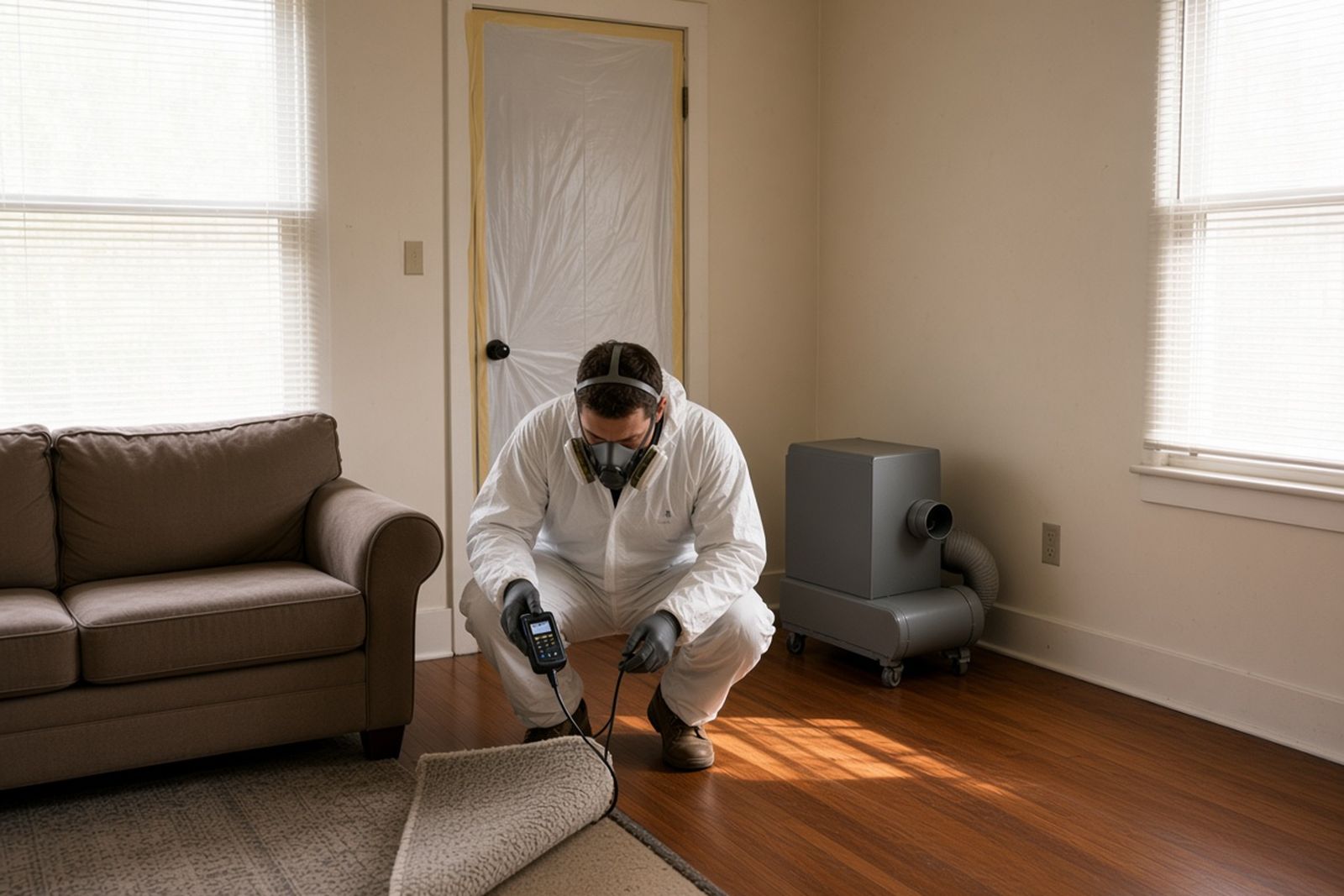
Knowledge quiz
Test what you know about where odors hide, safe use of air machines, how ducts spread smells, and why covering a smell is not the same as removing it.