Short answer
Odor removal can take anywhere from a single visit to several weeks. A contained source on hard surfaces may clear in a day. Saturated flooring, smoke residue throughout a home, or a source hidden inside a wall adds demolition, drying, sealing, and repeat treatments. Verification under warm or humid conditions often adds a final waiting period before you can be confident the smell is gone.
Why timelines vary so much
The clock on an odor job is set by the source, not the smell. Two homes can smell equally bad on the day you call, yet one needs a single afternoon while the other needs weeks. The difference lies in what produced the odor, how far it traveled into the building, and which materials absorbed it.
A trash can left in a closed garage is a small, obvious source that sits on concrete. Years of indoor smoking coats every wall, ceiling, cabinet interior, and duct run in a house. A pet that used one corner of a bedroom for a decade may have soaked the carpet pad, subfloor, and bottom of the drywall.
A professional can give you a realistic timeline only after an inspection. Be cautious of anyone who promises a fixed number of hours over the phone without knowing what caused the odor.
Season plays a part as well. A job started in dry winter weather may seem finished quickly, only to need a return visit when summer humidity draws out residue that never showed itself during the cold months. Some technicians will suggest timing the final check with that in mind.
Inspection: usually hours, not days
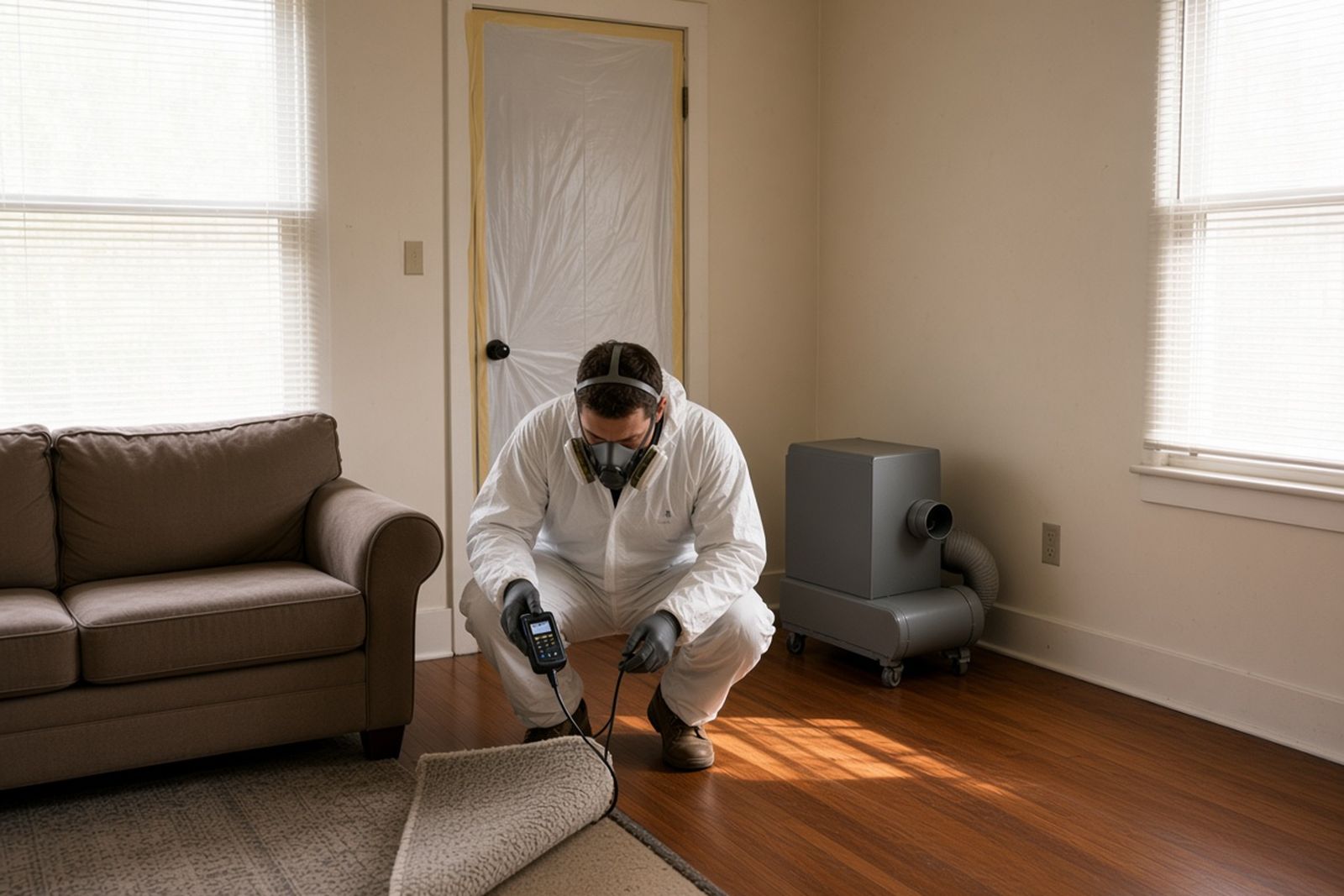
Most inspections are measured in hours rather than days. The technician needs time to talk with you about the history of the smell, walk every affected area, and use tools such as UV lights, moisture meters, and a camera to trace the source.
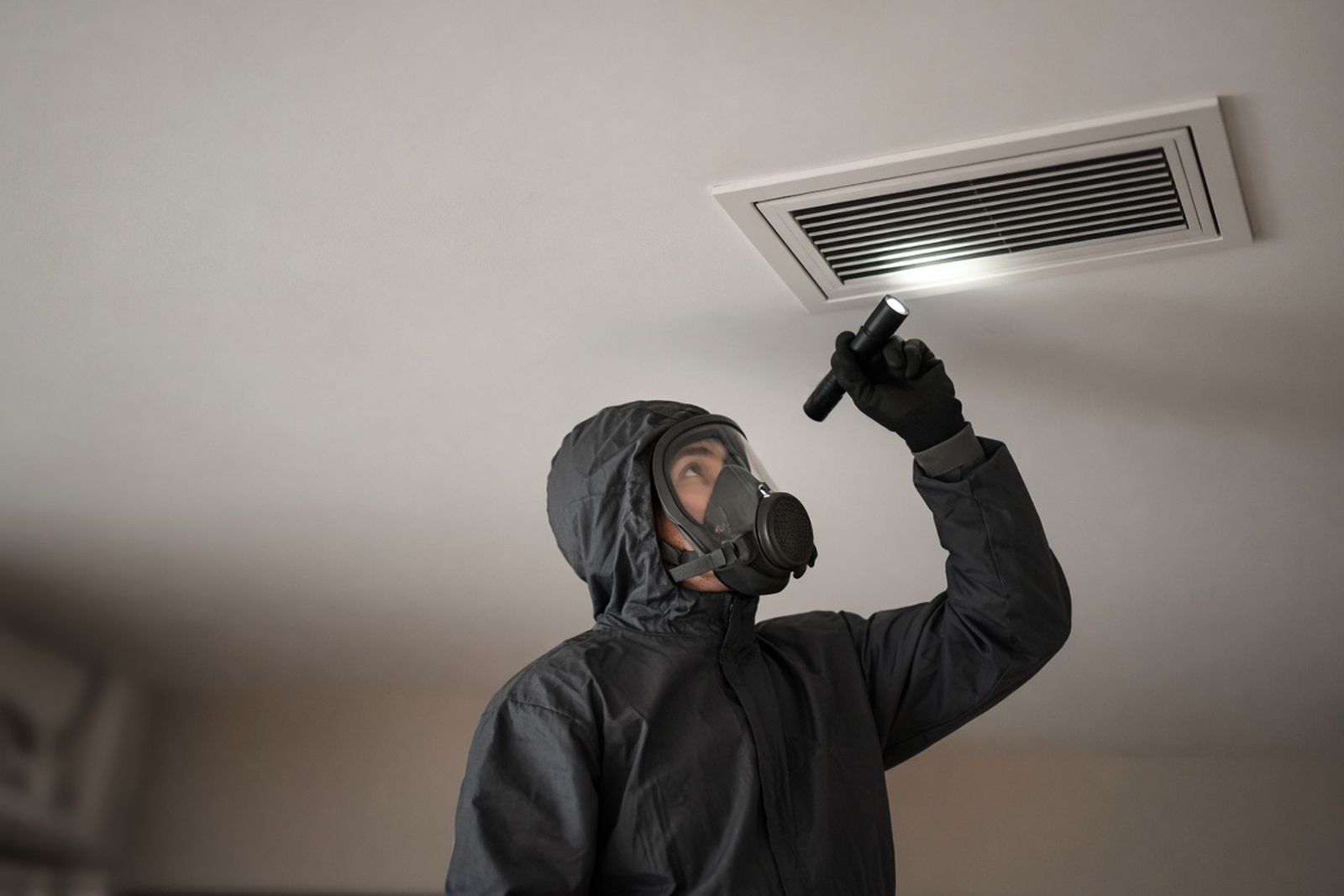
Some sources hide well. A dead animal inside a wall cavity, a failed wax ring under a toilet, or a leaking drain line in a crawlspace may take more searching, and in rare cases small inspection openings are needed to confirm what is behind a finished surface.
Time spent here is rarely wasted. A thorough inspection is what keeps the rest of the job from dragging on through repeated treatments that miss the real cause.
Expect the inspection to end with a conversation rather than a price shouted from the driveway. The technician should walk you through what was found, which areas are confirmed, which are suspected, and how those unknowns could stretch or shorten the schedule.
Source removal, the most variable step
Source removal is usually the most variable part of the schedule. Bagging and removing a contained item can take minutes. Pulling carpet and pad from several rooms, cutting out stained drywall, or removing a section of subfloor can fill a full day or more.
Access matters. Work in an empty home moves faster than work around furniture, belongings, and residents. Crawlspaces, attics, and tight closets slow every task, and some jobs require moving contents to another room or into storage first.
If the source is a biological one, such as decomposition or large amounts of animal waste, technicians may need to follow bloodborne pathogen precautions and package some materials as regulated waste. That adds careful steps but makes the job safer for everyone.
Hidden sources can also require other trades. If a plumbing leak, a roof problem, or a failed vent is feeding the odor, the repair must happen before cleaning can finish. Coordinating a plumber or roofer can add days that sit outside the odor company's control.
Why do drying and dwell times slow things down?
Chemistry needs time. Enzyme cleaners must stay moist and in contact with organic residue long enough to digest it. Oxidizers and disinfectants have label contact times that cannot be rushed. In heavily affected areas, technicians may apply a product, wait, extract, and repeat.
Drying follows cleaning. Subfloors, framing, and concrete that were wet with residue or cleaning solution must dry fully before they are sealed or covered. Sealing damp material can trap moisture and create a new odor problem. Dehumidifiers and air movers help, but some materials simply need time.
Primers and sealers have their own cure times. The label will state how long the coating needs before a second coat or before new flooring goes down. A careful crew respects those times even when you are eager to move back in.
Why does smoke odor take longer than most other smells?
Smoke is not a single spot. It travels everywhere air travels, depositing residue on walls, ceilings, window blinds, cabinet interiors, closet contents, attic insulation, and the inside of ductwork. Every surface becomes a small source.
Thirdhand residue and what cleaning achieves
Thirdhand smoke residue is also stubborn. Simply waiting, or doing a light cleaning, often does not solve it.
Cleaning does make a measurable difference when it is thorough. Matt and colleagues reported in 2021 that dust nicotine loading fell about 60% immediately after cleaning in multiunit housing. That kind of reduction helps, but it also shows why many smoke jobs combine washing, sealing, duct cleaning, and air treatment across several days.
Fire-related smoke adds soot, which must be removed from surfaces before any sealer or deodorizer can work properly.
Air treatment and filtration run times
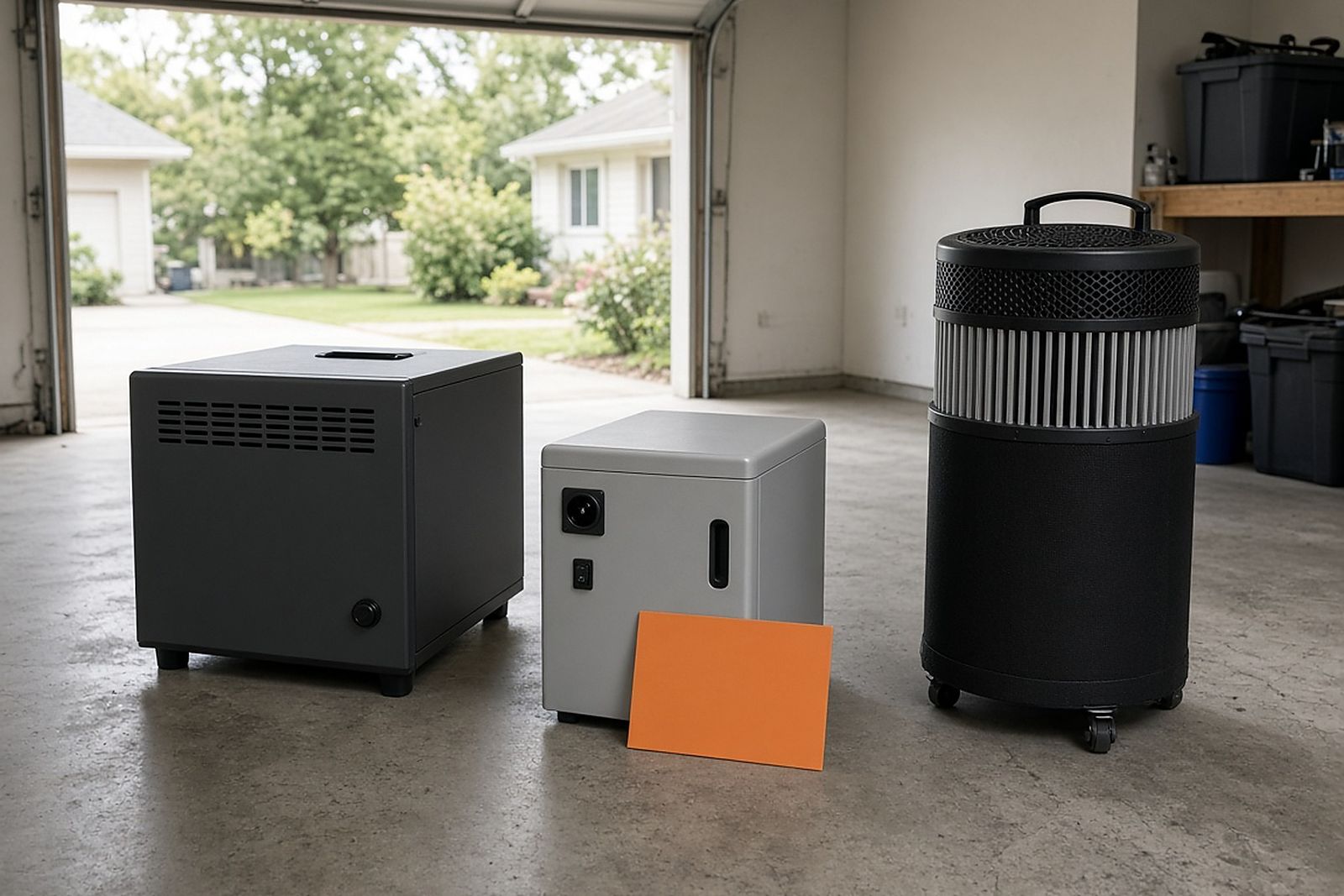
Air treatment comes after cleaning and addresses what remains in the air and on exposed surfaces. Carbon filtration may run throughout the job and for a period afterward. Oxidizing treatments such as hydroxyl generators, ozone, or thermal fogging each have their own run and clearance times.
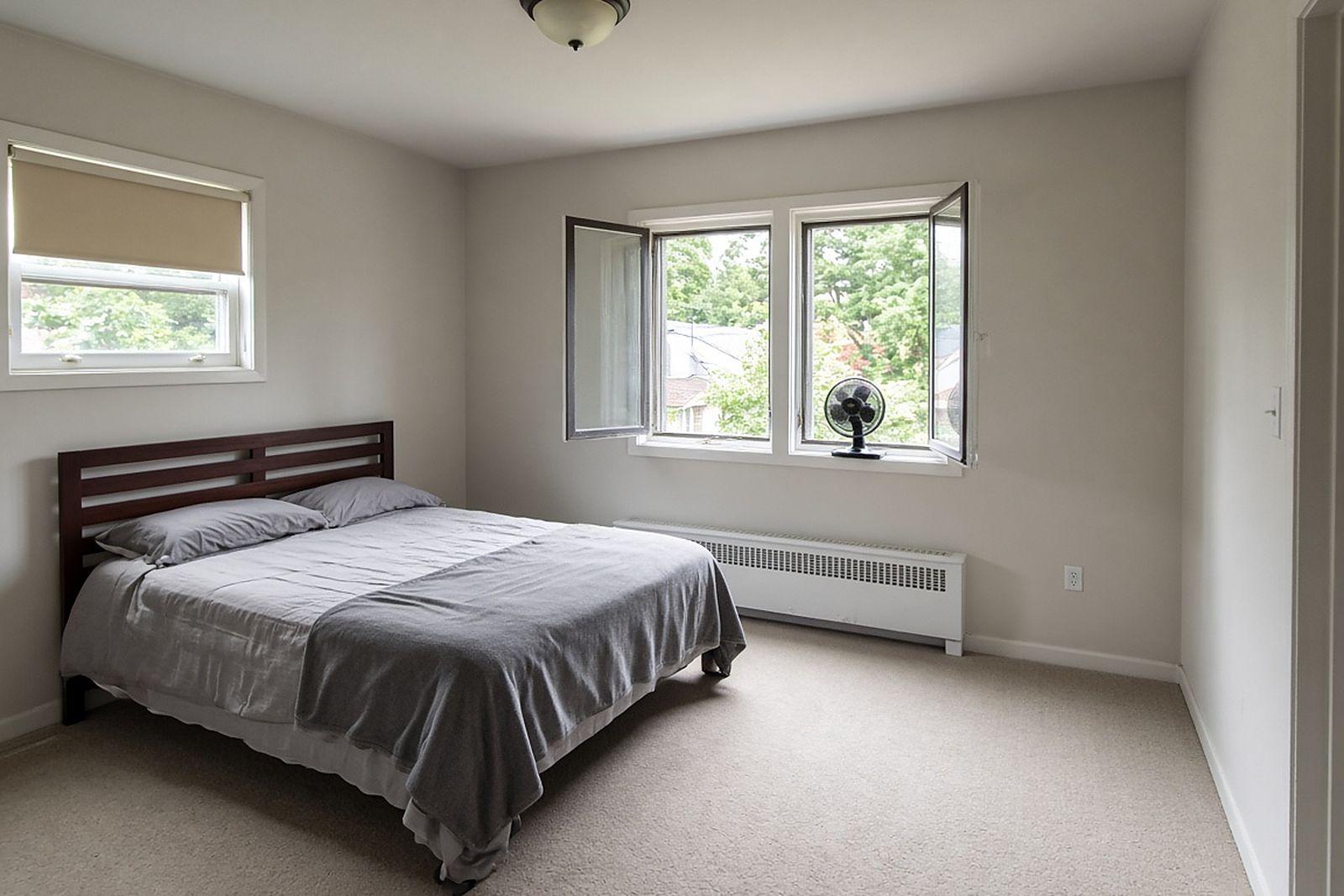
Some treatments require the space to be empty of people, pets, and plants, followed by ventilation before anyone returns. The technician should tell you exactly how long you must stay out and how the space will be aired before re-entry.
If a provider suggests running air treatment for days on end without addressing the source first, ask why. Extended runs are sometimes a sign that the underlying cause has not been found.
Air treatments are also limited by how much time you can stay away. A family living in the home may need the work split into sections so that treated rooms can be cleared and reoccupied while others are still in progress, which spreads the same work across more calendar days.
A sample timeline (illustrative)
The following is a composite for illustration only. A landlord takes back a two-bedroom apartment after a long-term tenant who smoked indoors and kept a cat that often missed the litter box in one closet.
Day one is inspection and removal. The technician confirms smoke residue on every wall and ceiling and heavy urine contamination in the closet carpet and pad. Carpet in the closet and adjoining bedroom is removed, the subfloor is treated, and drying equipment is set up.
Days two and three focus on washing walls, ceilings, cabinets, and fixtures, cleaning the ducts and replacing filters, and running carbon filtration. On day four, the dried subfloor and the washed walls are sealed with an odor-blocking primer.
The apartment then sits closed with the heat on for a couple of days before a final walk-through. Painting and new carpet follow only after it passes. Here the landlord treats the timeline as several phases rather than one date, and books the flooring and paint contractors only after the odor work is signed off.
Why is there a waiting period at the end?
Verification is the step people are most tempted to skip. A room that smells fine right after treatment may smell different after it has been closed up for a day or once humid weather arrives. Residual odor sources reveal themselves under warmth and moisture.
A good provider will recommend a check under the conditions that made the problem worst. That might mean running the heat or air conditioning, keeping windows shut, or waiting for a damp day. If the odor returns, targeted follow-up is faster than restarting the entire job.
Scheduling around the final check
Build that window into your plans. If you are selling a home or turning over a rental, schedule the final inspection before photos, showings, or a move-in date.
A short follow-up visit usually takes far less time than the original work, because the technician already knows the building and can go straight to the area in question. Ask up front whether that visit is included and how soon it can be scheduled.
Keeping the timeline on track
You can shorten the schedule with a few practical steps. Clear access to affected areas before the crew arrives. Tell the technician everything you know about the history of the smell. Decide in advance which belongings you want cleaned and which can be discarded.
Ask for a written schedule that lists each phase, the expected duration, and any times you must stay out of the home. Confirm how you will be notified if the crew finds something unexpected that changes the plan.
- Clear furniture and belongings from the work area where you can
- Share when the odor started and what has already been tried
- Keep pets and children out of treated areas until cleared
- Plan flooring and paint after, not during, the odor work
- Leave time for a final check under warm or humid conditions