Short answer
A defensible odor scope ties every line item to an observed source, states which materials will be removed, cleaned, sealed, or left alone and why, sets the order of work, and defines how success will be checked. This hypothetical estate townhouse example walks through inspection, source mapping, scope writing, verification, and the records that let heirs, buyers, and insurers understand what was done.
What makes an odor scope defensible?
A defensible scope is one that a skeptical reader can follow from start to finish and agree with. Every task in it points back to something the provider saw, measured, or smelled in a specific place. Nothing is there because it is on a standard package list, and nothing important is missing because it was inconvenient.
That matters because odor jobs are easy to dispute. Smell is subjective, results depend on weather, and the people paying often were not in the building. A buyer's agent, an estate attorney, a property owner, or an insurer may all ask why a wall was opened or why a carpet was not replaced. A clear scope answers those questions before they are asked.
The example that follows is hypothetical. It is built to show the reasoning behind each step, not to describe any real property, price, or outcome.
The situation: an inherited townhouse
Three siblings inherit their late father's two-story townhouse. He lived there for over thirty years and smoked indoors throughout. He passed away in a hospital, so there was no death event in the home. The siblings plan to sell and want the house to show well.
Their agent has warned them that the smoke smell is the first thing buyers will notice. One sibling also mentions that the finished basement has always smelled musty, and there was a small water leak near the laundry area several years ago.
The siblings live in different states. They want one written plan they can all review, agree on, and pay for from the estate account, with enough detail that none of them feels the work was padded or cut short.
Investigating before writing anything
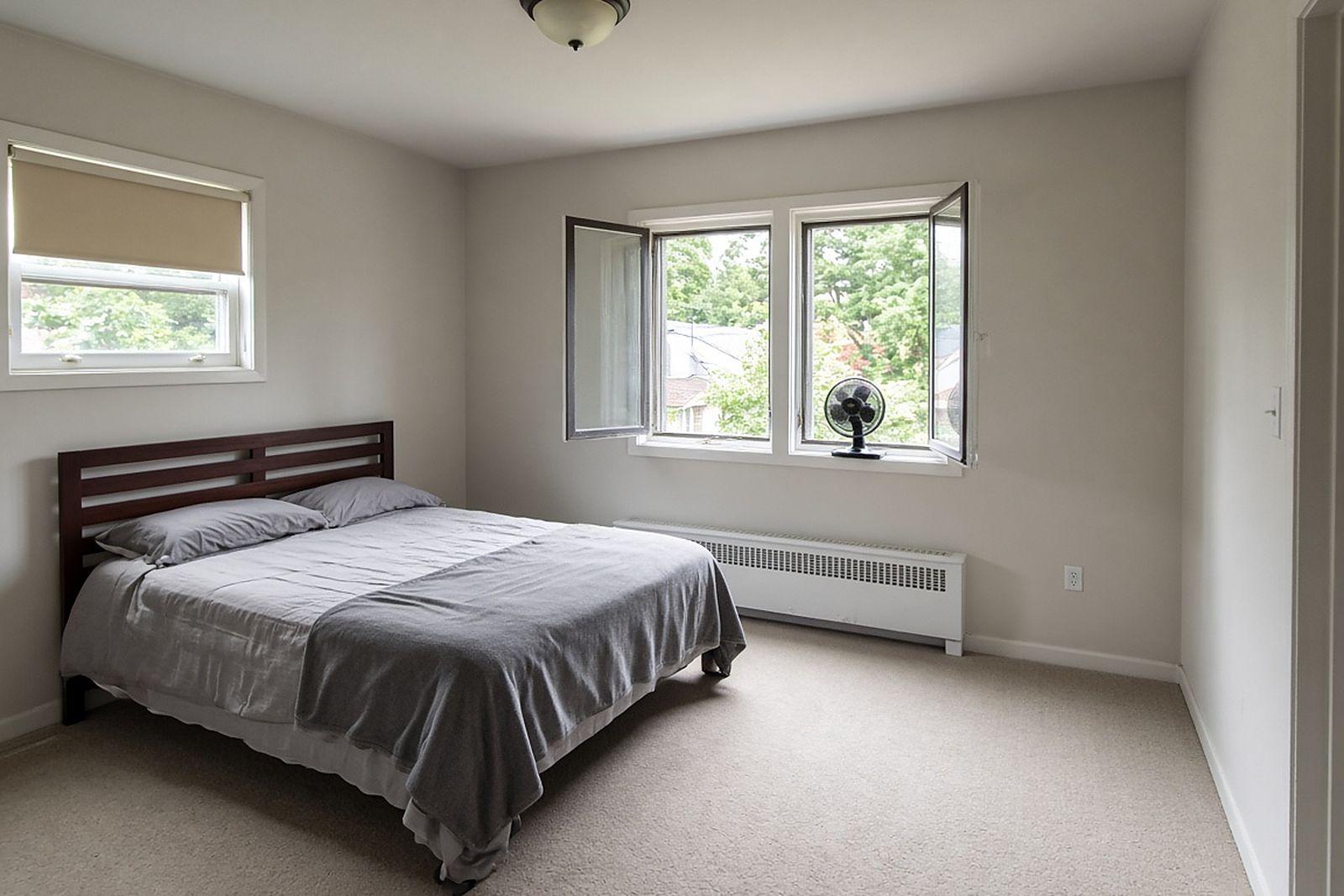
The technician starts with a walk-through before opening windows, so the house can be experienced as a buyer would. She notes where the smell is strongest: the living room where the father sat, the upstairs bedroom, and the kitchen. The basement smell is different in character, earthy rather than stale.
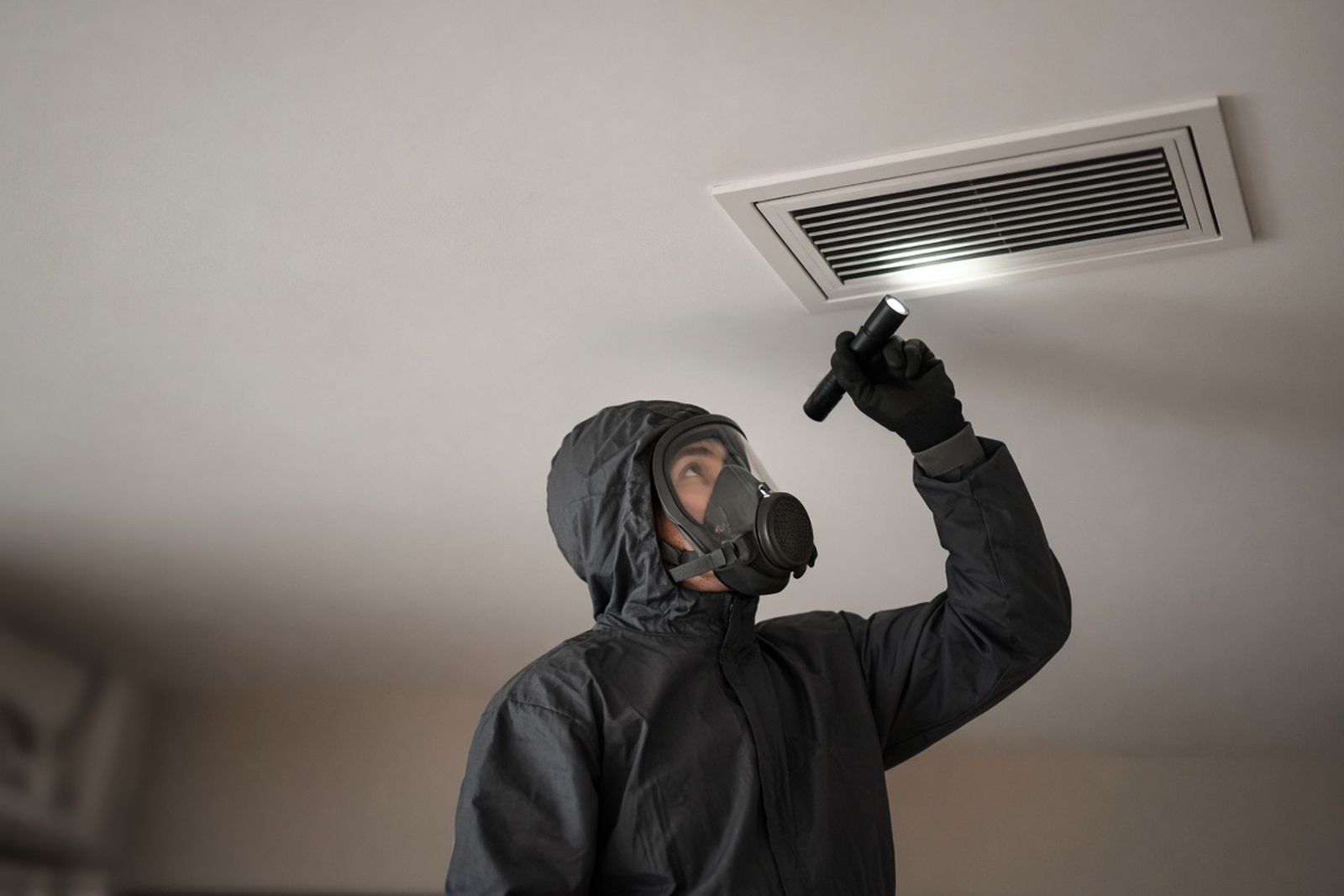
She then inspects surfaces. Walls and ceilings in the living room show a yellow-brown film that wipes off onto a white cloth. Inside the kitchen cabinets, the film is lighter. Blinds, light fixtures, and the tops of door trim carry heavy residue. The HVAC filter is dark, and the return grille is stained.
The basement tells a different story
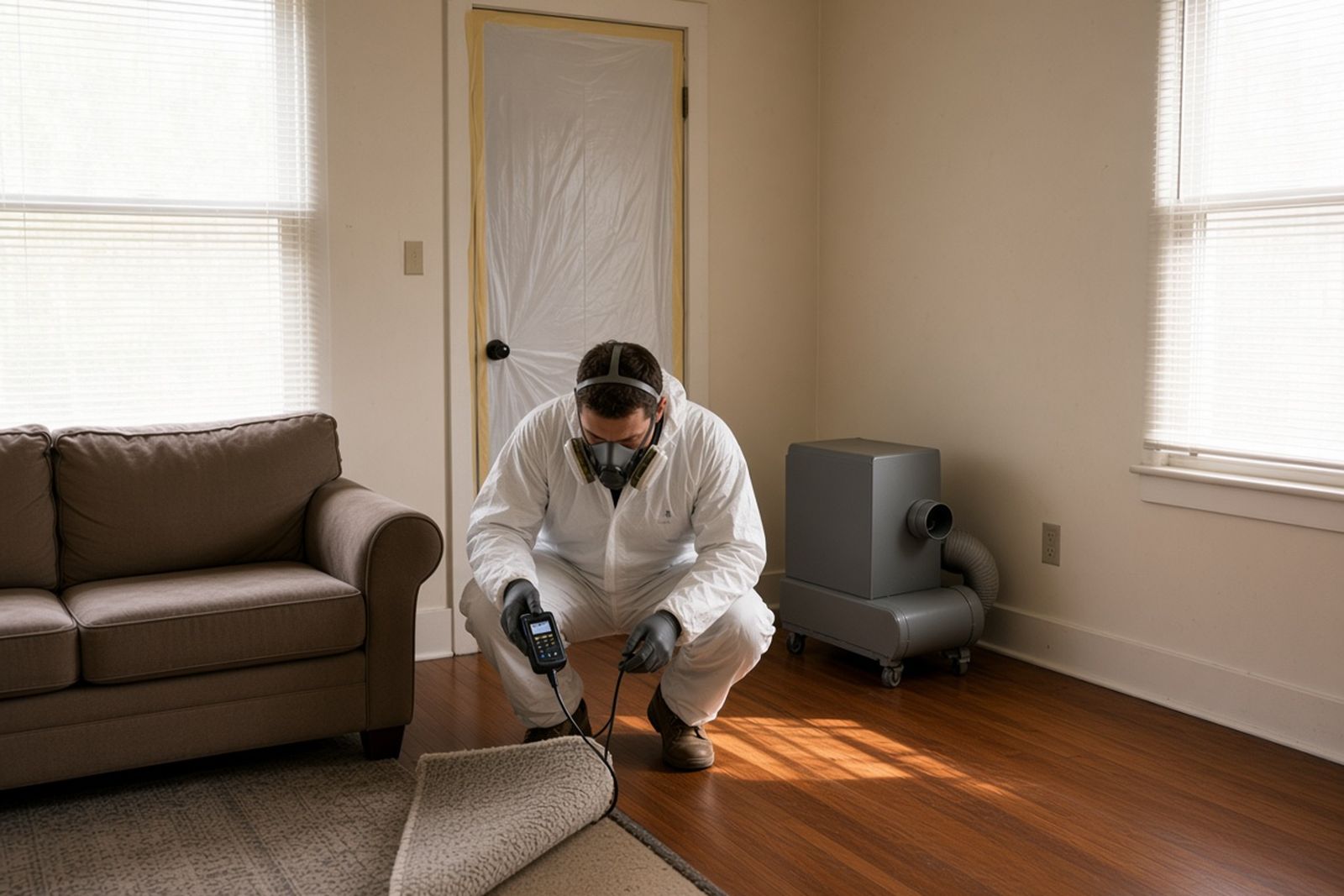
In the basement, a moisture meter shows elevated readings along the lower drywall near the laundry area and none elsewhere. The carpet there has a faint water line. Nothing points to active leaking, but the old event clearly left damp material behind.
She photographs every observation, labels each by room and surface, and records meter readings with their locations. That evidence becomes the backbone of the scope.
Mapping the odor sources
Mapping turns observations into a list of reservoirs, each paired with a planned treatment. The technician groups the townhouse into zones based on what is causing the smell in each one, rather than simply listing rooms.
Smoke residue is known to hang on. Research published in Tobacco Control in 2011 reported that thirdhand smoke residue persisted in former smokers' homes even after two months vacant plus cleaning and preparation for new residents. That finding supports treating every surface that carries film, not only the most visible ones.
- Zone A, main living areas: heavy smoke film on walls, ceilings, trim, blinds, and fixtures; carpet and pad likely holding residue
- Zone B, kitchen and bath: lighter film, including inside cabinets and on exhaust fans
- Zone C, HVAC: dirty filter, stained return, likely residue in accessible ducts and on the blower
- Zone D, basement laundry corner: elevated moisture in lower drywall and carpet, musty odor
- Zone E, soft goods and contents: upholstered furniture, curtains, and mattresses the siblings may keep or discard
Turning sources into tasks
Each zone gets its own section in the scope, with tasks listed in the order they will happen and a short reason next to each one.
In Zone A, the carpet and pad are removed because smoke residue in fibers and padding cannot be cleaned through its full depth. Walls, ceilings, and trim are washed with a degreasing cleaner, rinsed, and checked with a white cloth wipe test. Blinds and light fixtures are either cleaned or replaced, with the siblings choosing which. After cleaning, walls and ceilings receive an odor-blocking primer before painting.
In Zone B, cabinet interiors and exteriors are cleaned, exhaust fans are cleaned or replaced, and shelving paper is removed. In Zone C, the filter is replaced, the return grille is cleaned, accessible ducts and the blower are cleaned by an HVAC contractor, and a new filter goes in after the dust settles.
Basement, contents, and air filtration
In Zone D, the damp drywall is cut back to dry material, the carpet and pad in that corner are removed, the framing is dried and checked, and the provider recommends a plumbing inspection of the laundry connections. If any growth is found behind the wall, the scope notes that mold work follows its own guidance. Zone E is left to the siblings, with a note that keeping smoke-exposed upholstery will bring odor back into the cleaned house.
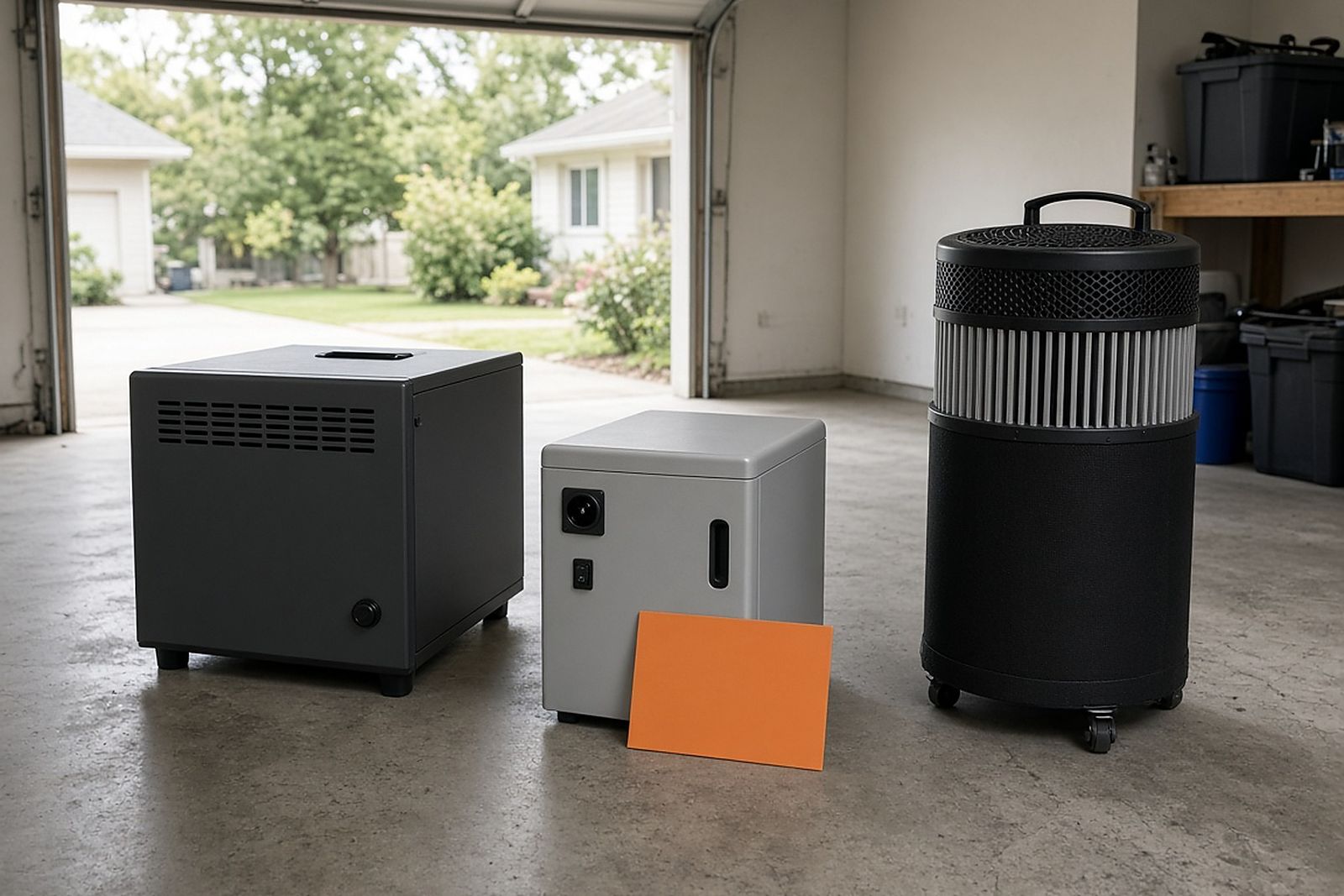
Air filtration with carbon runs during and after cleaning. Ozone is not included, and the scope says why: once residue is removed and surfaces are sealed, the remaining load is small enough for filtration and ventilation.
What happens when the job uncovers something unexpected?
Odor work often reveals more once materials come out, so a defensible scope plans for change instead of pretending it will not happen. In this example, the scope includes a short change clause: if removal exposes a new source, work in that zone pauses, the provider photographs the finding, and the siblings receive a written addendum before anything further is done.
Suppose that when the living room carpet comes up, the technician finds dark staining on the subfloor near the father's chair from years of spilled drinks and ash. That was not visible at the first inspection. She photographs it, takes a moisture reading, and sends the siblings a one-page addendum describing the finding, the proposed treatment of cleaning and sealing that section, and the effect on the timeline.
The siblings approve it by email the same day. Because the change is documented with its own evidence and approval, it strengthens the scope rather than undermining it. Nobody later wonders why the invoice grew, and the buyer's inspector sees a record rather than an unexplained patch.
Defining success before work starts
Verification is written into the scope before work begins, so nobody debates it later. The technician proposes three checks.
First, a white cloth wipe on walls and ceilings in each zone should come back without visible residue. Second, moisture readings in the basement framing should match unaffected areas before anything is sealed or closed. Third, after painting and flooring, the house stays closed for a full day with the HVAC running, and two people who have not been inside recently walk through and record their impressions by room.
Each check covers something the others miss. The wipe test shows surface residue, the meter shows moisture, and only a closed-house walk-through tests what a buyer will actually notice.
If the walk-through finds a lingering smell in any zone, the scope commits the provider to investigate that zone before adding any air treatment.
Records that make the job easy to defend
At the end, the siblings receive a folder with the original photos and meter readings, the zone map, the scope with any approved changes, invoices broken out by zone, disposal records for removed materials, and the verification notes.
That package serves several audiences. The siblings can see that each dollar matched a documented problem. The listing agent can answer buyer questions with facts. If a buyer's inspector notices a patched wall in the basement, the records explain what was found and fixed.
Asking whether a provider follows recognized practices in similar work is a reasonable way to judge their approach.
Lessons that carry over to other odor jobs
The same logic applies whether the smell comes from pets, smoke, spoiled food, sewage, or a death in the home. Observe before treating. Tie each task to a source. Choose remove, clean, seal, or leave alone for each material and say why. Put the order of work in writing. Agree on how success will be measured before anyone starts.
A scope built this way protects everyone. It protects the owner from paying for work that is not needed, it protects the provider from disputes over what was promised, and it protects the next occupant from a smell that returns after the first warm week.
Disposal of removed materials, especially anything contaminated by bodily fluids or sewage, may be regulated. Ask the provider to name the facility that will receive those materials and to put the disposal records in the final folder.