Short answer
OSHA has no standard written specifically for odor removal. Instead, the work triggers general standards based on what the technician faces: bloodborne pathogens when the source involves body fluids, air contaminant limits for ozone and treatment chemicals, respiratory protection when respirators are needed, hazard communication for fogging solutions, and confined space rules for crawlspaces or pits. These rules protect workers; occupants rely on the company's re-entry procedures.
Does OSHA regulate odor removal at all?
Not as a trade. You will not find an OSHA standard called odor removal, deodorization, or smoke odor treatment. OSHA regulates employers and the hazards their employees face, so the rules that apply to an odor job depend on what the technician is actually doing and breathing.
That makes odor work unusual. One week a technician may be sealing a smoke-damaged kitchen with shellac-based primer. The next week the same person may be pulling urine-soaked carpet pad, running a hydroxyl generator in a hotel room, or crawling under a house to find a dead animal. Each task pulls in a different set of standards.
For you as a homeowner, landlord, or facility manager, this matters in two ways. A company that understands its OSHA duties tends to plan the job carefully, which usually means a safer outcome for your building too. And although OSHA protects workers rather than occupants, the controls it demands, such as keeping people out of treated air, are the same controls that protect your family or tenants.
It also helps to know that OSHA enforcement is employer by employer. If a property manager hires an odor company, which then subcontracts the source removal to a biohazard firm, each company is responsible for its own workers. Ask up front who will be on site and under whose safety program each person is working.
When the Bloodborne Pathogens standard applies
Odor is often a symptom of biological contamination. Decomposition after an unattended death, blood that soaked into flooring, vomit in a vehicle, or sewage backing up into a basement can all leave behind material that OSHA treats as potentially infectious.
When an employee's duties reasonably involve contact with blood or other potentially infectious materials, the employer must follow 29 CFR 1910.1030. That means a written exposure control plan, training before the task, the offer of hepatitis B vaccination, appropriate protective equipment, and proper handling of contaminated materials removed from the site.
A reputable odor company will tell you plainly when a job has crossed from deodorizing into biohazard cleanup. Some firms do both; others will insist that a trained remediation crew removes the source first and only then bring in odor equipment. Either approach is reasonable. What is not reasonable is running an ozone machine over contamination that was never removed, because the smell will return and the worker who later pulls the flooring faces the same exposure anyway.
Ozone and other oxidizing treatments
Ozone is the treatment most tied to OSHA limits in this field. According to OSHA's 2024 chemical database, the permissible exposure limit for ozone is 0.1 ppm (0.2 mg/m3) as an 8-hour time-weighted average for workers. That limit is for healthy adult employees and is not a safe level for residents, pets, or plants.
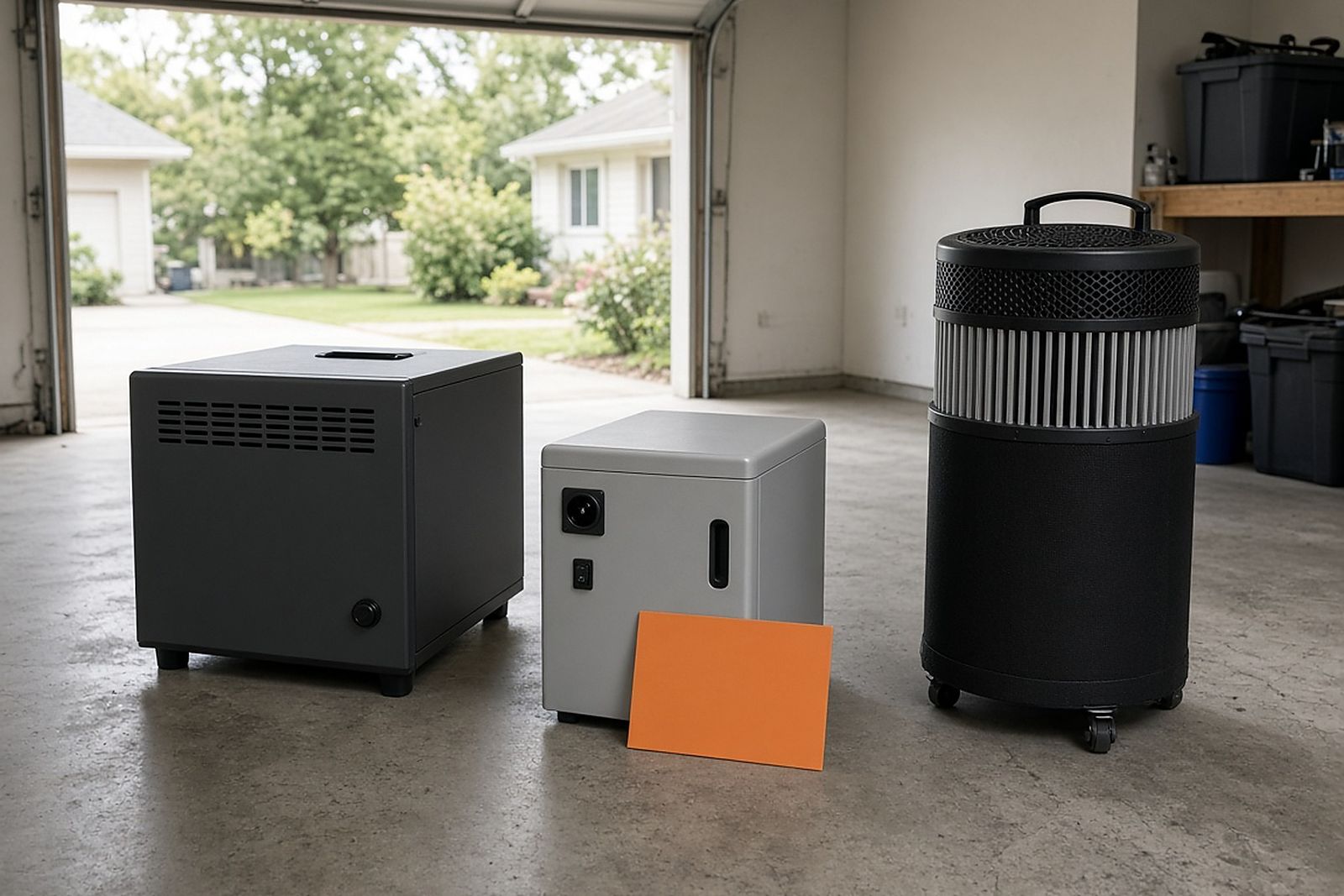
NIOSH, the federal research agency that advises OSHA, goes further. Its 2019 Pocket Guide sets a ceiling exposure limit of 0.1 ppm for ozone and classifies 5 ppm as immediately dangerous to life or health. Professional shock treatments can create concentrations inside a sealed room that are far above those worker limits, which is why no one should be inside while the machine runs.
For employers, compliance looks like written procedures: post warning signs on every entrance, lock or secure the space, run the equipment on a timer or remote control, ventilate and wait before re-entry, and verify air conditions before sending anyone back inside. Some companies use direct-reading monitors for this step.
Hydroxyl generators, chlorine dioxide products, and thermal fogging solutions each carry their own label directions and safety data sheets. The employer's job is to follow the label, which is a legal requirement for registered products, and to keep worker exposure within applicable limits.
Hazard communication and respirator programs
Odor technicians handle a surprising number of chemicals. Enzyme digesters, oxidizing cleaners, solvent-based fogging solutions, disinfectants, and stain-blocking sealers may all be on the truck for a single job.
The Hazard Communication standard requires employers to keep a chemical inventory, maintain safety data sheets that workers can reach during the shift, label secondary containers, and train employees on the hazards of the products they use. A technician who transfers a concentrate into an unmarked spray bottle is a common compliance gap.
Mixing is another. Some odor products react badly with others, particularly oxidizers and ammonia-based or acidic cleaners. Training should cover which products may never share a bucket, a sprayer, or a room at the same time.
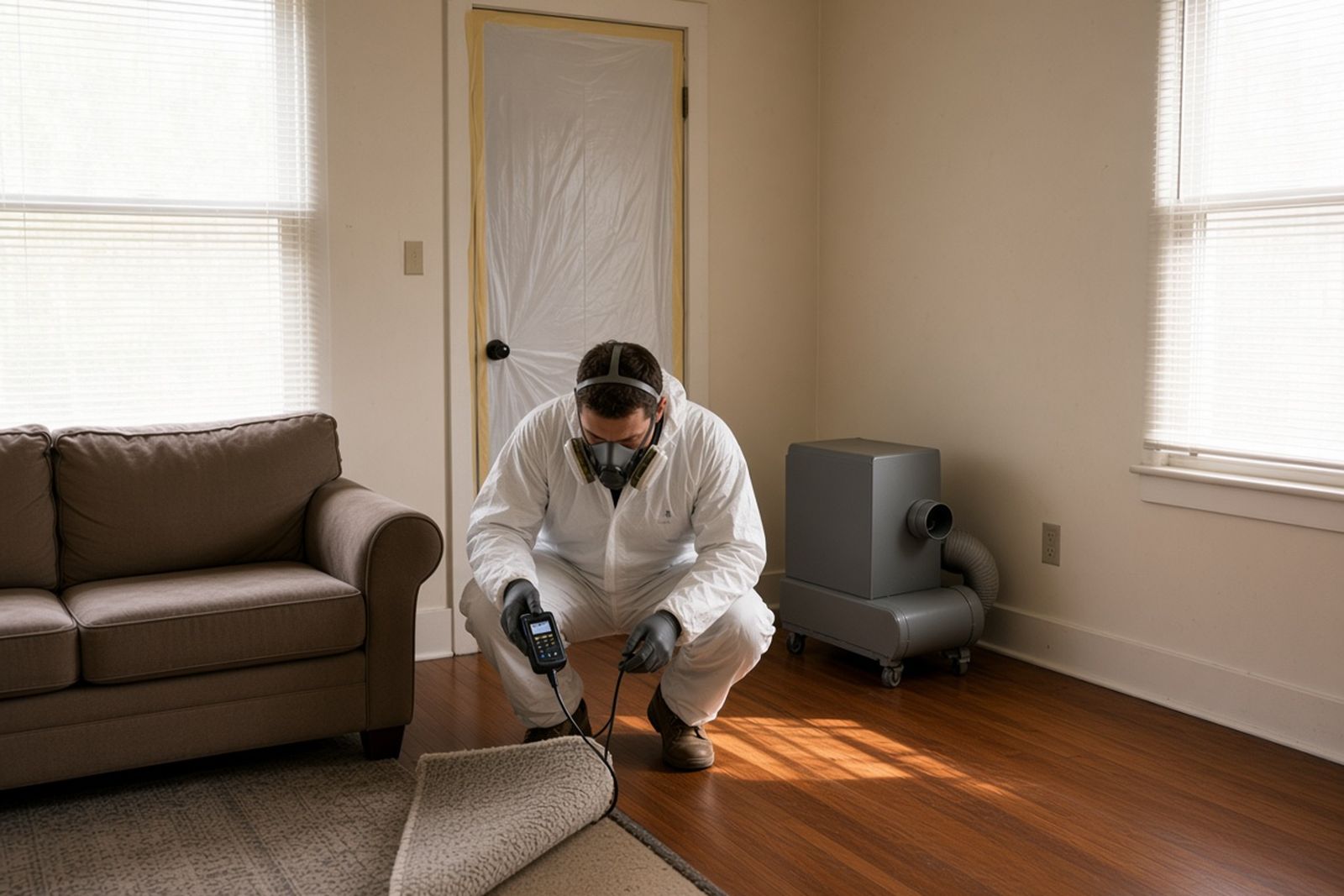
Respirators come into play when engineering controls, such as ventilation and containment, cannot keep exposures low enough. In odor work that often means tearing out contaminated materials, applying solvent-based sealers in closed rooms, fogging, or working in dusty, soot-coated spaces.
Once an employer requires respirators, OSHA's Respiratory Protection standard, 29 CFR 1910.134, calls for a written program, a medical evaluation before use, fit testing for tight-fitting facepieces, training, and proper cartridge selection and change schedules. Handing a technician a box of disposable masks does not satisfy it.
Cartridge choice is especially important. Particle filters capture soot and dust but do nothing for gases or vapors. Organic vapor or combination cartridges are needed for many solvent sealers, and some gases, including ozone at high levels, call for different protection or no entry at all.
Voluntary use is treated differently. If a technician chooses to wear a filtering facepiece when it is not required, the employer still has a few obligations, such as sharing basic information about safe use, but the full program applies only when the employer requires the respirator.
- Current safety data sheet for every product on the truck
- Labels on every secondary container, including spray bottles
- Training on each product's hazards before first use
- Written rules on which products must never be combined
Hidden hazards in crawlspaces, sewers, and attics
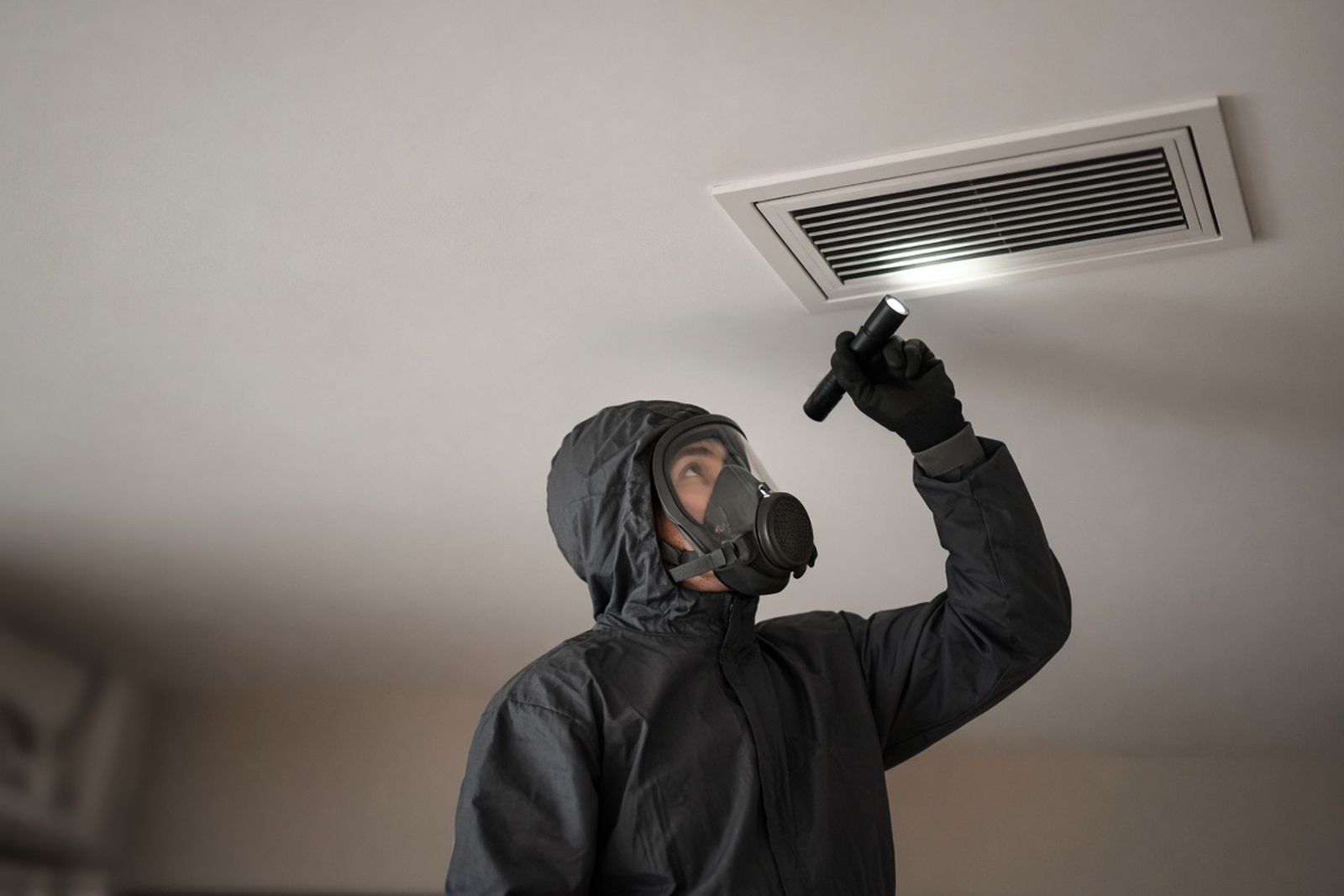
Finding an odor source often means going where air does not move. Crawlspaces, sump pits, septic access points, attics, and wall cavities can hold heat, dust, mold, animal waste, and sometimes toxic gases.
Hydrogen sulfide is the classic example near sewer lines and septic systems. OSHA's hazard guidance warns that at high concentrations it deadens the sense of smell, a problem called olfactory fatigue. In other words, the rotten-egg smell can disappear exactly when the gas becomes most dangerous, so a technician cannot use their nose as a safety meter.
OSHA's confined space rules apply when a space is large enough to enter, has limited entry and exit, and is not designed for continuous occupancy. Some crawlspaces and pits meet that definition, and a subset may be permit-required spaces that call for atmospheric testing, an attendant, and a rescue plan. Heat illness is a separate concern in summer attics, where protective suits add to the load.
How the rules stack up on a death-related odor job
The standards above rarely arrive one at a time. A rental house where a tenant died and was not found for several weeks shows how they stack up once the authorities have released the property and the owner wants it ready to show again.
If fluids reached the carpet pad and subfloor, the job is a bloodborne pathogen job before it is an odor job. A crew trained under the company's exposure control plan removes and bags the affected flooring, cleans the joists, and applies a registered disinfectant according to its label.
Only after the source is gone does the odor phase begin. The crew seals the cleaned framing. If ozone is used, signs go on every door, any lockbox comes off so no agent can show the property mid-treatment, the technician runs the machine from outside, and re-entry waits until the air has been ventilated and checked.
A company that refuses a mid-treatment walk-through for photos is not being difficult. That refusal is the OSHA-driven procedure doing its job, and it protects the owner as much as the crew. If grief after a loss like this feels overwhelming, you can call or text 988 to reach the 988 Suicide and Crisis Lifeline at any hour.
Questions to ask about worker safety
OSHA will not inspect your home before a job, and it does not license odor companies. You can still learn a lot by asking how the company protects its own people, because the same habits protect your property and anyone who lives there.
Pay attention to how specific the answers are. A company that names its re-entry procedure and knows which cartridges it uses has thought about the job.
- Will you remove the source before deodorizing, and who does that work?
- How do you keep people and pets out during ozone or fogging treatments?
- How do you decide when it is safe to re-enter?
- Are your technicians fit tested for the respirators they wear?
- Can you share safety data sheets for the products you plan to use?