Short answer
The biggest red flags in odor removal are a price before anyone inspects, a plan built around a single machine, no written list of what will be removed, ozone offered while people or pets stay home, guarantees with no conditions, and pressure to sign today. A trustworthy company explains the source, the method, and how it will confirm the smell is gone.
Why odor removal is so easy to get wrong
A bad smell is invisible, and that makes it easy to sell a quick fix. Almost any deodorizer, fog, or machine can make a room smell different for a few days. The trouble is that a smell coming from soaked carpet pad, damp framing, or residue inside ductwork will return once the treatment wears off.
Because results can look good at first, you often find out that a company cut corners only after the check has cleared. Learning the warning signs before you hire is the most reliable way to protect your money and your time.
The red flags below are grouped by when they tend to show up: on the first phone call, during the site visit, in the written estimate, and on the day of work. You do not need to find all of them to walk away. One serious flag is often enough.
Warning signs on the first phone call
The first conversation tells you a lot about how a company thinks. A provider that cares about the source will ask you questions: when the smell started, which rooms are worst, whether it gets stronger in heat or humidity, and what has already been tried.
Be cautious if the person on the phone skips all of that and moves straight to a price or a booking time. A firm figure given before anyone has seen the space, or at least reviewed detailed photos, usually means the company plans the same treatment no matter what is causing the problem.
Other early flags are worth noting too. Watch for vague answers about who will actually come to your home, an unwillingness to give a business address, or a salesperson who describes every odor as easy.
- A fixed price quoted before any inspection or photo review
- No questions about the history or pattern of the smell
- Claims that one product or machine removes every type of odor
- Reluctance to name the business entity or provide a physical address
- Pushing for a same-day start when nothing about the situation is urgent
What should worry me during the site visit?
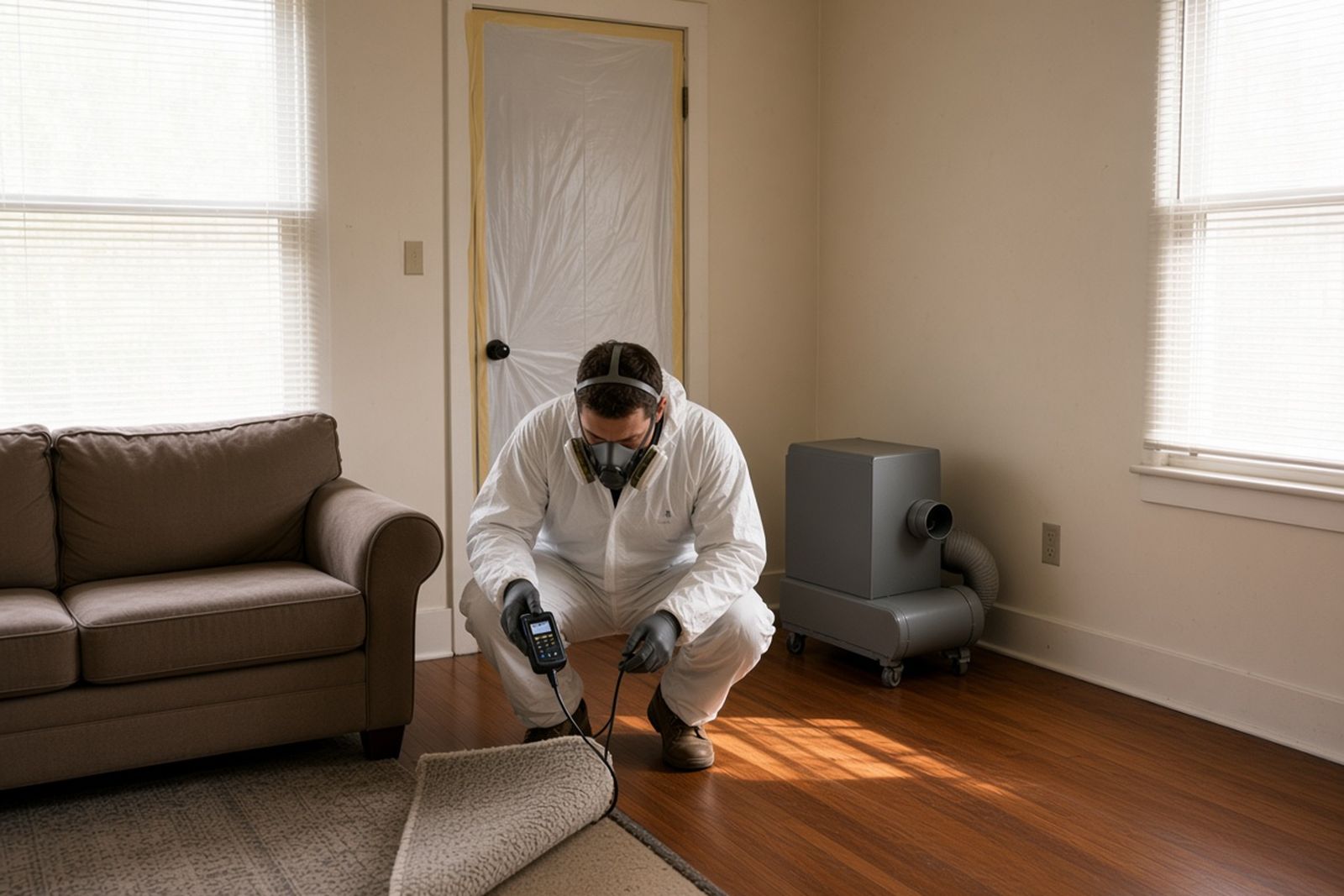
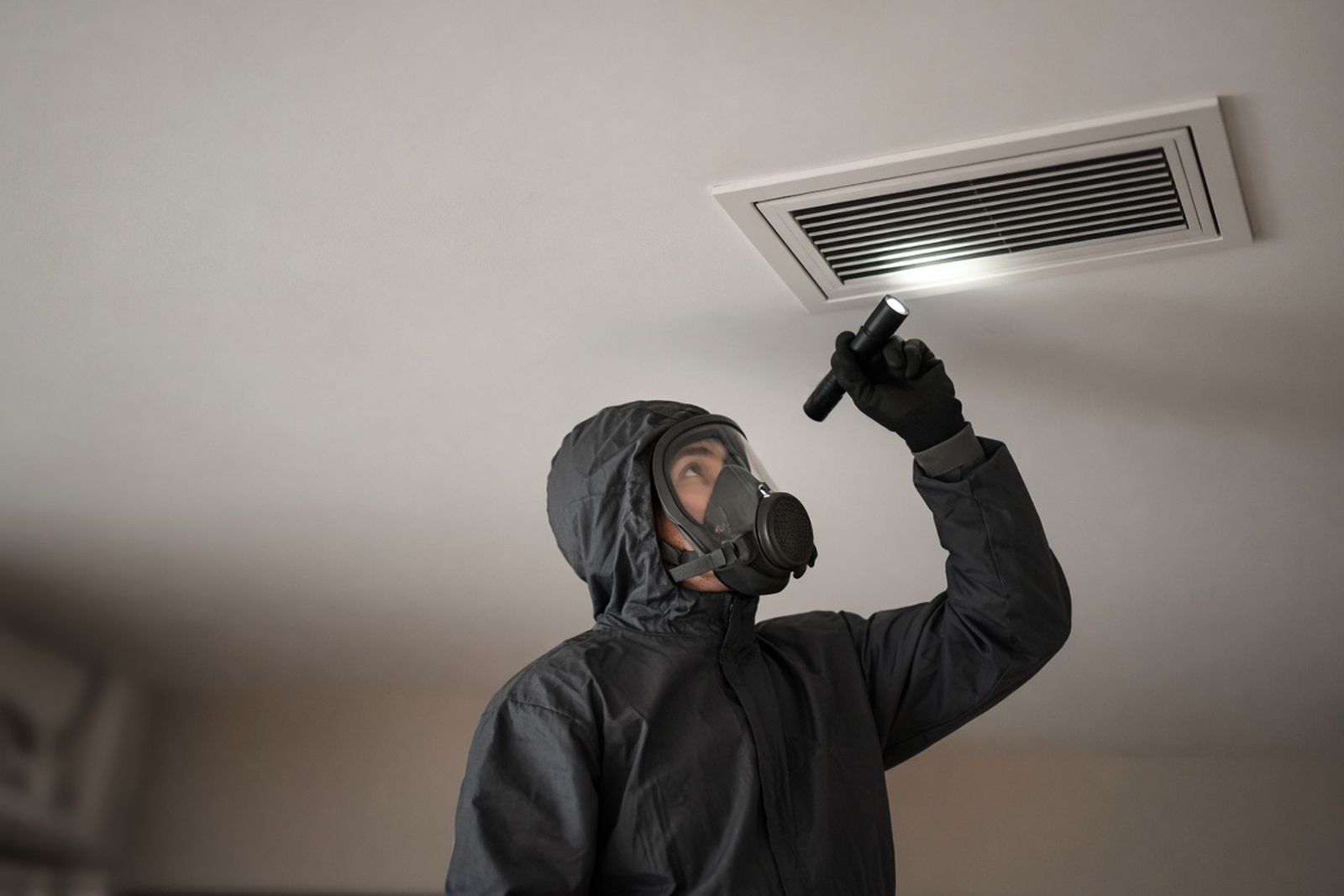
A proper inspection is hands-on. Expect a technician to walk every affected room, look under furniture, check vents and returns, and in many cases lift a carpet corner or use a UV light to trace pet urine. Moisture meters are common when a musty smell suggests water damage.
A visit that lasts a few minutes and never goes past the doorway of each room is a warning sign. So is a technician who cannot tell you what they think the source is, or who insists the source does not matter because their treatment works on everything.
Listen for how the technician talks about removal. Porous materials such as carpet pad, upholstery foam, and drywall can hold odor-causing residue deep inside. A provider that never mentions removing or sealing anything may be planning to treat the air while leaving the reservoir in place.
Also notice how the technician treats you. If the smell is tied to a loss, a hoarded home, or a difficult tenant situation, dismissive comments or visible impatience suggest the company will not handle the rest of the job with care.
What the written estimate reveals
The estimate is where vague promises either become specific commitments or disappear. A useful scope lists each room or area, the material involved, and the planned action, whether that is removal, cleaning, sealing, or air treatment.
An estimate that says only deodorize, odor treatment, or whole-home package gives you nothing to hold the company to. If the smell comes back, you have no record of what was supposed to happen.
Look for what is missing as well as what is written. Common gaps include HVAC cleaning, contents cleaning, and repairs after materials are removed. A company does not have to include every service, but a trustworthy one tells you plainly what is excluded so you can plan for it.
Finally, look at payment terms. Asking for a deposit is common. Asking for full payment before any work begins, or accepting only cash with no invoice, should make you pause.
Is it a red flag if a company wants to run ozone right away?
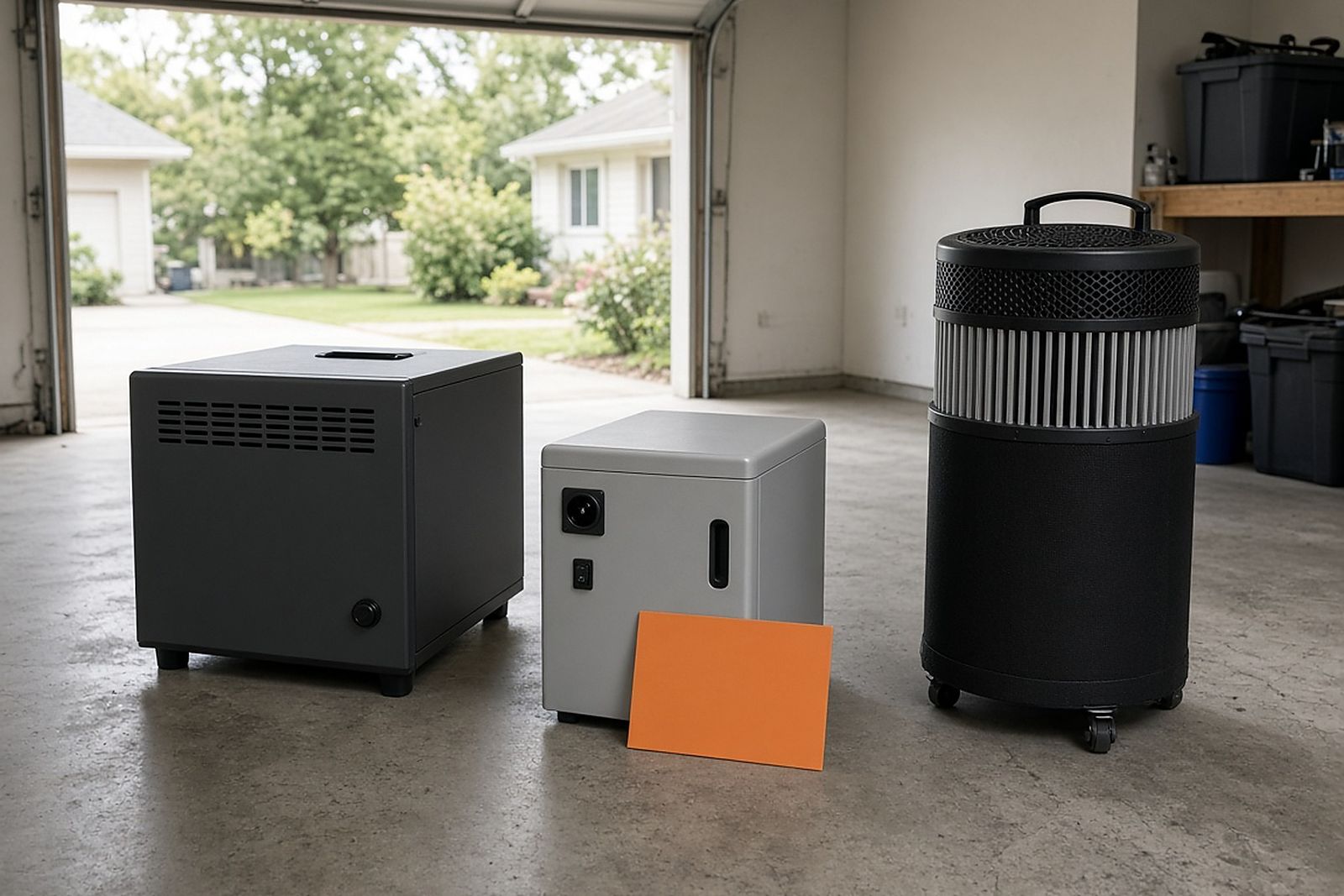
Ozone machines are popular because they are cheap to run and produce a noticeable change in how a room smells. They can have a role in vacant, controlled treatments. They are not a substitute for removing the source, and they are never appropriate with occupants present.
Federal agencies are clear on this point. EPA states that at concentrations that do not exceed public health standards, ozone is not effective at removing many odor-causing chemicals, according to its 2024 guidance on ozone generators sold as air cleaners. In other words, ozone at a level safe to breathe does little, and ozone strong enough to act on odors is not safe to breathe.
So treat these as serious warning signs: a technician who says you can stay home during treatment, who does not mention removing pets and plants, who has no plan for airing out the space, or who proposes ozone as the first and only step.
A red-flag job, start to finish (illustrative)
A composite example, not a real case, shows how these flags pile up. A renter is moving out of an apartment where a previous tenant smoked heavily. The landlord has given her a list of names, and she calls the first one.
The company quotes a flat rate over the phone and books her for the next morning. The technician arrives, places a machine in the living room, and tells her she can wait in the bedroom with the door closed. He never looks at the closet ceilings, the window blinds, or the bathroom exhaust fan, and the invoice says only odor treatment.
Two weeks later, on the first warm day, the smell is back. She has no scope to point to and no verification record, and the company says the return is caused by something new.
A stronger provider would have asked about the smoking history, planned to wash or seal the walls and ceilings, replaced the blinds and HVAC filter, treated the air only after the surfaces were addressed, and scheduled a closed-room check. None of that is exotic. It is simply what a source-focused process looks like.
Guarantees and insurance promises to question
Guarantees are not bad on their own. A clear promise to return within a stated window if the same odor comes back from the treated areas is a good sign. The problem is a guarantee with no conditions, no timeframe, and no definition of what counts as a return.
Be especially careful with promises about insurance. A company can document damage, provide photos, and talk with your adjuster, but it cannot promise that your policy will pay. Phrases like your insurance will cover all of this, or we handle everything so you never have to talk to them, are warning signs.
Read any assignment-of-benefits or direction-to-pay form carefully before signing. These documents can give the contractor rights to your claim payment. If you are unsure what a form means, ask your state insurance department before you sign.
What should I do if I notice a red flag partway through?
Sometimes the warning signs only appear after work has started. If a crew arrives and proposes something different from the written scope, you are allowed to stop and ask for the change in writing before it happens.
If you are asked to stay in the home during an ozone or heavy fogging treatment, leave and take pets with you, then call the office to ask why the plan changed. Your health comes before the schedule.
Keep your own record as you go. Take dated photos of affected areas before and after, save every message, and write down what each crew member tells you. If you later need to dispute a charge or file a complaint with your state attorney general or consumer protection office, that record will matter.
- Pause the job and request any scope change in writing
- Leave the space if treatment is run while you are present
- Photograph work areas before and after each visit
- Save invoices, texts, and emails in one place
- Contact your state consumer protection office if a dispute cannot be resolved
Green flags by comparison
It helps to know what you are looking for, not just what to avoid. A reliable odor removal company inspects before pricing, names a likely source, and explains why each step is needed.
Its written scope separates removal from cleaning from air treatment. It tells you how long to stay out and why. It describes a verification step, such as a closed-room check after the space sits overnight, and it explains what happens if the odor returns.
If a death, sewage backup, or animal remains are involved, it either holds the training to handle biohazards or tells you who it partners with. That kind of honesty about limits is one of the clearest signs you have found a company worth hiring.