Free odor removal tool
Odor Removal Cost Range Estimator
Set the affected area, surface types, severity and extras to see an educational cost range and the factors that move it.
Odor jobs are priced by what has to be removed, not by how bad the smell is. A strong smell from one hard-surface source can be less work than a faint one that has spread through pad, subfloor, and ducts over years. This estimator asks about the affected area and whether the surfaces are hard, mixed, or soft. It asks how bad the problem is and how long it has lasted. Those answers decide whether the plan is cleaning, treatment, or tear-out. You can also add factors that change the range, such as after-hours work, several rooms, air treatment gear, and tearing out building parts. The result is a range for learning, with an explanation of what drives it. Then you can look at a real quote and understand its shape.
Two odor cases are handled elsewhere. If the smell comes from a death or from blood, the biohazard cleanup is the main job and most of the cost. Use the estimator on the trauma or unattended-death site for that part. Then treat odor as a later phase. If the smell is musty and tied to a leak, mold and moisture work may need to come first. This site covers the common cases. Those include pet urine that has soaked in, smoke residue, the aftermath of sewage cleanup, skunk, and smoking residue in a rental. For those, the range here is a place to start a talk. Rules about who pays, and about disposal of removed material, vary by state and county. Check with the local office.
How to use it
- 1Enter the affected area. Count every room where you can notice the smell, not just the room where it started.
- 2Pick the surface type that best fits the space. Carpet, pad, unsealed wood, and fabric count as soft surfaces.
- 3Rate how bad it is, honestly. Base it on how long the problem has lasted and whether the smell comes back after cleaning.
- 4Add any extras that apply. Then read the notes on cost drivers and the list of items to ask for in a written quote.
Prefer to ask a person?
Your request is sent to the follow-up inbox. A coordinator can reply by email. Not for emergencies; call 911 first if anyone is in danger.
Estimate a cost range
Odor Removal cost range estimator
Educational only. Real pricing needs an on-site assessment and a written scope. Insurance coverage is decided by your carrier, not by this tool.
Educational range: $500 – $800
Scaled from a published reference range (pet odor removal, typical homeowner spend) reported by Fixr (2025). Your region, provider and the actual findings on site can move the real number outside this range.
Cost level: Mid range.
None of the big cost multipliers are selected. Minimum service charges, travel and waste fees still apply.
Ask every quote to itemize labor, containment, product, waste disposal, verification sampling, and any rebuild, and to state what is excluded.
A worked example
Say a landlord is turning over a two-bedroom unit. The last tenant smoked indoors for several years. The smell is in every room, and the walls and ceilings have a film you can see. The carpet is original, and one forced-air system served the whole unit. In the estimator, the landlord enters the full unit as the affected area. They pick mixed surfaces, because the unit has painted drywall, carpet, and laminate. They set the level to high, because the residue has been there a long time and the smell lived through an earlier repaint. Under extras, they add several rooms and odor treatment. They leave off tearing out building parts, because no drywall needs to come out. The tool gives a range. It explains the cost drivers. These are residue cleaning on all surfaces, new carpet and pad, filter and duct work, and an air treatment phase after cleaning. The quote checklist prompts four questions. Does the price include cleaning inside cabinets and closets? Is an odor-blocking primer part of the plan? Which air method is planned? And how will they confirm it is safe to move back in? That list becomes the basis for comparing two written plans.
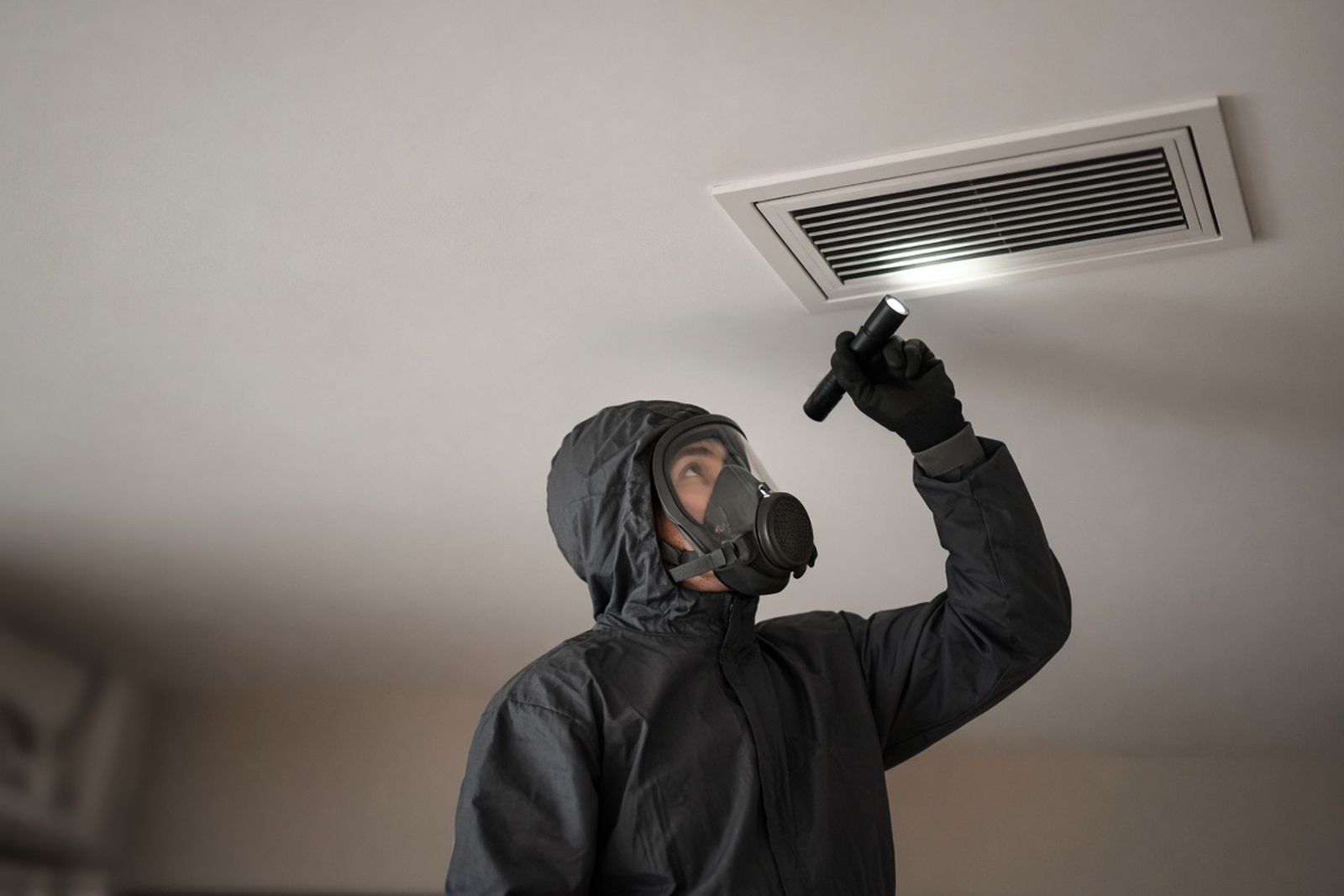
Numbers behind cost estimator decisions
- $300-$600 per floor
Fixr prices ozone treatment for smoke damage at $300 to $600 per floor and thermal fogging at $200 to $550 per floor.
Read with care: Per-floor pricing varies with square footage, severity, and whether contents are treated.
Source: Fixr (2025)US national estimate updated January 31, 2025
- $497 million
A CDC study estimated smoke-free policies in all US subsidized housing would save $497 million per year, including $134 million in renovation costs and $53 million in fire losses.
Read with care: Modeled estimate from 2014 that combines health care, renovation, and fire costs rather than measured spending.
Source: CDC (2014)US government-subsidized housing, about 7 million residents; Preventing Chronic Disease study
- $27,477
HomeAdvisor lists fire and smoke remediation at a national average of $27,477, with smoke odor treatments such as ozone at $400 to $800 and thermal fogging at $200 to $600.
Read with care: The average includes structural fire repair and soot cleanup, far beyond odor-only jobs.
Source: HomeAdvisor (2026)US national estimate, typical range $3,083 to $52,031
- $5,000
A UCLA survey of California apartment operators found smoking-related costs for recently vacated units averaged nearly $5,000 per year, with a median of $2,000.
Read with care: Self-reported by a small subset of California landlords over a decade ago; costs are not inflation adjusted.
Source: UCLA Health / American Journal of Public Health (2011)343 California Apartment Association members, 22.4% response rate
These figures are public research and agency data, not this network's own job records. Keep each number with its population, year and limits; none of them predicts cost, timing or outcome at a specific property.
Cost Range Estimator questions for odor removal
Why does choosing carpet, pad, or drywall push my odor estimate higher than tile?
Soft materials soak up odor chemicals from sources like urine, smoke, or decay, and they hold on to them. Carpet pad, bare subfloor, stuffed furniture, and drywall paper cannot just be wiped the way tile or sealed wood can. They need deeper treatment that may not fully work. Or they have to be removed and replaced. Removal adds labor, disposal, and rebuild costs. So the range goes up when you pick soft or mixed surfaces.
Does the odor treatment extra mean ozone?
It means some kind of air treatment phase. That could be a hydroxyl machine, ozone used only in an empty building, or thermal fogging. It depends on the odor type and whether people are living there. The estimator does not choose the method. It counts the time the machines run and the labor to set up, watch, and air out the space afterward. Ask any provider which method they plan to use and why it suits your case.
Should I include rooms that only smell faintly?
Yes. A faint smell in a far room usually means the odor has traveled through the air handler or along shared spaces inside the walls. Those paths are part of the job. Leaving them out makes the job look smaller than it is. It leads to a plan that fixes one room while the rest of the house spreads the smell back. Count every space where you or a visitor notice the odor.
How should I handle a smell that comes from a neighbor's unit?
Estimate only the work inside your own space, because that is what you can approve. Then bring up the source with building management or the association. A source in another unit or a shared duct cannot be fixed from your side. Your estimate helps you explain what you are facing. But the lasting fix depends on access that management controls.
What should a written quote separate out?
Ask for cleaning, material removal, disposal, air treatment gear, filter and duct work, and rebuild as separate lines. Splitting them lets you see where the money goes and compare plans fairly. It also matters if any part of the loss is claimable. An adjuster will want to see source removal recorded apart from machine time, not one lump sum for deodorizing.
Can I use the estimator for a car, RV, or boat odor?
Only loosely. The estimator is built around rooms, surface types, and building systems. So it will not capture car or boat details like foam seats, headliners, cabin air filters, or tight spaces that are hard to reach. You can use it to think through how bad the problem is and which soft materials are involved. But treat the range as a rough prompt, not a guide. Ask a provider with car or boat experience how its pricing differs for your case.
Should I rerun the estimator after a provider inspects?
Yes. Once a provider has lifted carpet, taken moisture readings, or checked the ducts, you will know more. You will know more about the affected area, the materials involved, and whether removal is needed. Update your answers with what they found and compare the new range to the written quote. If the two are far apart, use the cost driver notes to ask which items explain the gap before you sign.
Related community polls
Every count is a real visitor vote; nothing is seeded or padded. One vote per poll per device, and you can change your answer.
When a persistent smell first appeared in your home, what did you try first?
How long did you live with a recurring odor before seeking outside help?
Other odor removal tools
Provider Vetting Checklist
Fifteen questions to ask any remediation provider, a readiness score, and a copyable list of what is still unanswered.
OpenInsurance Claim Organizer
A guided checklist from finding the policy to tracking the carrier decision, with a printable summary of where the claim stands.
OpenFirst 24 Hours Planner
Tell the planner a few facts about the situation and get an ordered list of who to call, what not to touch, and what to photograph.
OpenWaste & Disposal Classifier
Five questions about the material point to the likely waste category and which authority to confirm the rules with.
OpenDIY or Call a Pro? Risk Check
Eight yes-or-no questions that produce a risk level and explain when professional help is the safer choice.
OpenMore on odor removal
Odor Removal services
See how professionals trace death, pet, smoke, sewage, and musty odors to their source and remove it before any air treatment begins.
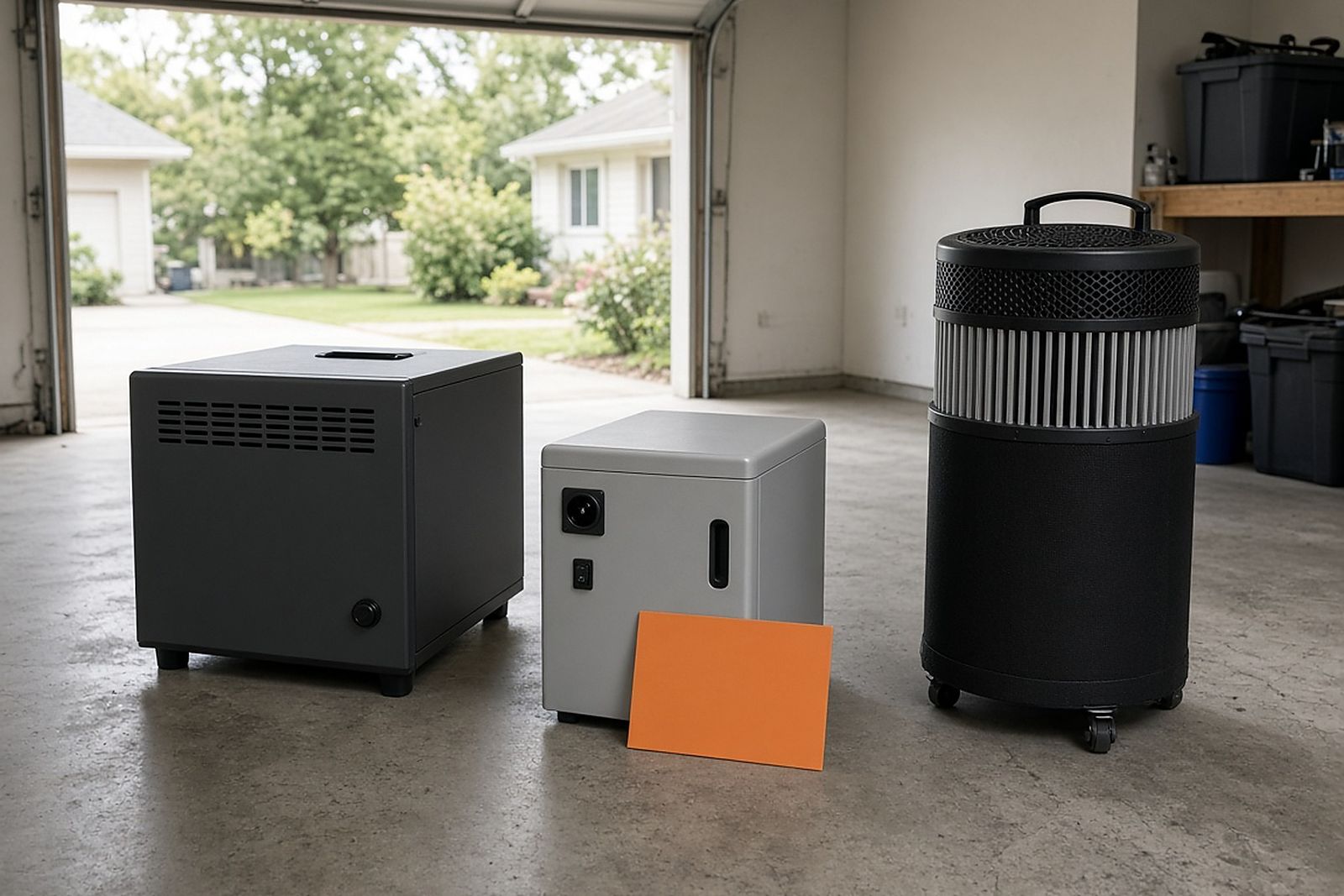
Costs explained
What drives the price, published cost ranges, and how to read a written quote line by line.
Insurance and payment
Which policies may respond, how to document a claim, and what to do if coverage is denied.
Community polls
See how other homeowners, renters, and landlords handled stubborn smells, what they tried first, and how they knew when an odor was really gone.
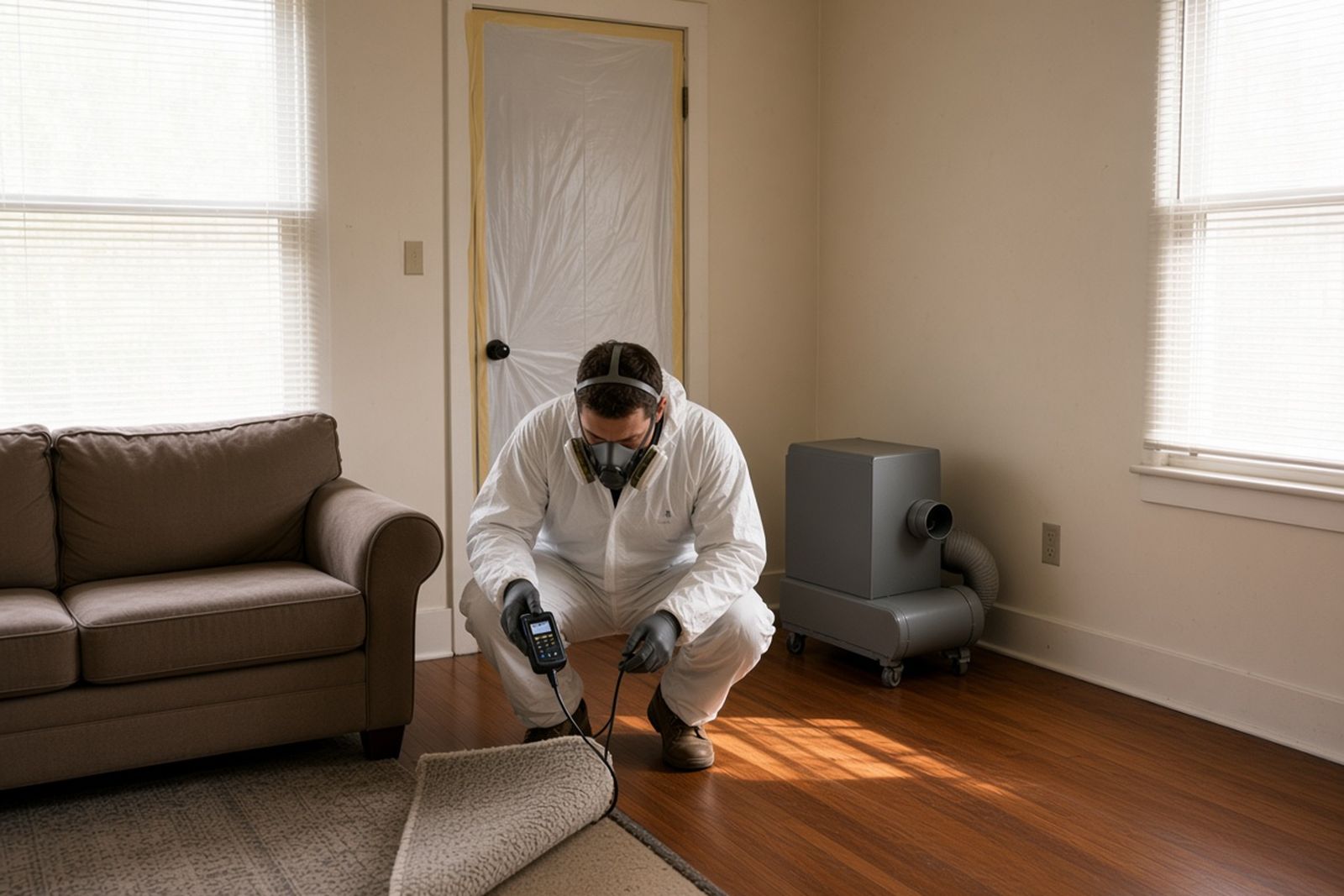
Knowledge quiz
Test what you know about where odors hide, safe use of air machines, how ducts spread smells, and why covering a smell is not the same as removing it.
Articles and resources
Read useful articles on humidity and returning odors, rental turnovers after smoking, skunk and sewage cleanup, and when a smell is a health warning.