Free odor removal tool
Odor Removal DIY or Call a Pro? Risk Check
Eight yes-or-no questions that produce a risk level and explain when professional help is the safer choice.
Plenty of odor problems are fine to handle yourself. Washing curtains, cleaning a hard floor, changing a furnace filter, and airing out a room after a cooking mishap need no expert. Others are not. A smell that makes people sick is one. So is a source you cannot find, or material soaked with body fluids or sewage. So is a musty odor that hints at hidden moisture. And so is any plan to run an ozone-type machine in a house where people sleep. This check asks eight yes-or-no questions that sort those cases out. It asks whether the source is known and whether the material is soft. It asks whether anyone has health effects and whether germs or chemicals may be involved. And it asks whether the fix you have in mind uses machines with safety rules.
The result is a risk level and a plain explanation. It says why a professional is the safer choice in some cases and not needed in others. It is not a judgment about your skills. Even handy homeowners lack the moisture meters and inspection tools a deep odor source calls for. They also lack air filters and plastic walls that keep dust inside the work area, and a way to dispose of the waste. Ozone products sold to consumers carry real hazards when used in buildings where people are living. If the check gives a high risk level, it will say which factor caused it. Then you can deal with that factor, for example by having a professional find the source. After that, you can think again about what you can safely do yourself. A moderate result usually means part of the job is yours and part is not.
How to use it
- 1Answer each of the eight questions as well as you can. When you are not sure, pick the more careful answer.
- 2Note which factors the result points out. They tell you what makes your case risky and not just unpleasant.
- 3If the result points to professional help, read why. See whether it is a health, equipment, or source-finding concern.
- 4If your next step is to contact a provider, use the result along with the first 24 hours planner and the vetting checklist.
Prefer to ask a person?
Your request is sent to the follow-up inbox. A coordinator can reply by email. Not for emergencies; call 911 first if anyone is in danger.
Check whether DIY is safe
Odor Removal: DIY or call a pro?
Eight yes-or-no questions. The result is an educational risk level, not a safety clearance.
1. Is there blood, body fluid, or anything that could carry a bloodborne pathogen?
2. Has the material soaked into carpet, padding, a mattress, drywall or a subfloor?
3. Is there a strong or lingering odor?
4. Could needles, broken glass, drug residue or unknown chemicals be present?
5. Does the affected area cover more than a small spot, or more than one room?
6. Will children, older adults, pregnant people or anyone immunocompromised use the space afterward?
7. Do you need documentation for insurance, a landlord, a sale, or an estate?
8. Would you be doing this while grieving, exhausted or under time pressure?
8 questions left to answer.
A worked example
Take a homeowner who wants to get rid of a skunk smell. The family dog was sprayed near the back door and ran through the house. He answers the eight questions. The source is known. The affected areas are mostly hard floors with one area rug. No one in the house is sick, though they all find the smell unpleasant. There is no blood, sewage, or chemical mess. And he is not planning to use ozone or any machine that requires an empty house. The check gives a low risk level. It explains that the job is mostly cleaning and breaking down the spray on the dog, the rug, and the entry surfaces, while airing out the house. It adds that a smell that lingers would mean he missed a spot. A neighbor with a different problem runs the same check. She has a sour smell in a spare bedroom with no clear cause. She gets a slight headache when she spends time in there, and she plans to borrow an ozone machine. The source is unknown, the material may be soft, she has symptoms, and a machine with safety rules is involved. The check gives a high risk level. It explains that an unknown source plus health effects makes having a professional find the source the wise first step. And ozone should never run in a home where people are living.
Numbers behind diy risk check decisions
- 2.21
Stronger liquid-sludge odor was associated with skin-rash reports (PR 2.21; 95% CI 1.13–4.32).
Read with care: Self-reported odor/symptoms; most symptom-group scores were similar across exposure groups.
Source: Wing et al. (2014)431 adults near liquid-sludge, cake-sludge or comparison areas.
- 5 ppm IDLH
NIOSH sets a ceiling exposure limit of 0.1 ppm for ozone and classifies 5 ppm as immediately dangerous to life or health (IDLH).
Read with care: IDLH is a worker escape threshold and does not describe long-term residential exposure risk.
Source: NIOSH (2019)US occupational guidance; ceiling not to be exceeded at any time
- 0.05 ppm
FDA regulation 21 CFR 801.415 deems an ozone-generating device adulterated if it produces or accumulates ozone above 0.05 ppm in occupied enclosed spaces.
Read with care: The rule applies to devices marketed as medical devices; consumer ozone generators may fall outside its enforcement scope.
Source: FDA (2024)US federal regulation for medical devices in occupied enclosed spaces
- 0.1 ppm
OSHA's permissible exposure limit for ozone is 0.1 ppm (0.2 mg/m3) as an 8-hour time-weighted average for workers.
Read with care: An occupational limit for healthy adult workers, not a residential or vulnerable-population safety threshold.
Source: OSHA (2024)US workplaces; occupational 8-hour exposure
These figures are public research and agency data, not this network's own job records. Keep each number with its population, year and limits; none of them predicts cost, timing or outcome at a specific property.
DIY or Call a Pro? Risk Check questions for odor removal
Why is 'unknown source' treated as a high-risk factor?
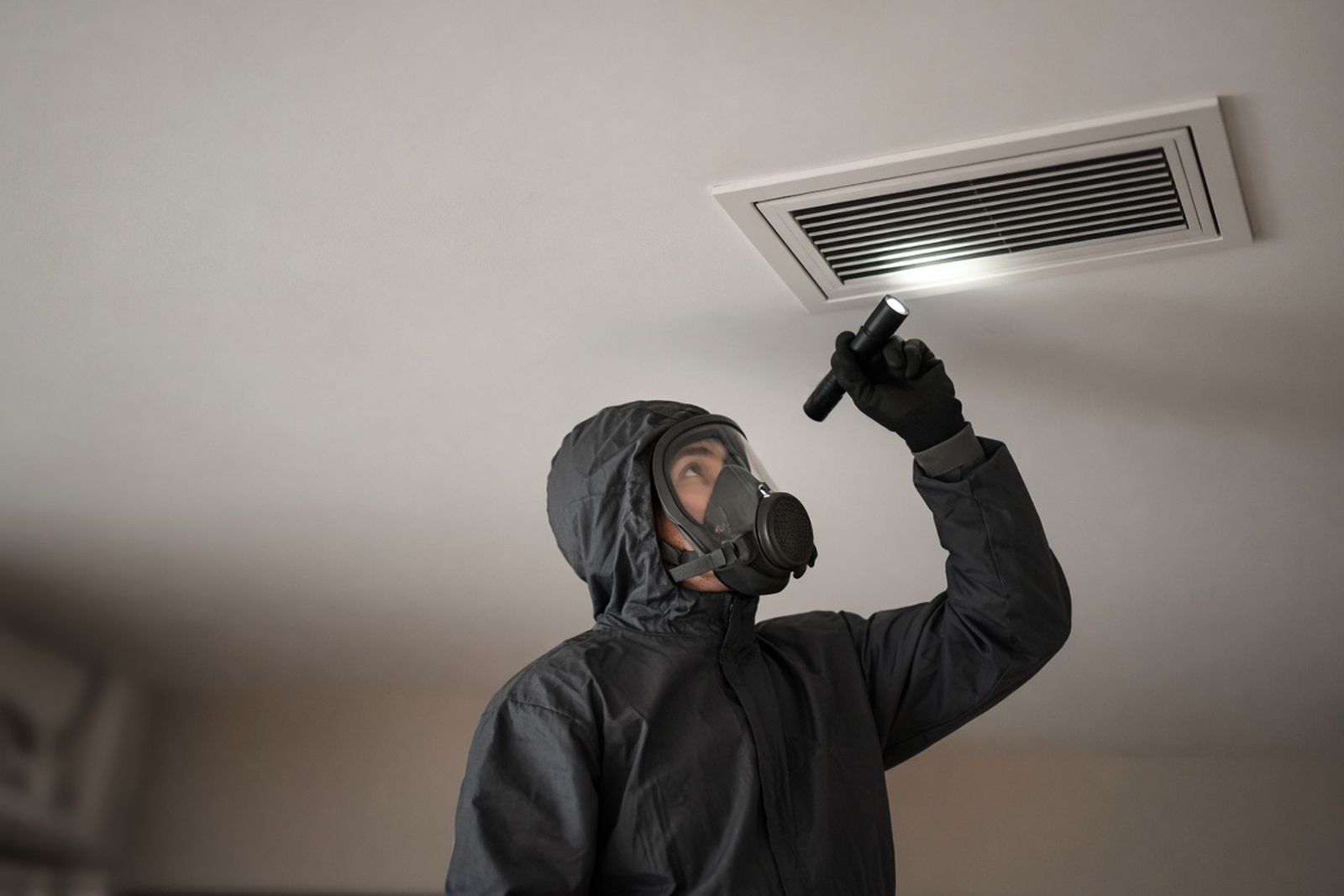
Because a smell you cannot trace could be almost anything. It could be a dead animal in a wall, a gas or chemical problem, or hidden mold. Treating the air without knowing the cause can hide a hazard and delay finding it. Professionals have inspection cameras, moisture meters, and UV tools for just this case. Once the source is known, many of the later tasks become fine to do yourself.
I want to rent an ozone generator. Does the check allow that?
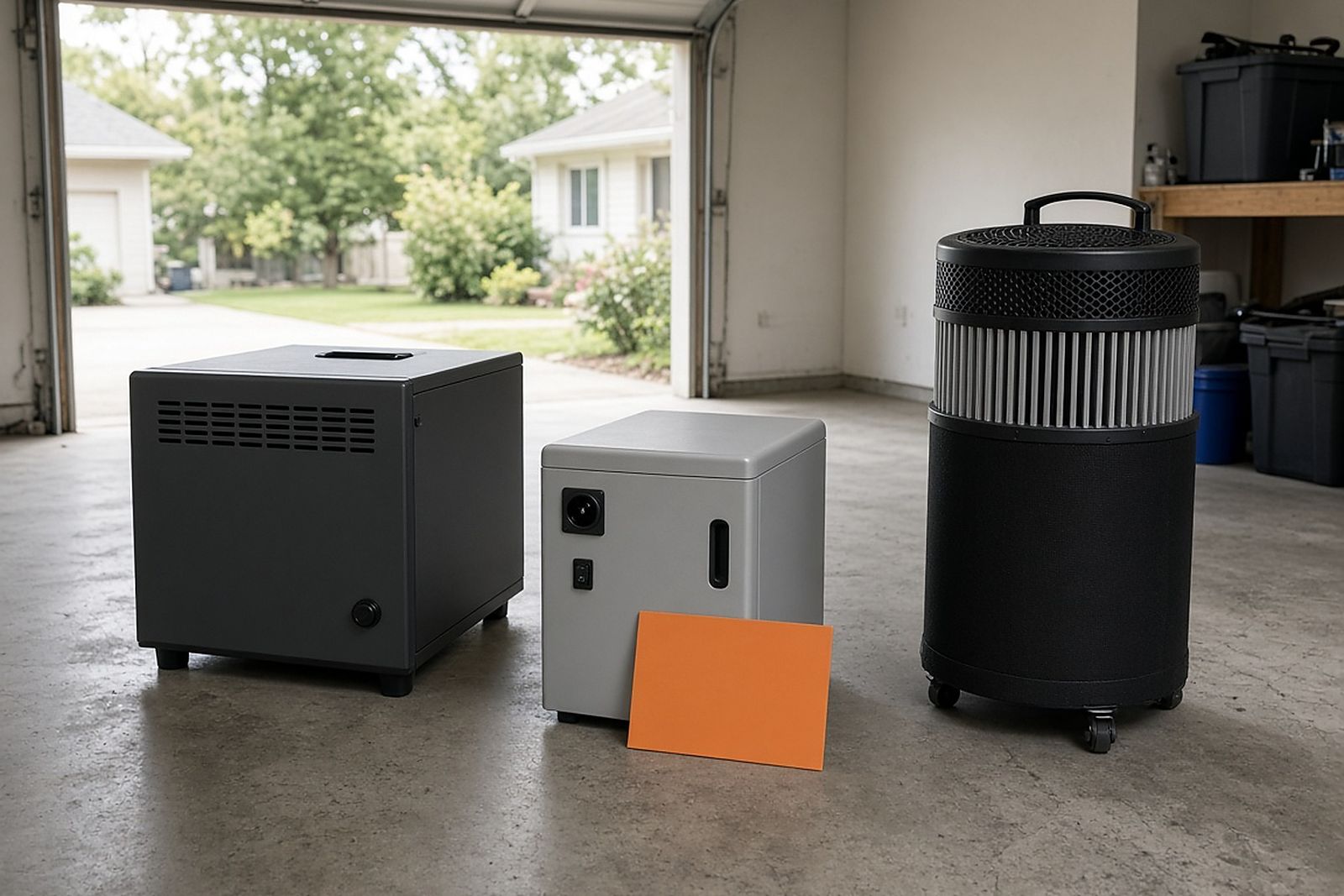
The check will flag it as a factor that raises risk. Ozone irritates the lungs. It must be used in an empty space, and the space must be aired out before anyone returns. It can also damage rubber and some plastics. And it does nothing for a source buried in soft material. If you go ahead, follow the maker's rules on leaving the space and airing it out exactly. Keep pets and plants out.
Can I do part of the job myself and hire out the rest?
Often that is the sensible split. Homeowners often remove soft items that can be washed, air out the space, change filters, and clear the room. Meanwhile, a provider finds the source, removes material, and handles any air treatment. Tell the provider what you have done and what you plan to do so the scope reflects it. The risk check helps you see which tasks fall on the safe side of that line.
The check says low risk but the smell keeps returning. What did I miss?
Most likely the source question. A low-risk result assumes your answers are right. A smell that comes back shows that the real source is deeper, or somewhere other than you thought. Run the check again, and this time answer that the source is not certain. See how the result changes. An odor that returns after fair cleaning is one of the clearest signs that you need to look for the source, not buy more product.
Does a rental property change the answer?
It can. Tenants generally should not remove flooring, cut drywall, or run machines that affect other units without the owner's OK. Landlord-tenant rules vary by state and county, so check with the local office. The check treats work on the building itself, or on shared parts of it, as a reason to bring in the owner or manager. They can approve a provider and deal with sources outside your unit.
Should I rerun the check if my situation changes partway through?
Yes. New facts can change the risk level. Run the check again with new answers if you lift carpet and find a stained subfloor. Do the same if you notice a musty smell after cleaning, or if someone in the home starts to feel sick. The same goes if you decide to use a machine you had not planned on. A result that was low risk at the start may no longer fit what you are dealing with.
How should I use the result with others in my household?
Share the explanation, not just the risk level, so everyone understands why a step is or is not a good idea. That helps when people in the home disagree about whether to try another spray or call a provider. If the result points to professional help, agree on who will make calls and keep notes. If it points to DIY, agree on the steps, the products, and when to check again.
Related community polls
Every count is a real visitor vote; nothing is seeded or padded. One vote per poll per device, and you can change your answer.
When a persistent smell first appeared in your home, what did you try first?
How long did you live with a recurring odor before seeking outside help?
Other odor removal tools
Cost Range Estimator
Set the affected area, surface types, severity and extras to see an educational cost range and the factors that move it.
OpenProvider Vetting Checklist
Fifteen questions to ask any remediation provider, a readiness score, and a copyable list of what is still unanswered.
OpenInsurance Claim Organizer
A guided checklist from finding the policy to tracking the carrier decision, with a printable summary of where the claim stands.
OpenFirst 24 Hours Planner
Tell the planner a few facts about the situation and get an ordered list of who to call, what not to touch, and what to photograph.
OpenWaste & Disposal Classifier
Five questions about the material point to the likely waste category and which authority to confirm the rules with.
OpenMore on odor removal
Odor Removal services
See how professionals trace death, pet, smoke, sewage, and musty odors to their source and remove it before any air treatment begins.
Costs explained
What drives the price, published cost ranges, and how to read a written quote line by line.
Insurance and payment
Which policies may respond, how to document a claim, and what to do if coverage is denied.
Community polls
See how other homeowners, renters, and landlords handled stubborn smells, what they tried first, and how they knew when an odor was really gone.
Knowledge quiz
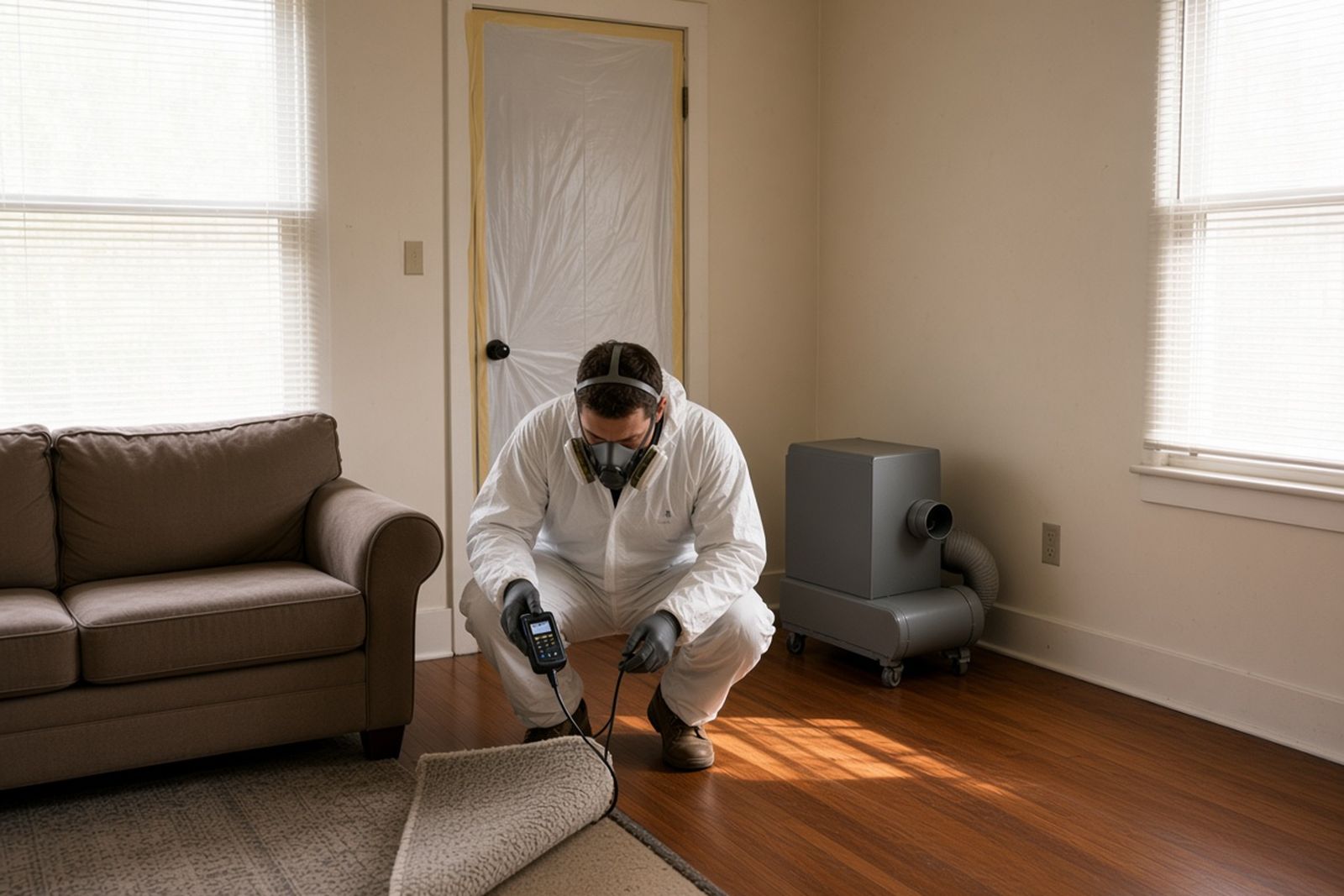
Test what you know about where odors hide, safe use of air machines, how ducts spread smells, and why covering a smell is not the same as removing it.
Articles and resources
Read useful articles on humidity and returning odors, rental turnovers after smoking, skunk and sewage cleanup, and when a smell is a health warning.