Free odor removal tool
Odor Removal Insurance Claim Organizer
A guided checklist from finding the policy to tracking the carrier decision, with a printable summary of where the claim stands.
Whether odor work can be claimed depends almost fully on what caused the smell. Odor that follows a covered event is often handled as part of that larger claim. Examples are a fire, some sudden water losses, or a death or injury that led to biohazard cleanup. Odor that built up over time is usually treated as upkeep, wear, or tenant damage, and is not covered. Years of pet accidents or indoor smoking are examples. The policy wording decides, not how strong the smell is. This organizer walks you through the steps. Find your policy. Name the cause of loss. Give notice. Record the source. Get a written scope. Track the insurer's decision. It includes a progress checklist and a printable summary.
The organizer does not predict whether your claim will be approved. The network has no ties to any insurer. What it does is keep you from losing a claim you could have made because your records were a mess. Adjusters doubt bills that only say "deodorizing." So the steps stress photos of the source, moisture readings, and a scope that keeps removal apart from machine time. If you have a renters, landlord, or condo policy, the same steps apply, but the coverage limits differ. Read the declarations page. If the loss involves a shared building, also work with the association's master policy. Keep every message from the insurer in the log, even ones that seem routine.
How to use it
- 1Find your policy papers. Note the policy number, the coverage type, and the deductible before you make any calls.
- 2Name the event that caused the odor. Be honest about whether it was sudden or slow, since that shapes the claim.
- 3Tell the insurer soon. Write down the claim number and the adjuster's contact details, and log every talk.
- 4Gather photos of the source and a written scope from a provider. Then track each insurer decision and deadline in the checklist.
Prefer to ask a person?
Your request is sent to the follow-up inbox. A coordinator can reply by email. Not for emergencies; call 911 first if anyone is in danger.
Organize an insurance claim
Odor Removal insurance claim organizer
A checklist to keep the claim orderly. It stores nothing on our servers; copy the summary to your own notes.
0 of 18 steps recorded (0%)
Print or paste the summary into your own records. Coverage is the carrier's decision under the policy; keep every answer in writing.
A worked example
Think of a family whose kitchen fire was put out fast. It left little damage to the building, but a smoke smell filled the house and got worse whenever the furnace ran. They open the organizer and start with their homeowners policy. They note the number and deductible. Under cause of loss, they pick fire, a sudden covered event. They call the insurer the same day, get a claim number, and record the adjuster's name in the log. In the records step, they photograph the soot film in the kitchen and the stained furnace filter. They also photograph residue inside the return duct that a provider pointed out during the walk-through. The provider sends a scope that lists residue cleaning, cleaning of belongings, filter and duct work, and a hydroxyl treatment phase as separate lines. It also notes that the house will be aired out and checked again before the family returns. The organizer's checklist tracks the adjuster's visit, the request for the scope, and the written reply. When the insurer questions the machine line, the family already has photos of the source and the itemized scope. These explain what the machines were treating. The printable summary becomes the cover sheet of their claim file.
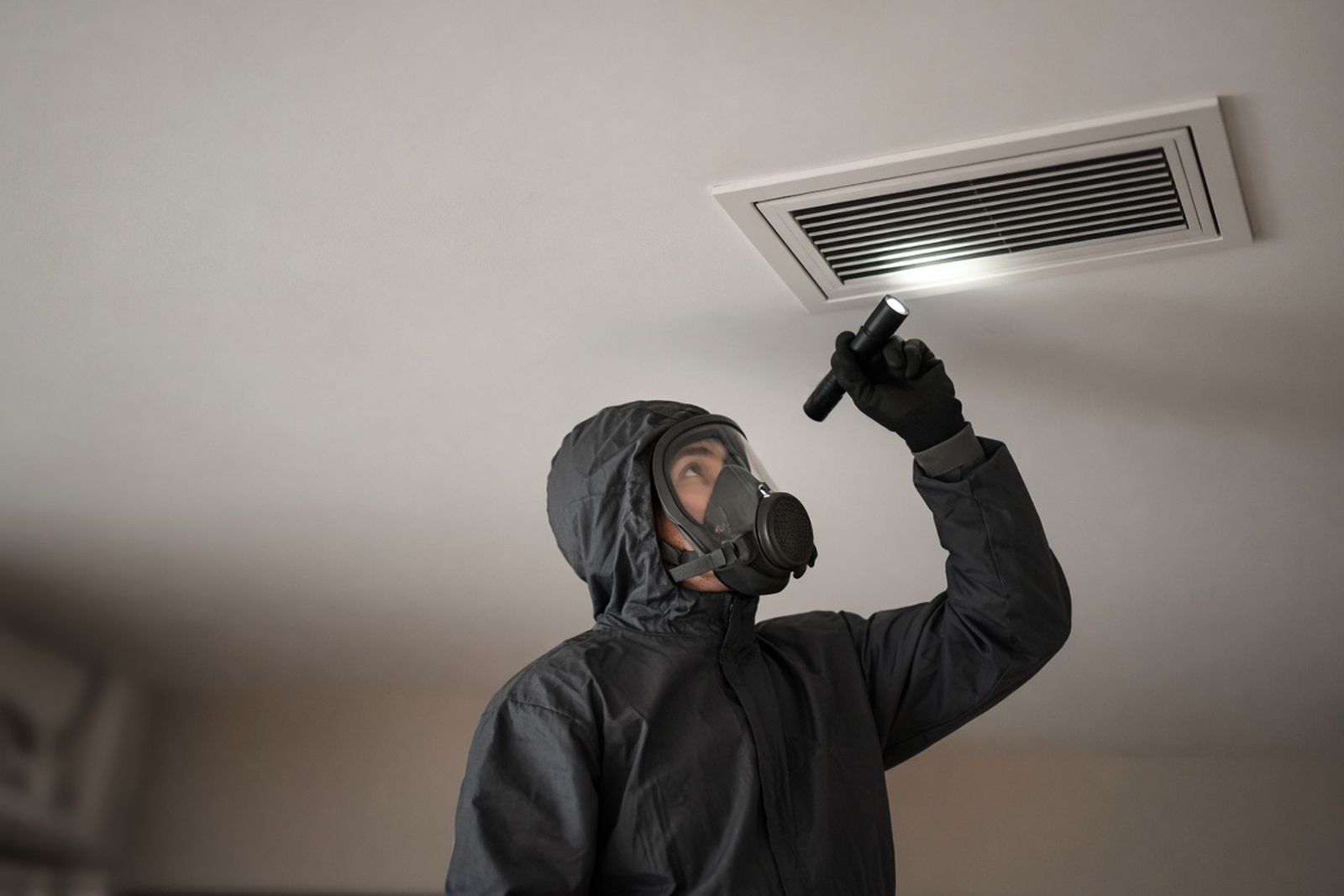
Numbers behind claim organizer decisions
- $300-$600 per floor
Fixr prices ozone treatment for smoke damage at $300 to $600 per floor and thermal fogging at $200 to $550 per floor.
Read with care: Per-floor pricing varies with square footage, severity, and whether contents are treated.
Source: Fixr (2025)US national estimate updated January 31, 2025
- $27,477
HomeAdvisor lists fire and smoke remediation at a national average of $27,477, with smoke odor treatments such as ozone at $400 to $800 and thermal fogging at $200 to $600.
Read with care: The average includes structural fire repair and soot cleanup, far beyond odor-only jobs.
Source: HomeAdvisor (2026)US national estimate, typical range $3,083 to $52,031
- $5,000
A UCLA survey of California apartment operators found smoking-related costs for recently vacated units averaged nearly $5,000 per year, with a median of $2,000.
Read with care: Self-reported by a small subset of California landlords over a decade ago; costs are not inflation adjusted.
Source: UCLA Health / American Journal of Public Health (2011)343 California Apartment Association members, 22.4% response rate
- $650
Fixr reports a national average pet odor removal cost of $650, with most homeowners paying $500 to $800 and enzyme cleaning running $30 to $40 per room.
Read with care: Cost-guide estimates, not surveyed invoices; severe subfloor cases can exceed $1,250.
Source: Fixr (2025)US national estimate updated January 31, 2025
These figures are public research and agency data, not this network's own job records. Keep each number with its population, year and limits; none of them predicts cost, timing or outcome at a specific property.
Insurance Claim Organizer questions for odor removal
My smell is from a long-term pet problem. Is it worth filing?
Usually, a slow problem like years of pet accidents is excluded as upkeep or wear, and filing may not help. Read your policy for wording about slow damage and animal damage. If you are a landlord, the tenant's deposit and the lease are more likely to be the way to recover costs. Rules on deposits vary by state and county, so check with the local office. The organizer still helps you record the loss for those uses.
The odor followed a death in the home. Which claim does it belong to?
Usually the odor work is part of the biohazard cleanup claim, not a separate odor claim. That is because the smell is a sign of the contamination. Work with the trauma or unattended-death cleanup provider. Make sure the scope records source removal first, and odor treatment as a phase of the same job. Keeping them in one claim with clear line items keeps the adjuster from seeing a deodorizing bill with no explanation.
What documentation do adjusters actually want for odor?
They want to see the source. Photos of residue, soaked materials, and affected filters or ducts count for more than a description of the smell. They also want a scope that keeps material removal, cleaning, machines, and rebuild separate. It should include the provider's notes on why each step was needed. A moisture reading, or a before-and-after photo of removed material, can settle a question that a paragraph cannot.
Can I start the odor work before the adjuster responds?
You can usually take fair steps to prevent more damage. Airing out the space or removing soft items that can be washed often counts. Major removal work done before the adjuster inspects can lead to disputes. So photograph everything first, and keep removed materials for the adjuster to see if you can. Ask the insurer what it expects before you approve any tear-out, and record the answer in the organizer's log.
The carrier approved cleaning but not the air treatment. What now?
Ask for the reason in writing. Have your provider explain, also in writing, what the treatment phase fixes that cleaning does not. Often the problem is that the machine line was not tied to a recorded source. If the explanation does not change the decision, you can ask for a supervisor review. Or you can use your state insurance department's complaint process. Steps vary by state, so check with that office.
Can I use the organizer if I am a renter rather than the owner?
Yes, for your own belongings. If a covered event like a fire left a smoke smell in your clothes, furniture, or electronics, your renters policy may be the one to track. Use the organizer to log your claim, photos, and estimates for cleaning your belongings. Tell your landlord on their own about odor in the building itself. Walls, floors, and ducts usually fall under the owner's policy.
Should I track odor costs separately from other repairs in the same claim?
It helps. Keep odor items on their own lines. These include residue cleaning, sealing, duct work, deodorizing belongings, and air treatment. That makes it easier to see what the adjuster approved, questioned, or denied. Ask your provider to list odor work separately in the scope. Enter each line in the organizer so you can follow up on specific items, not just one total.
Related community polls
Every count is a real visitor vote; nothing is seeded or padded. One vote per poll per device, and you can change your answer.
When a persistent smell first appeared in your home, what did you try first?
How long did you live with a recurring odor before seeking outside help?
Other odor removal tools
Cost Range Estimator
Set the affected area, surface types, severity and extras to see an educational cost range and the factors that move it.
OpenProvider Vetting Checklist
Fifteen questions to ask any remediation provider, a readiness score, and a copyable list of what is still unanswered.
OpenFirst 24 Hours Planner
Tell the planner a few facts about the situation and get an ordered list of who to call, what not to touch, and what to photograph.
OpenWaste & Disposal Classifier
Five questions about the material point to the likely waste category and which authority to confirm the rules with.
OpenDIY or Call a Pro? Risk Check
Eight yes-or-no questions that produce a risk level and explain when professional help is the safer choice.
OpenMore on odor removal
Odor Removal services
See how professionals trace death, pet, smoke, sewage, and musty odors to their source and remove it before any air treatment begins.
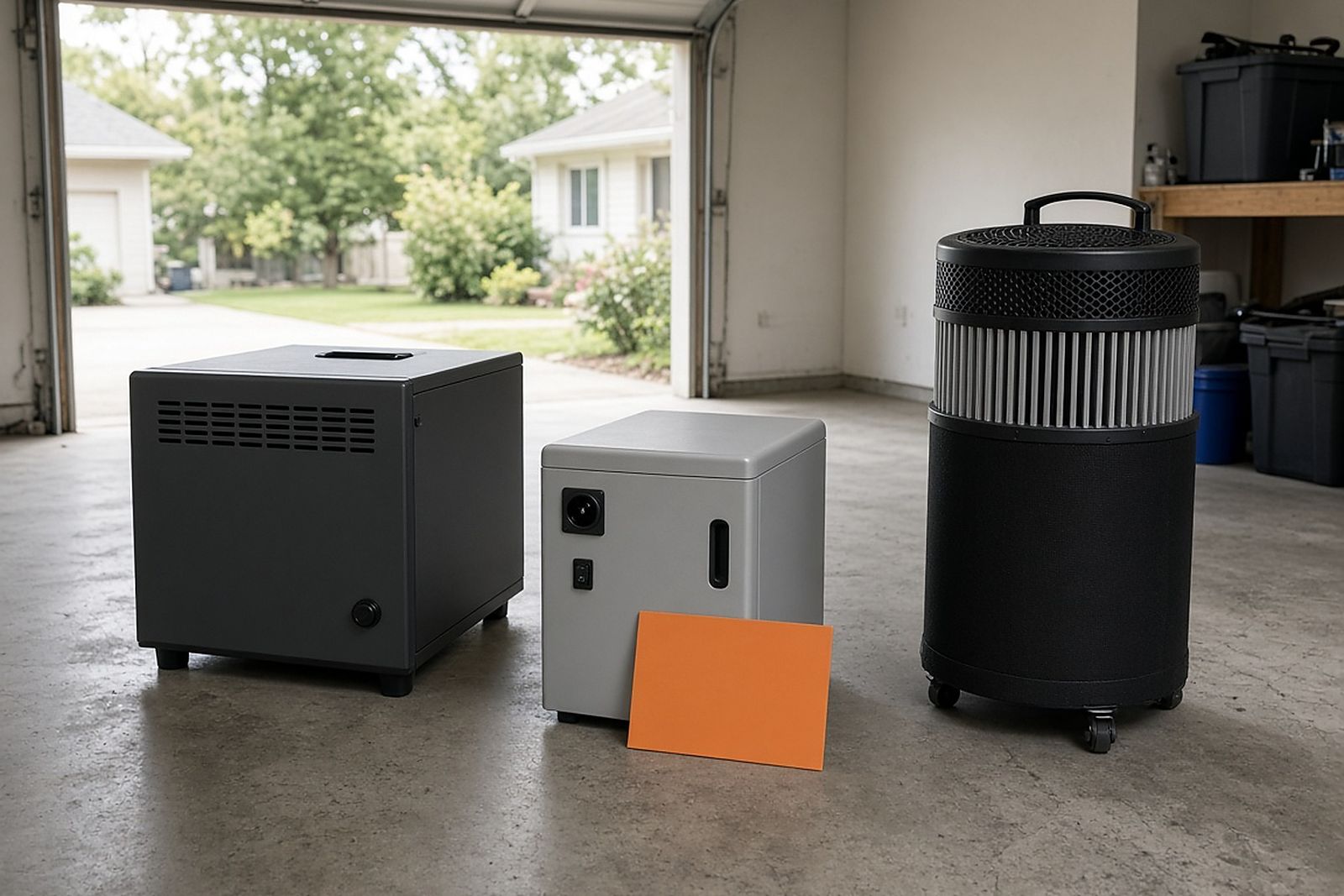
Costs explained
What drives the price, published cost ranges, and how to read a written quote line by line.
Insurance and payment
Which policies may respond, how to document a claim, and what to do if coverage is denied.
Community polls
See how other homeowners, renters, and landlords handled stubborn smells, what they tried first, and how they knew when an odor was really gone.
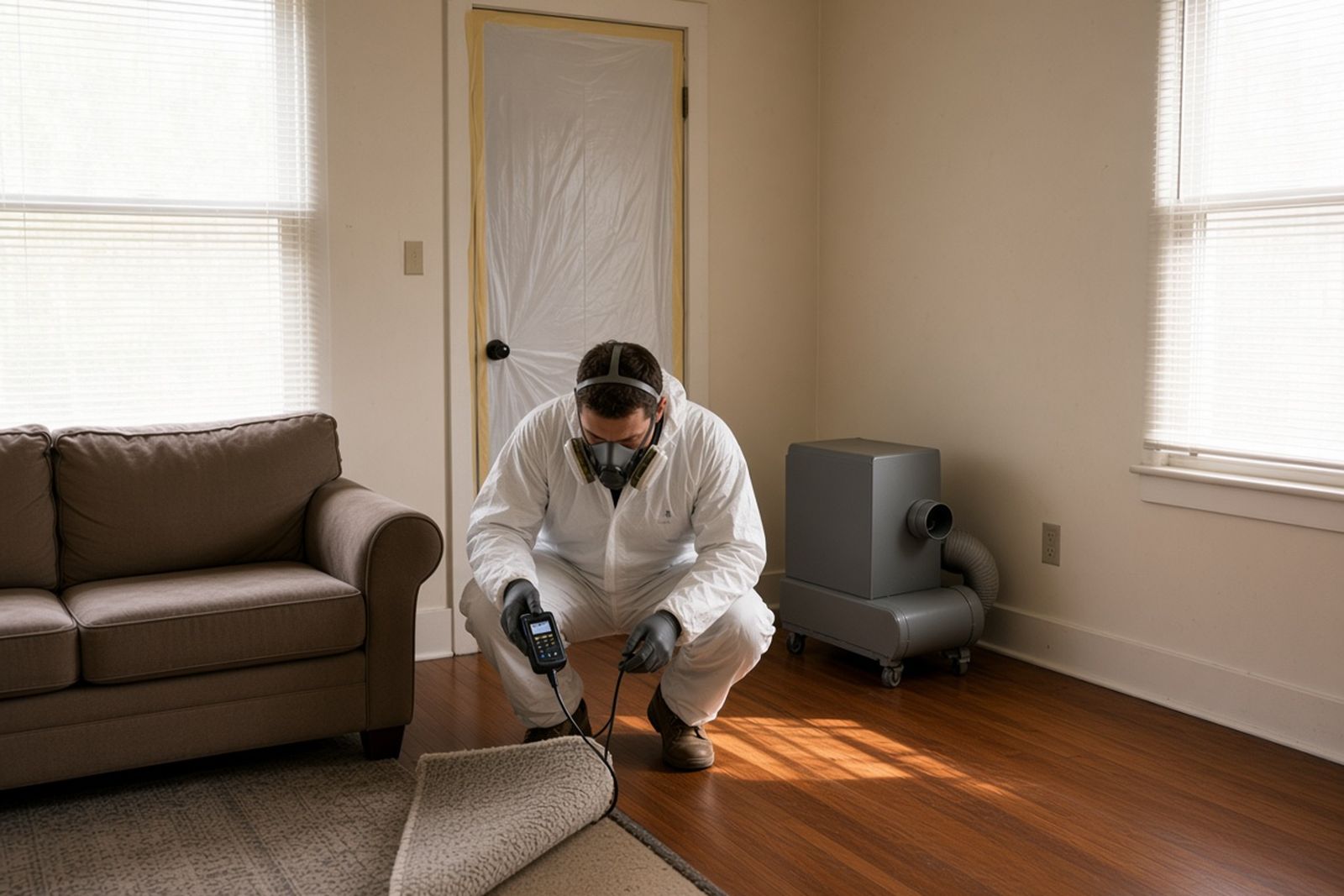
Knowledge quiz
Test what you know about where odors hide, safe use of air machines, how ducts spread smells, and why covering a smell is not the same as removing it.
Articles and resources
Read useful articles on humidity and returning odors, rental turnovers after smoking, skunk and sewage cleanup, and when a smell is a health warning.