Odor Removal: Process & What to Expect
Property-specific walkthroughs for odor removal: assessment, scope approval, hazard controls, material decisions, documentation, verification, and restoration handoff. Not every phase applies to every incident.
Posts in this category walk you through a professional odor job, from the first inspection to the final sniff test. They explain how workers trace a smell with moisture meters, UV lights, and checks of the heating and cooling system. They explain why pad, trim, or drywall sometimes must come out before any deodorizing begins. They also show how air treatments like hydroxyl or ozone fit in near the end. Other articles cover how long different jobs usually take. They also cover what to do in the first hours after you notice a strong smell. That includes airing out safely and avoiding scented sprays that make the cause harder to find.
Get an email reply about odor removal
Send a short message to the follow-up inbox. A coordinator can reply by email. This form does not send emergency help; call 911 first if anyone is in danger.
Knowing the order of work helps you make good choices along the way. You may be asked whether to keep a stained rug, approve removing a baseboard, or leave home while ozone runs. It helps to know why the source must be removed first. It also helps to know why a follow-up visit after humid weather matters. Then you can judge progress fairly. You will not expect one machine run to erase a problem that built up in materials over months or years. It also gets you ready for the practical side. You may need to move a pet to a friend's house for a day or keep windows shut while machines run. That way the schedule does not catch your home off guard.
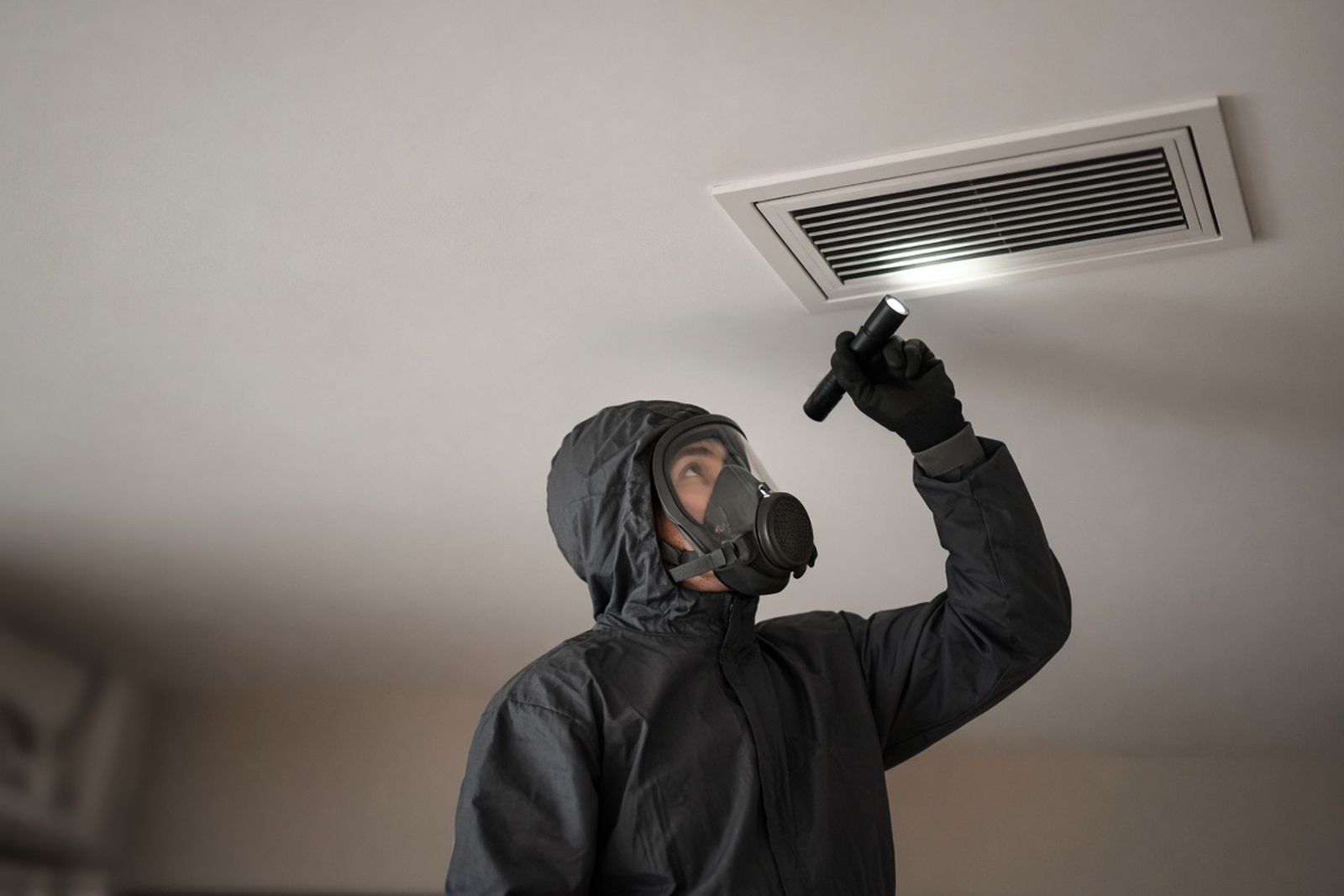
What to Expect During Professional Odor Removal
A professional odor job moves from investigation to source removal, sealing, air treatment, and verification. Here is what each stage looks like at home.
Expect a professional odor removal job to start with investigation, not machines. The technician traces the smell to its source, explains what must be removed or cleaned, and writes a scope. Then comes source removal, cleaning and sealing of affected surfaces, air treatment if needed, and a verification step to confirm the odor is gone once the home returns to normal use.
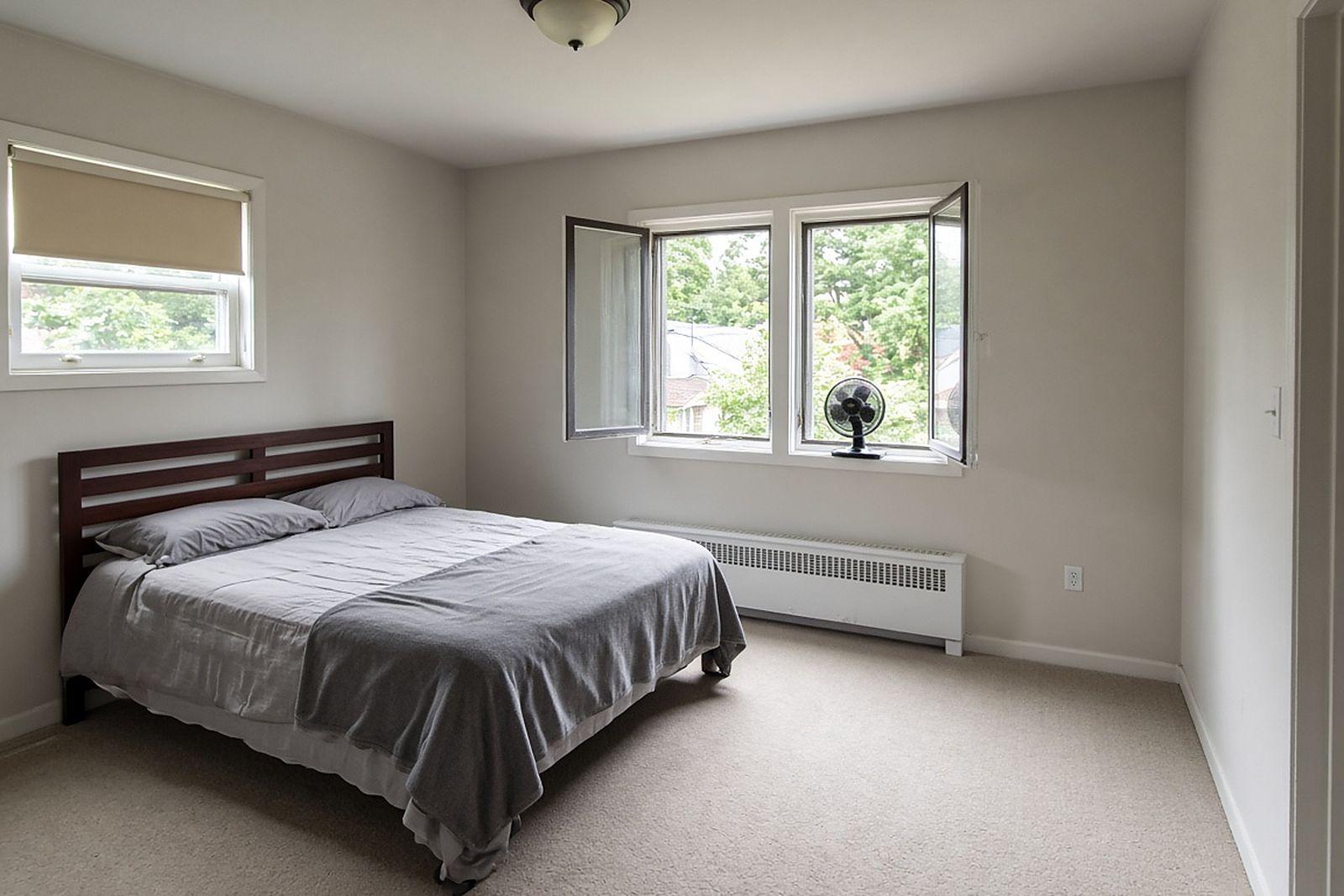
How Long Does Odor Removal Take?
Odor jobs range from one visit to several weeks. See how the source, materials, drying, sealing, and verification each add time to professional odor removal.
Odor removal can take anywhere from a single visit to several weeks. A contained source on hard surfaces may clear in a day. Saturated flooring, smoke residue throughout a home, or a source hidden inside a wall adds demolition, drying, sealing, and repeat treatments. Verification under warm or humid conditions often adds a final waiting period before you can be confident the smell is gone.
Urgent Odor Removal: What to Do Before a Provider Arrives
A sudden, strong smell can be a safety warning. Learn what to do first for gas, sewer, death, and fire odors, and what to leave alone until help arrives.
When a strong odor appears suddenly, treat it as a safety question before a cleaning one. Leave and call for help if you smell gas, feel ill, or suspect a death. Otherwise, ventilate if safe, keep people and pets away from the source, avoid masking products, photograph what you see, and write down when the smell started so a provider can trace it quickly.
Sourced figures on process & what to expect
- 60%
Dust nicotine loading fell about 60% immediately after cleaning.
Read with care: Nicotine markers, not odor scores or disease outcomes; continuing smoke intrusion possible.
Source: Matt et al. (2021)48 homes with strict indoor smoking bans assigned to cleaning sequences.
- 2 months
A 2011 Tobacco Control study found thirdhand smoke residue persisted in former smokers' homes even after two months vacant plus cleaning and preparation for new residents.
Read with care: Small regional sample and standard turnover cleaning, not professional odor remediation.
Source: Tobacco Control (BMJ) (2011)San Diego area; 100 smoker and 50 nonsmoker homes measured before and after turnover
- 2 to 5 times
EPA reports that levels of several organic compounds average 2 to 5 times higher indoors than outdoors, and some VOCs run up to ten times higher indoors.
Read with care: A general indoor-air finding not specific to odor-affected homes or any particular contaminant.
Source: EPA (2024)US homes; EPA summary of indoor air research
These figures are public research and agency data, not this network's own job records. Keep each number with its population, year and limits; none of them predicts cost, timing or outcome at a specific property.
What research has found
Findings from published studies of people and properties in situations like this one. They describe what researchers observed in a specific group; they are not predictions for your case.
Air quality improved immediately after the smoking ban.
The protocols did not permanently eliminate tobacco-smoke residue.
Process & What to Expect: common questions
Why does the provider remove materials before treating the air?
Air treatments cut down odor chemicals in the air and on surfaces that are open to the air. But they cannot reach sources soaked deep in pad, subfloor, or the spaces inside walls. If those sources stay, the smell comes back once the machines stop. Removing or cleaning the source first lets air treatment deal with the leftover odor, instead of fighting a supply that keeps coming.
Should I clean or spray air freshener before the provider arrives?
It is better to hold off. Fragrances and cleaners can mask the smell and make the source harder to find, and some cleaning products react with residues or set stains. Ventilate if it is safe, keep pets out of affected rooms, and describe to the provider what you have already tried.
How will I know the odor work is finished?
Ask for a final note that lists source removal apart from air treatment. It should list the materials removed and the products used, and describe the final odor check. Plan a recheck after a humid spell or when heating or cooling runs a lot. If the smell comes back, contact the provider soon and describe the conditions when you noticed it.
How much of the home will be disrupted during a typical odor job?
It depends on how far the source spread. A source that stays in one spot may affect a single room for a short time. Smoke residue or soaked flooring across several rooms can close off large parts of the home. Ask the provider which rooms will be off limits, for how long, and whether any treatment needs the whole home to be empty. Plan where people will sleep and who will care for pets around that schedule.
What happens if the provider finds more damage than expected?
A careful provider stops, photographs what they found, and explains what it means. They give you a written change before going on. You then decide whether to approve the extra work. Ask at the start how changes are handled and priced. Also ask whether there is a limit you must approve before extra work goes ahead. Keep each change with your scope of work and bills.
Can the odor work be done in phases to fit my budget or schedule?
Often, yes. The most important phase is usually removing or cleaning the source. That can be done first, with sealing, rebuild, and air treatment later. Doing it in phases works less well when rooms share air, since untreated areas can send odor back into finished ones. Ask the provider which steps can safely wait. Also ask what you should do to protect finished areas in between.
What should I do in the weeks after the job is finished?
Keep humidity under control and change the air filter as advised. Do not bring the source back, such as smoking indoors or leaving pet areas untreated. Pay attention to how the space smells after warm or humid days and after the house has been closed up. If you notice anything, write down the date and conditions. Contact the provider soon under any follow-up terms you agreed on.
Related community polls
Every count is a real visitor vote; nothing is seeded or padded. One vote per poll per device, and you can change your answer.
When a persistent smell first appeared in your home, what did you try first?
How long did you live with a recurring odor before seeking outside help?
More on odor removal
Odor Removal services
See how professionals trace death, pet, smoke, sewage, and musty odors to their source and remove it before any air treatment begins.
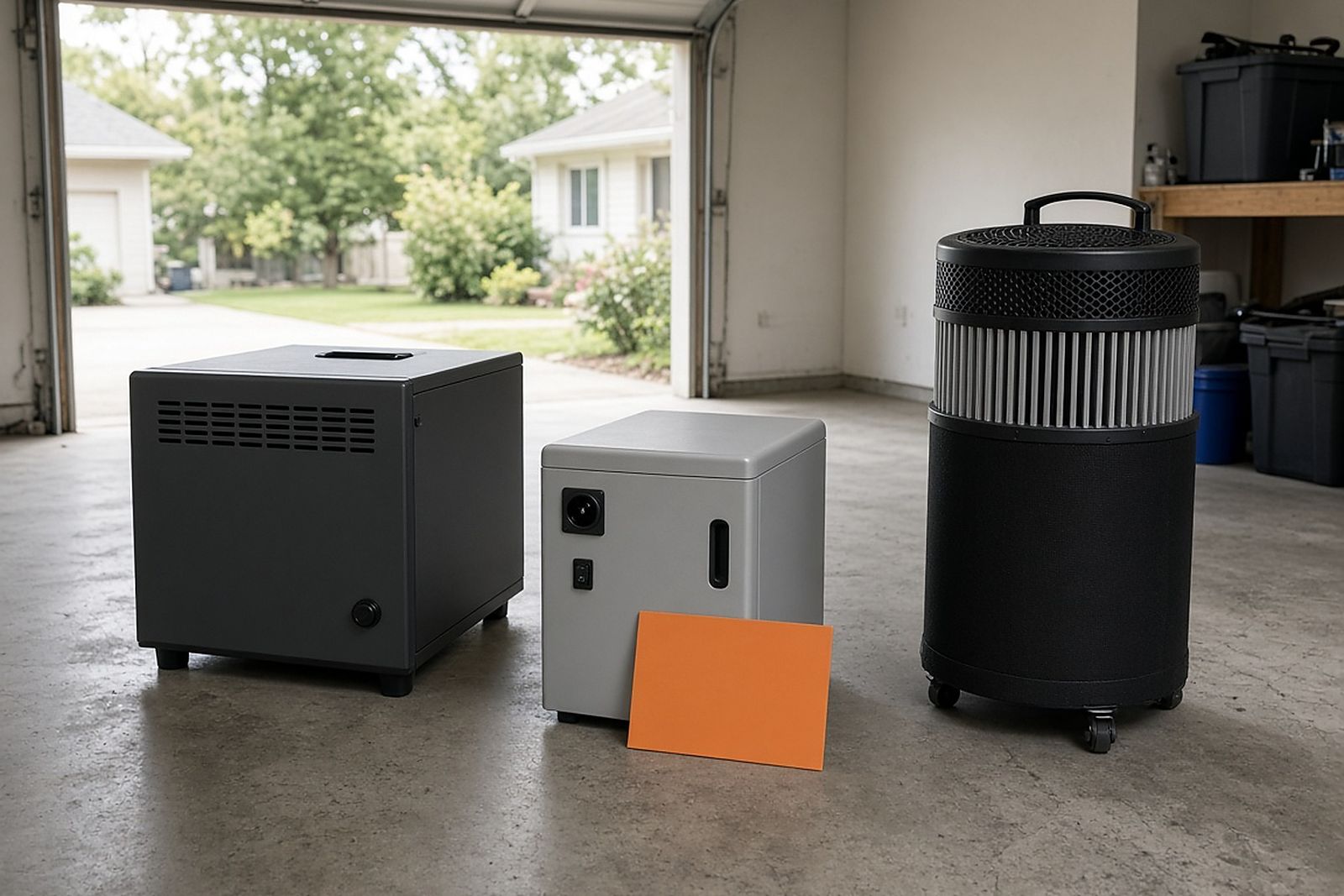
Costs explained
What drives the price, published cost ranges, and how to read a written quote line by line.
Insurance and payment
Which policies may respond, how to document a claim, and what to do if coverage is denied.
Planning tools
Estimate the job, check a provider, organize a claim, plan your first day, sort removed material, and decide if this odor job is safe to do yourself.
Community polls
See how other homeowners, renters, and landlords handled stubborn smells, what they tried first, and how they knew when an odor was really gone.
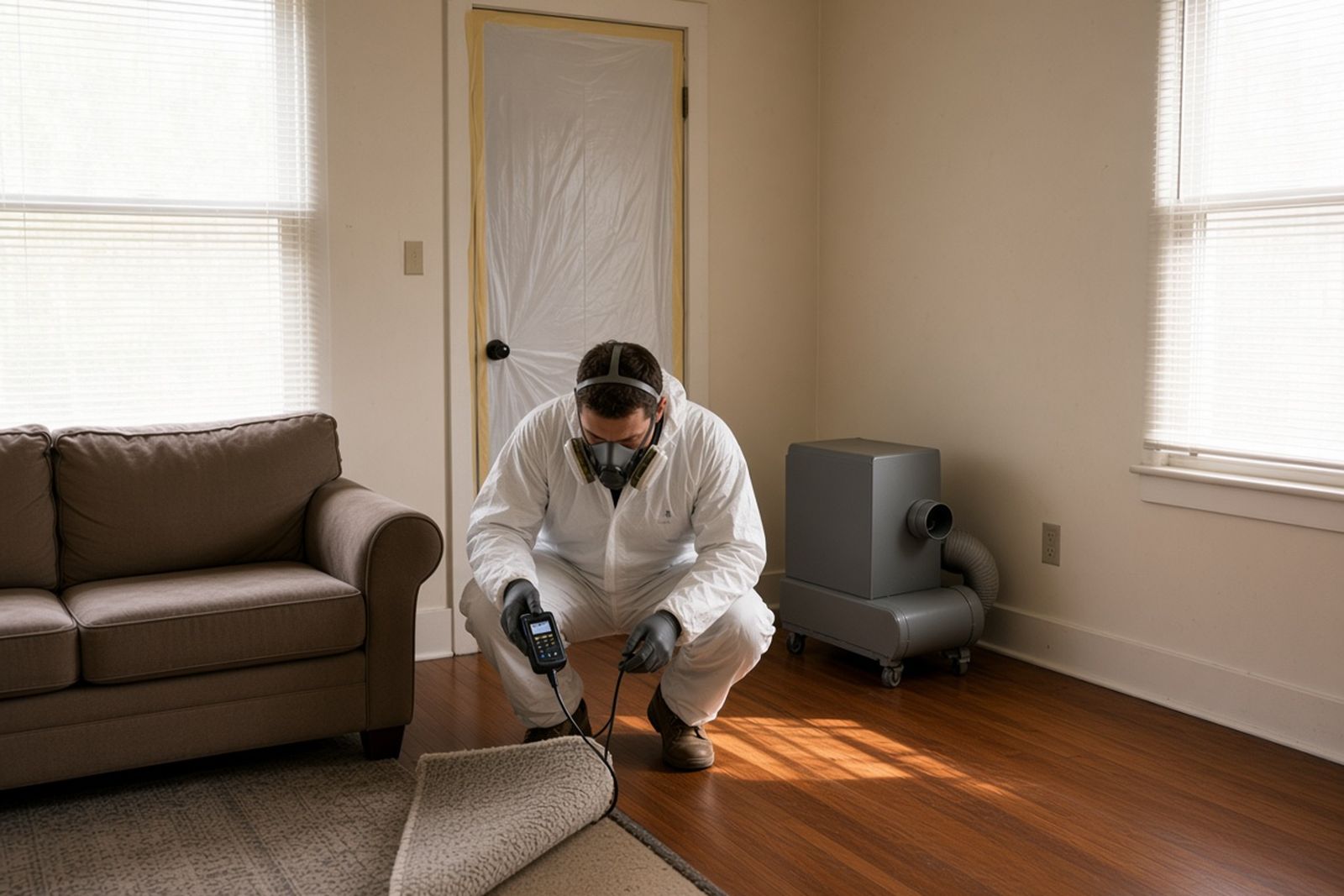
Knowledge quiz
Test what you know about where odors hide, safe use of air machines, how ducts spread smells, and why covering a smell is not the same as removing it.