Odor Removal: Regulations
How to identify the worker-safety, waste, transport, environmental, and local rules that may apply to odor removal. Confirm jurisdiction-specific requirements with the issuing authority.
The regulations category explains the rules that can apply to odor removal. That is true even though the work itself is rarely licensed as a separate trade. Posts cover OSHA rules for workers exposed to blood-borne germs, mold, or chemical products. They cover how waste from a death or sewage may be regulated, and when tear-out work calls for contractor registration or building permits. Other articles explain how to look up local rules for disposing of odor-soaked materials. They also explain how landlord-tenant rules may apply to smoke, pet, and sewage odors in rentals. Posts also touch on what you may need to tell a buyer when a home with a history of odor is sold.
Get an email reply about odor removal
Send a short message to the follow-up inbox. A coordinator can reply by email. This form does not send emergency help; call 911 first if anyone is in danger.
Knowing which rules apply helps you ask better questions and avoid surprises. Waste types, permits, and rental duties vary by state and city. So these posts focus on the offices to call and the papers to request. They do not list rules that may not apply to your address. That helps you spot a provider that ignores a real rule, and one that makes up a rule to justify extra charges. It also helps you keep records that matter later. Examples are a disposal receipt after a cleanup following a death, or a permit card after subfloor replacement. Those papers can answer questions from a buyer, tenant, or adjuster long after the smell is gone.

OSHA Regulations and Odor Removal
No OSHA rule is titled odor removal, yet ozone limits, respirator programs, bloodborne pathogen duties, and chemical labels all shape how odor crews work.
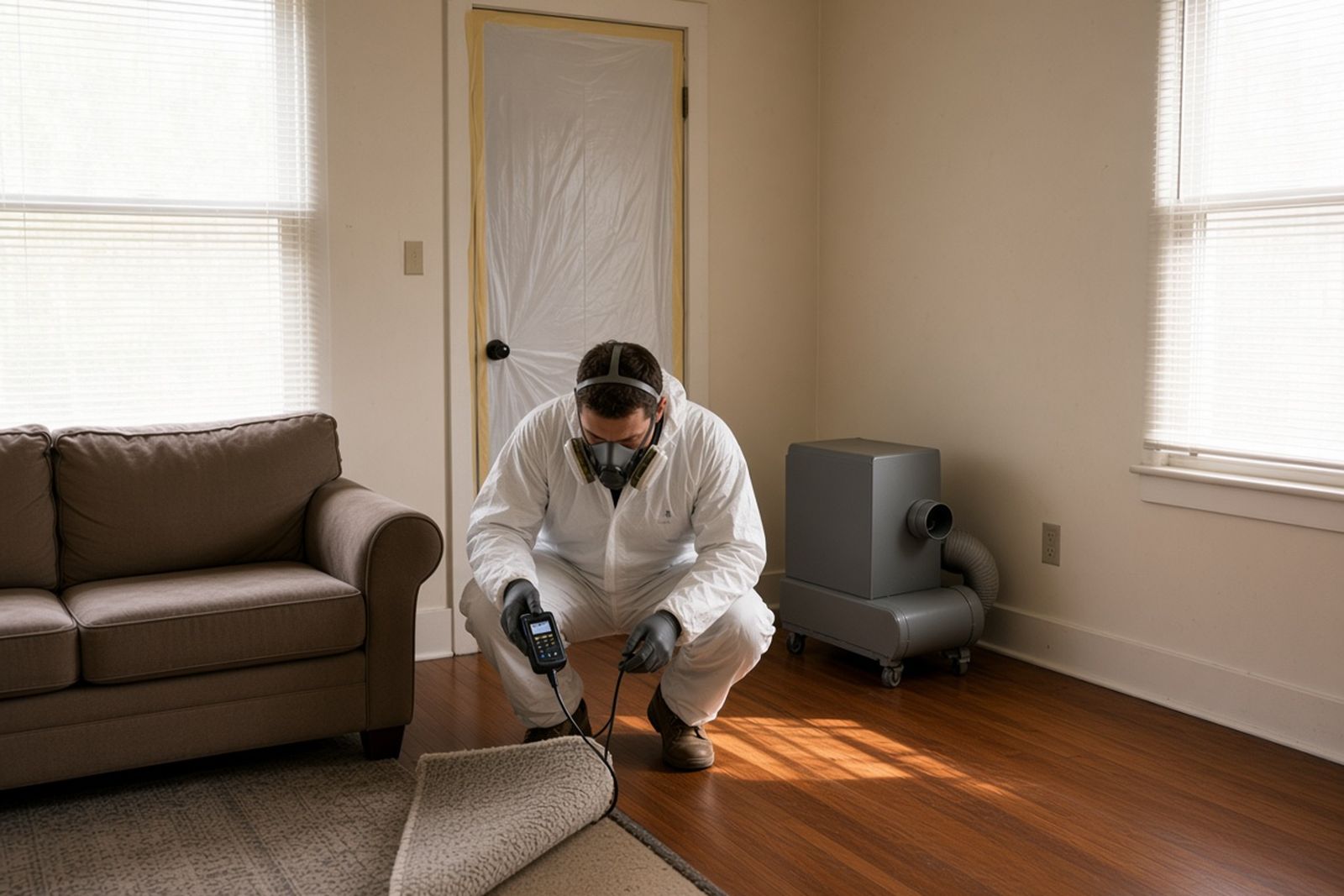
OSHA has no standard written specifically for odor removal. Instead, the work triggers general standards based on what the technician faces: bloodborne pathogens when the source involves body fluids, air contaminant limits for ozone and treatment chemicals, respiratory protection when respirators are needed, hazard communication for fogging solutions, and confined space rules for crawlspaces or pits. These rules protect workers; occupants rely on the company's re-entry procedures.
Which Federal, State, and Local Rules Apply to Odor Removal?
Odor work can touch pesticide labels, ozone device rules, lead paint limits, contractor licenses and smoke-free laws. Learn which layers apply to you.
No single law covers odor removal. Federal rules apply to the products used, such as registered disinfectants and ozone machines. They also apply to dangers the work stirs up, like lead paint in older homes. States may require contractor, mold or pesticide licenses. They also set waste rules and landlord-tenant rules. Local governments handle building permits, smoke-free housing laws and nuisance complaints. The source of the odor often decides which rules matter most.
How to Research Waste Rules for Odor Removal
Odor jobs leave carpet, drywall, filters, rinse water, and leftover sealers. Learn how to research which EPA, state, and local disposal rules apply to each.
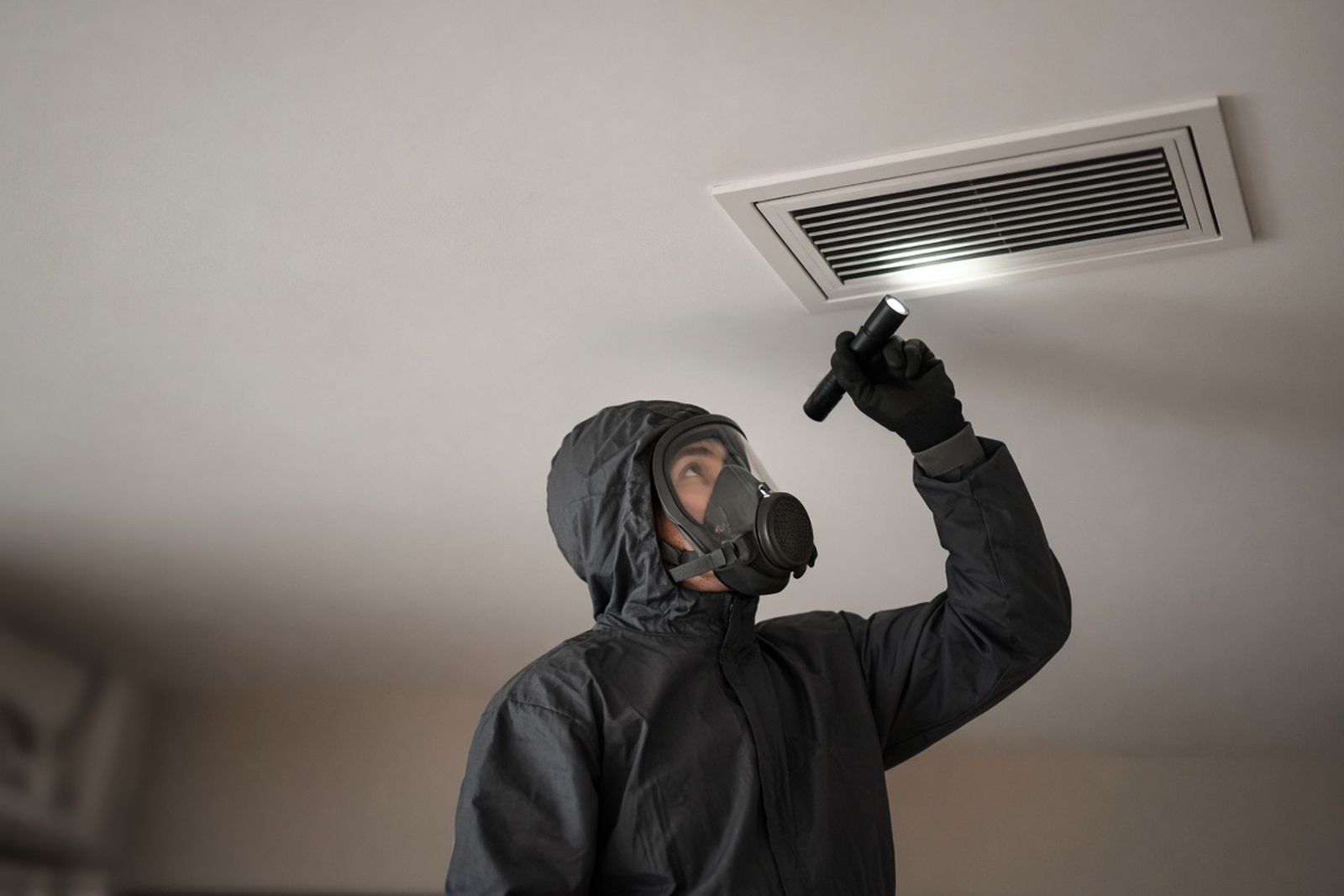
To research waste rules for odor removal, list what the job will throw away: carpet and pad, drywall, insulation, contents, filters, rinse water, and leftover chemicals. Most debris is ordinary solid or construction waste, but materials with body fluids, lead paint, asbestos, or unused solvent products can fall under stricter state or federal rules. Check your state agency, local landfill or transfer station, and sewer authority.
Sourced figures on regulations
- 2025
The first ANSI/IICRC S700 Standard for Professional Fire and Smoke Damage Restoration, which includes a dedicated fire and smoke odor management section, was published January 3, 2025.
Read with care: A voluntary standard; adherence is not legally required and contractors are not automatically certified to it.
Source: IICRC (2025)US and international restoration industry consensus standard
- 99.97%
EPA defines a HEPA filter as one that removes at least 99.97% of airborne particles at 0.3 microns, the most penetrating particle size.
Read with care: HEPA captures particles such as soot but does not remove gaseous odor molecules, which need carbon or oxidation.
Source: EPA (2024)US EPA definition for air filtration
- 50-60%
A Lawrence Berkeley National Laboratory study found activated carbon fiber filters removed 50 to 60% of most VOCs, rising to 70 to 80% with heated regeneration, but only 25 to 30% of formaldehyde.
Read with care: Engineered filter media under controlled conditions, not a portable consumer unit in a real home.
Source: Lawrence Berkeley National Laboratory / Building and Environment (2012)Laboratory and test-chamber study of ACF filter media
These figures are public research and agency data, not this network's own job records. Keep each number with its population, year and limits; none of them predicts cost, timing or outcome at a specific property.
What research has found
Findings from published studies of people and properties in situations like this one. They describe what researchers observed in a specific group; they are not predictions for your case.
Several broader symptom-score differences had confidence intervals including no association.
Greater odor acceptability was associated with higher well-being.
Regulations: common questions
Is odor removal a licensed trade?
Generally there is no special license for odor removal itself. But related work may be regulated. Tear-out work may need contractor registration. Handling body fluids brings OSHA rules on blood-borne germs for workers. And some waste may need a permitted hauler. Ask your state and local offices which rules apply to the work planned at your property.
How should materials soaked with body fluids be disposed of?
Rules vary by state. In some places, materials badly soaked with blood or other body fluids from a death must be handled as regulated medical waste. Items with only light soiling may be allowed in regular trash. Ask the provider how it sorts these materials. Then confirm with your state environment agency or local health department.
Do landlords have to fix smoke or pet odor before a new tenant moves in?
Rules on whether a unit is fit to live in, and what shape it must be in at move-in, differ by state and city. Lease terms also matter. Odors tied to sewage, mold, or pests are more likely to fall under those rules than leftover smoke or pet smell. Check with your local housing office or a tenant help center for the rules in your area.
Do I need a permit to replace flooring after odor removal?
Simple flooring replacement often does not need a permit, but rules vary. Work that involves subfloor, framing, pipes, or wiring may need one. Call your local building or code office, describe the planned work, and ask. Also check with your homeowners association or condo board, which may have its own approval steps. Keep any permits with your records for when you sell.
Are there rules about what odor providers can spray in my home?
Products that claim to kill germs or mold generally must be registered and used as their labels say. Those labels carry legal weight. Other deodorizing products still come with safety data sheets and label directions. You can ask to see labels and safety data sheets before any product is used. You can also say no to products that do not have them.
Where can I report an odor company that I believe acted improperly?
Start by raising the problem with the company in writing. If that does not fix it, your state attorney general or consumer protection office handles many complaints about home service businesses. If the work needed a contractor registration or permit, the licensing board or building department may help. Worker safety concerns can be raised with OSHA. Keep copies of your records.
Do condo or co-op rules affect odor removal work?
Often. Associations may control work hours, contractor insurance rules, use of elevators and hallways, and where dumpsters go. They may also control any work that touches shared walls, floors, or ducts. Some require notice to neighbors before treatments. Read your building's rules and contact the building manager before you schedule. Then the provider can plan around those rules and avoid delays.
Related community polls
Every count is a real visitor vote; nothing is seeded or padded. One vote per poll per device, and you can change your answer.
When a persistent smell first appeared in your home, what did you try first?
How long did you live with a recurring odor before seeking outside help?
More on odor removal
Odor Removal services
See how professionals trace death, pet, smoke, sewage, and musty odors to their source and remove it before any air treatment begins.
Costs explained
What drives the price, published cost ranges, and how to read a written quote line by line.
Insurance and payment
Which policies may respond, how to document a claim, and what to do if coverage is denied.
Planning tools
Estimate the job, check a provider, organize a claim, plan your first day, sort removed material, and decide if this odor job is safe to do yourself.
Community polls
See how other homeowners, renters, and landlords handled stubborn smells, what they tried first, and how they knew when an odor was really gone.
Knowledge quiz
Test what you know about where odors hide, safe use of air machines, how ducts spread smells, and why covering a smell is not the same as removing it.