Short answer
No single law covers odor removal. Federal rules apply to the products used, such as registered disinfectants and ozone machines. They also apply to dangers the work stirs up, like lead paint in older homes. States may require contractor, mold or pesticide licenses. They also set waste rules and landlord-tenant rules. Local governments handle building permits, smoke-free housing laws and nuisance complaints. The source of the odor often decides which rules matter most.
Is odor removal a licensed trade?
In most places, no license has the words "odor removal" on it. A company can often start offering odor removal without a state license for that service. That does not mean the work has no rules. It means the rules attach to what the company does along the way. They cover the chemicals it applies, the materials it tears out, the buildings it works in and the waste it hauls away.
A job that is just cleaning carpets and running an air scrubber may involve very few rules. Now take a job in a house built decades ago. It includes removing drywall, applying germ-killing products and getting rid of materials soiled by a body breaking down after death. That job can involve federal, state and local rules all at once.
Knowing the layers helps you ask better questions. It also helps you notice when an odor company is moving into work that needs a different kind of license. Examples are mold cleanup, general contracting or biohazard cleanup.
Federal rules on the products odor companies use
Under federal law, many odor products count as pesticides when they claim to kill or control bacteria, mold or other germs. Those products must be registered with EPA, and their labels carry legal weight. Using a registered product in a way its label does not allow breaks the rules. It is not just a bad habit.
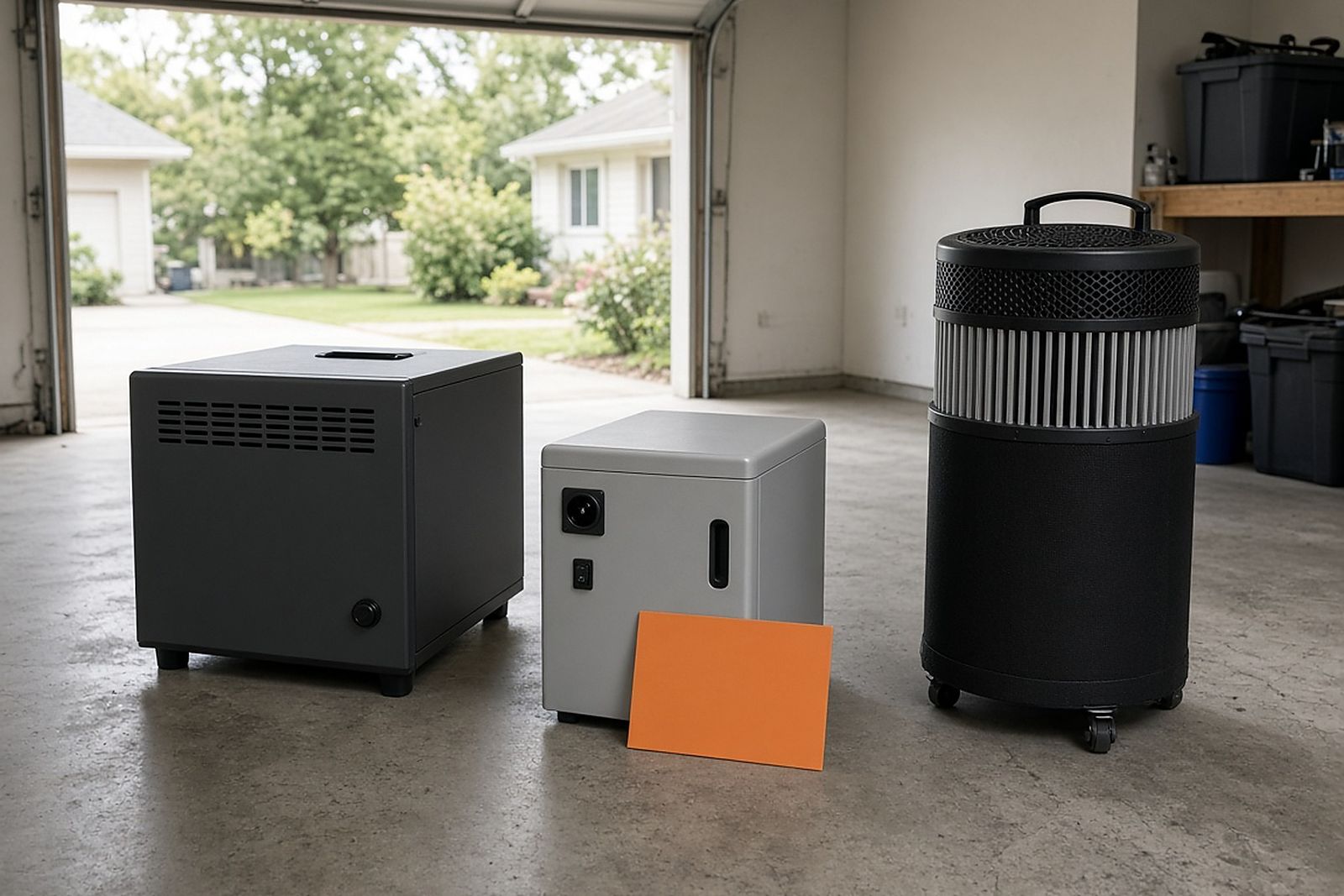
Ozone machines have their own history. FDA rule 21 CFR 801.415, as shown by Cornell LII in 2024, calls an ozone device adulterated if it makes ozone above 0.05 ppm in occupied closed spaces. Adulterated is the legal term for a device that fails FDA rules. That rule applies to devices sold as medical devices. Ozone machines sold to homes or businesses may fall outside it.
Ask to see the label of any germ-killing product before it is used in your home. The label names the germs the product is registered against and the surfaces it may be used on. It gives the required contact time, meaning how long it must stay wet, and any limits on going back in. Some companies cannot show you the label or use unlabeled products mixed in the shop. They are taking a risk with your property and maybe with the law.
Lead paint and asbestos
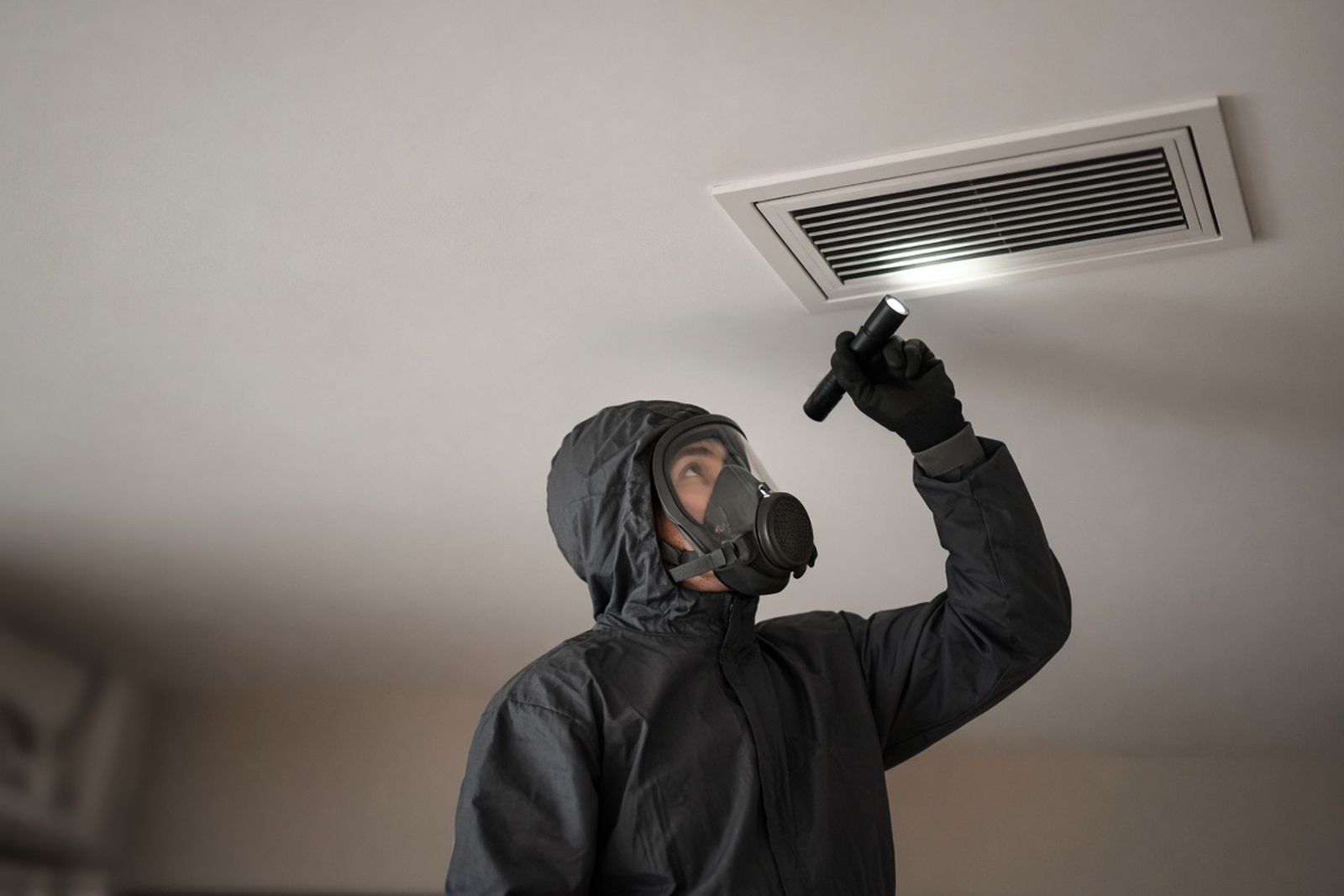
Removing odor sometimes means removing parts of a building. That might be drywall soaked by pet urine, trim coated in smoke residue or ceiling materials holding onto soot. In older homes, those surfaces may contain lead paint or asbestos.
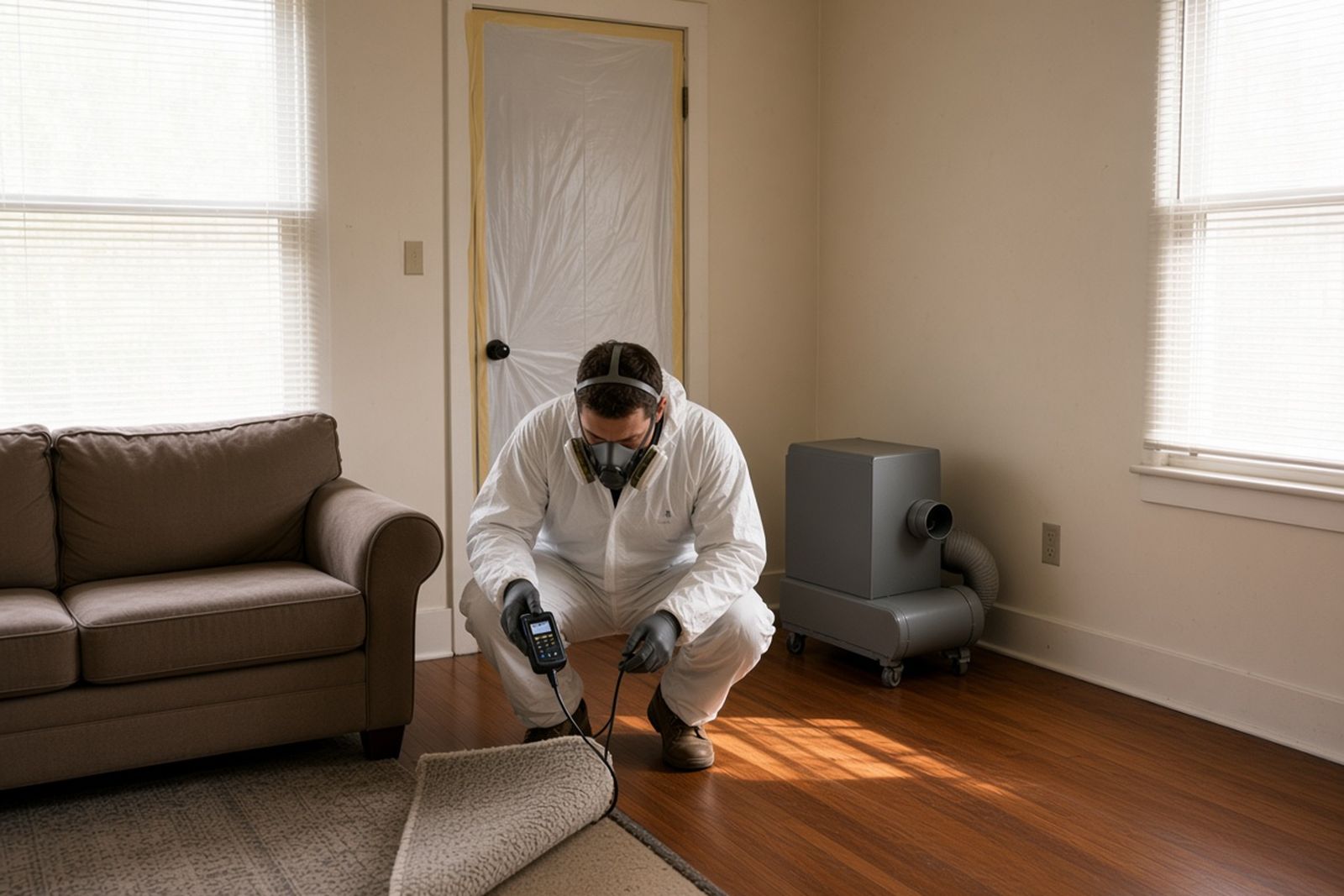
EPA's Renovation, Repair and Painting rule applies to work that disturbs painted surfaces in homes and child-occupied buildings built before 1978. Companies paid to do that work usually must be certified and follow lead-safe work habits. These include sealing off the area and checking the cleanup. Sanding walls before sealing them can fall under the rule just as much as cutting out a piece of drywall.
Asbestos rules vary by place. Some states and towns require an asbestos check before certain tear-out or remodeling work. This is most common in apartment and business buildings. Popcorn ceilings, old flooring and some joint compounds are common suspects. If your building is older, ask the odor company how it checks for these materials before removing anything.
State and local requirements
State rules differ widely, and the right agency depends on the task. Look at the areas below when you research your state. Check with the agency directly instead of relying on a contractor's summary.
A few states license mold testing or mold cleanup separately. If your odor problem comes from mold, the company doing the work may need that license. It may need it on top of any general contractor registration.
State agencies can also regulate how soiled materials leave your property. In some states, carpet and drywall soaked with body fluids may need to be handled as regulated waste. Everyday smoke-damaged debris usually goes to a standard landfill. Ask where your debris is going and whether any special handling applies.
Local governments often touch odor work through building permits. In many places, removing and replacing drywall, subflooring or heating and cooling parts can need a permit, even when the reason is odor. Permits may also require inspections before walls are closed up.
Smoke-free housing rules are more and more local. Some cities and counties limit smoking in buildings with many units. Public housing has its own federal smoke-free policy. These rules matter because smoke moves between units.
Code enforcement and health departments may get involved when odors are bad enough to be a nuisance. This can happen in hoarding cases or where animals or waste pile up. In those cases, the odor work may be part of an order to fix the problem, with its own deadlines.
- Contractor licenses or registration for tear-out and repair work
- Mold testing or cleanup licenses, in states that have them
- Pesticide applicator licenses for certain germ-killing or fumigation uses
- Disposal rules for materials soiled with blood, body fluids or sewage
- Landlord-tenant rules on security deposits, disclosures and whether a home is fit to live in
- State-run worker safety plans that cover odor company workers
How the odor source changes which rules matter
The source often decides which rules come first. After an unattended death, a body breaking down creates dangers from bloodborne germs. So biohazard cleanup rules and waste disposal rules come first. Sewage backups can involve health department advice and specific cleanup steps. Fire and smoke odors are often handled as part of an insurance claim and repair project.
Mold odors tie back to moisture. Fixing the leak or the humidity problem is part of the answer. Pet and tobacco odors usually have the fewest rules. But they can raise lead or asbestos issues if building materials must be removed.
Voluntary industry standards are not laws. The IICRC publishes some of these for water damage, mold, and fire and smoke repair. Still, insurers and courts sometimes point to them when judging whether work was done properly.
Other duties for owners, sellers, and associations
Owners who rent out their property have extra duties. Many states require landlords to keep homes fit to live in. Strong odors can be part of a complaint that a home is not fit to live in. When you take odor cleanup costs out of a tenant's deposit, state law often requires an itemized list within a set time.
Depending on the state, sellers may have to disclose known conditions. Examples are past smoke damage, pet damage or a death in the home. A real estate agent or lawyer who knows your state's rules can tell you what must be disclosed.
Homeowner associations and condo boards may have their own rules too. They may have approved contractor lists, set hours for work or rules for moving debris through shared hallways. Check your association papers before the crew arrives so the job is not stopped halfway.
How the layers stack in an older rental building
The layers are easiest to see in a common case. Picture a unit with heavy smoke odor in a small apartment building built before 1978. The owner wants to clean it, seal it and rent it out quickly.
Washing walls and ceilings, removing carpet and sealing surfaces sounds like pure odor work. But say the walls will be sanded in a few spots before sealing. Then the company needs certification under EPA's lead rule and must seal off the area. And a popcorn ceiling should be tested before anyone scrapes it.
Replacing a damaged bathroom subfloor may need a building permit. If a local law limits smoking in buildings with many units, the lease for the next tenant may need updating as well.
Last, the owner needs to check the state's security deposit rules before taking out cleanup costs. If those rules call for it, the owner must send the past tenant an itemized list with copies of the bills. Each step draws on a different set of rules. None of them is labeled odor removal.
Checking the rules that apply to your job
Start with the source and the tasks. Once you know whether the work involves tear-out, germ-killing products, mold, biohazards or older building materials, you can find the right agencies to contact.
Ask your odor company which licenses and certificates it holds and which permits it will get. Rules vary by state and county; verify with the local authority.
- Find the odor source and the materials that must be removed
- Check whether your building was built before lead paint and asbestos were limited
- Confirm contractor, mold or pesticide licenses in your state
- Ask the local building department about permits
- Review landlord-tenant, disclosure and smoke-free rules that apply to you