Odor Removal: Safety
Hazard-assessment articles for odor removal, including when bloodborne, chemical, respiratory, sharps, structural, or waste controls may apply. PPE and containment must follow the actual exposure—not a universal checklist.
Safety posts cover the hazards that can hide behind an odor problem and the risks of fixing it the wrong way. They explain why ozone machines should never run with people, pets, or plants inside. They explain how mixing cleaners can release harmful gases. They cover when a smell is a danger sign, such as a gas leak or sewer gas. And they cover what protective gear workers may wear around mold, sewage, or death scenes. Other articles compare doing odor control yourself with hiring a professional. They explain how to check the risks before anyone starts pulling up flooring. Posts also explain why children and pets should stay away during removal work.
Get an email reply about odor removal
Send a short message to the follow-up inbox. A coordinator can reply by email. This form does not send emergency help; call 911 first if anyone is in danger.
The urge to make a smell go away fast can lead to choices that harm people or property. Rented ozone machines can irritate lungs and break down rubber. Scrubbing residue from a death or sewage backup without protection can expose you to germs. Knowing which odors are just a nuisance and which point to real hazards helps you decide what to do yourself. It helps you know when to air out and leave, and when to bring in a trained provider. Knowing those limits also protects your belongings. Harsh treatments can crack rubber seals, fade fabrics, or stain finishes that would have been fine. A little caution early usually saves both your health and your furniture.
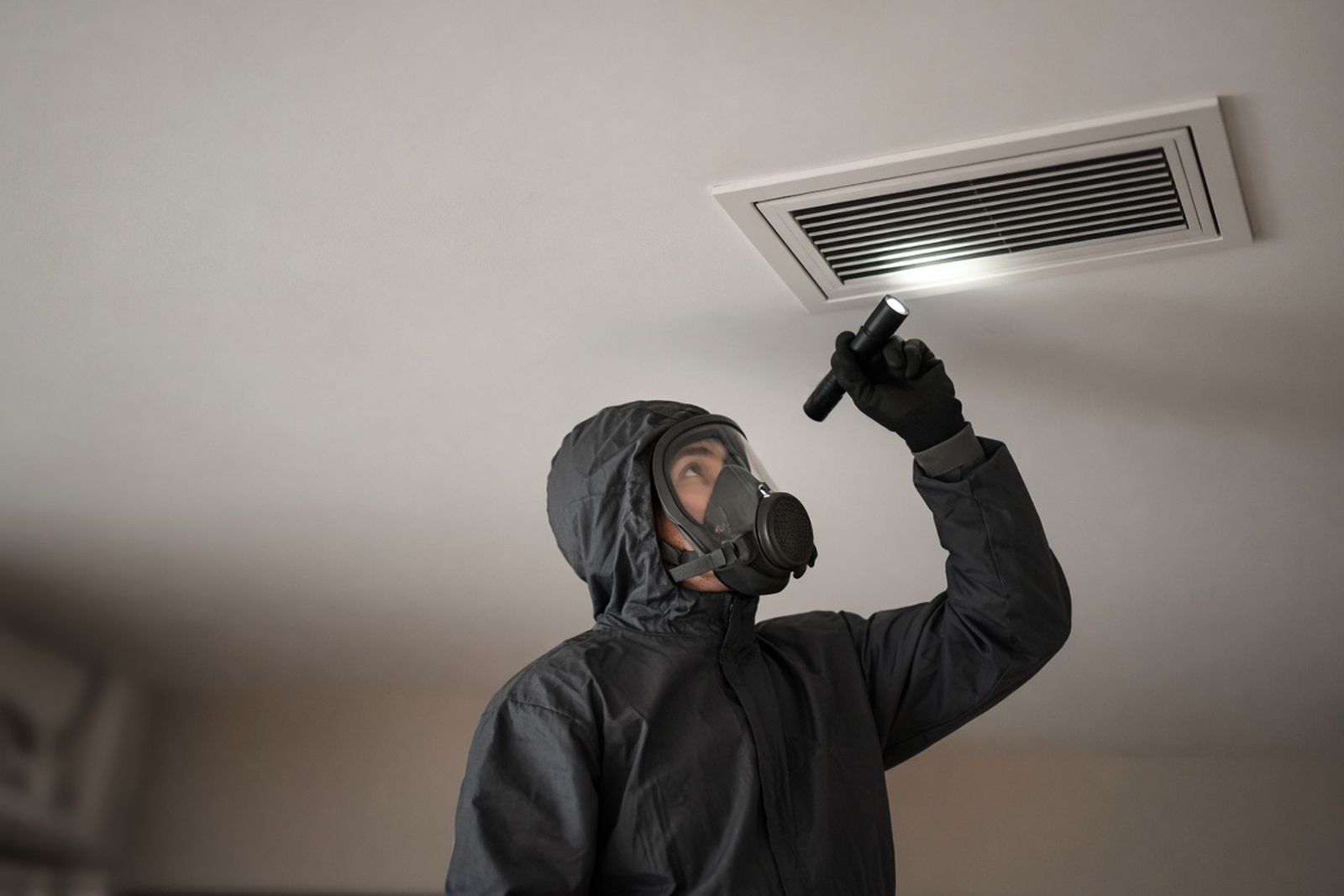
DIY vs Professional Odor Removal: The Critical Differences
Some smells are a weekend project; others need a pro. Learn where DIY odor removal works, where it backfires, and the warning signs that it is time to call.
DIY odor removal works well when the source is small, visible, recent, and on surfaces you can reach and clean. Professional help makes sense when the source is hidden, has soaked into flooring or walls, involves smoke throughout a home, decomposition, heavy animal waste, mold, or possible gas. The key difference is source investigation and removal, not stronger fragrance or machines.
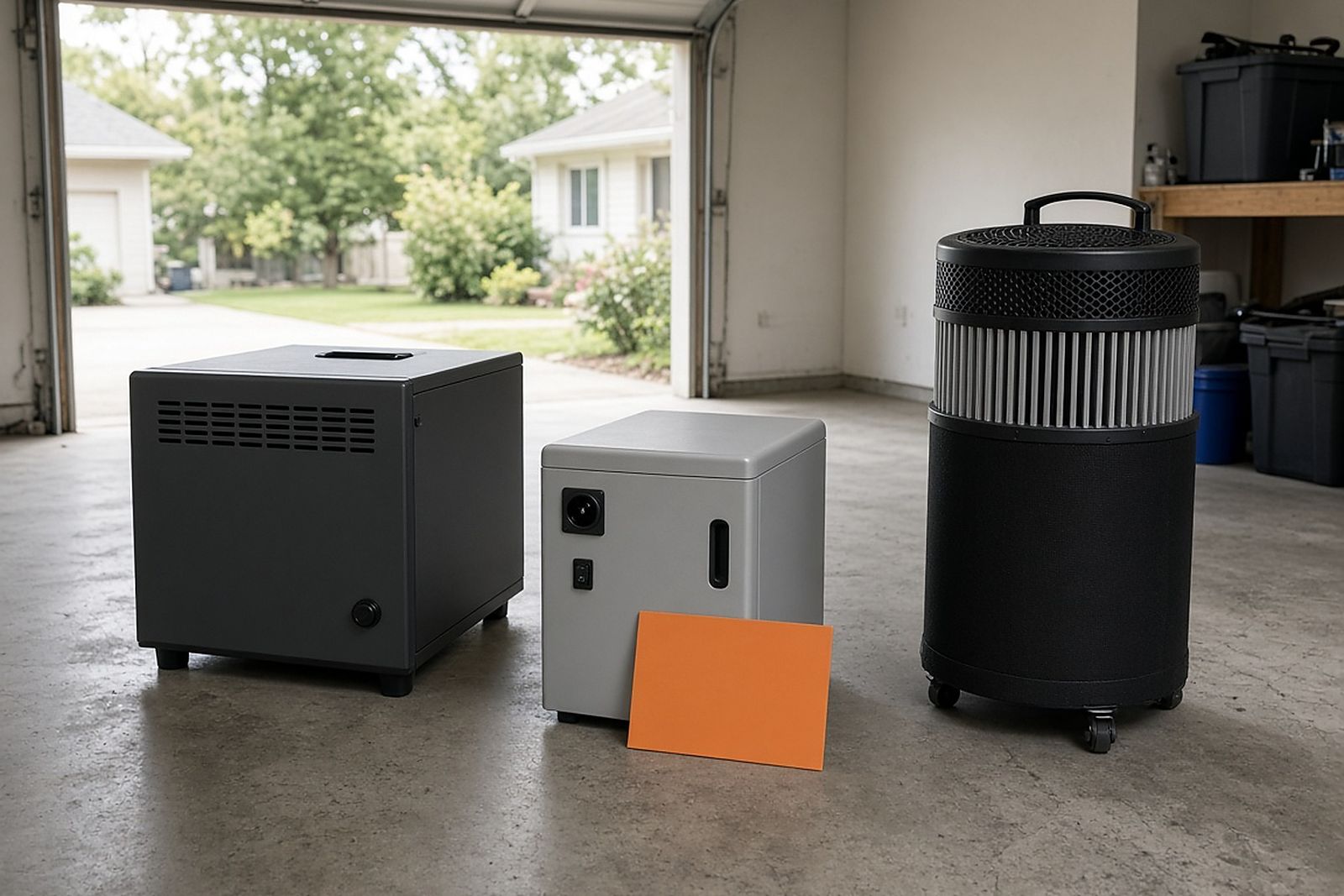
10 Odor Removal Safety Risks to Assess Before Work Begins
Odor jobs can hide gas leaks, biological hazards, mold, ozone exposure, and fire risk. Review ten safety risks to check before any odor removal work begins.
Before odor removal starts, assess ten risks: gas or sewer leaks, biological sources, mold, chemical mixing and fumes, ozone exposure, flammable foggers and ignition sources, hidden hazards opened during demolition, confined or hot work spaces, vulnerable occupants and pets, and damage to belongings. Identifying each one first protects the people in the home and the crew, and keeps a smell problem from becoming a health problem.
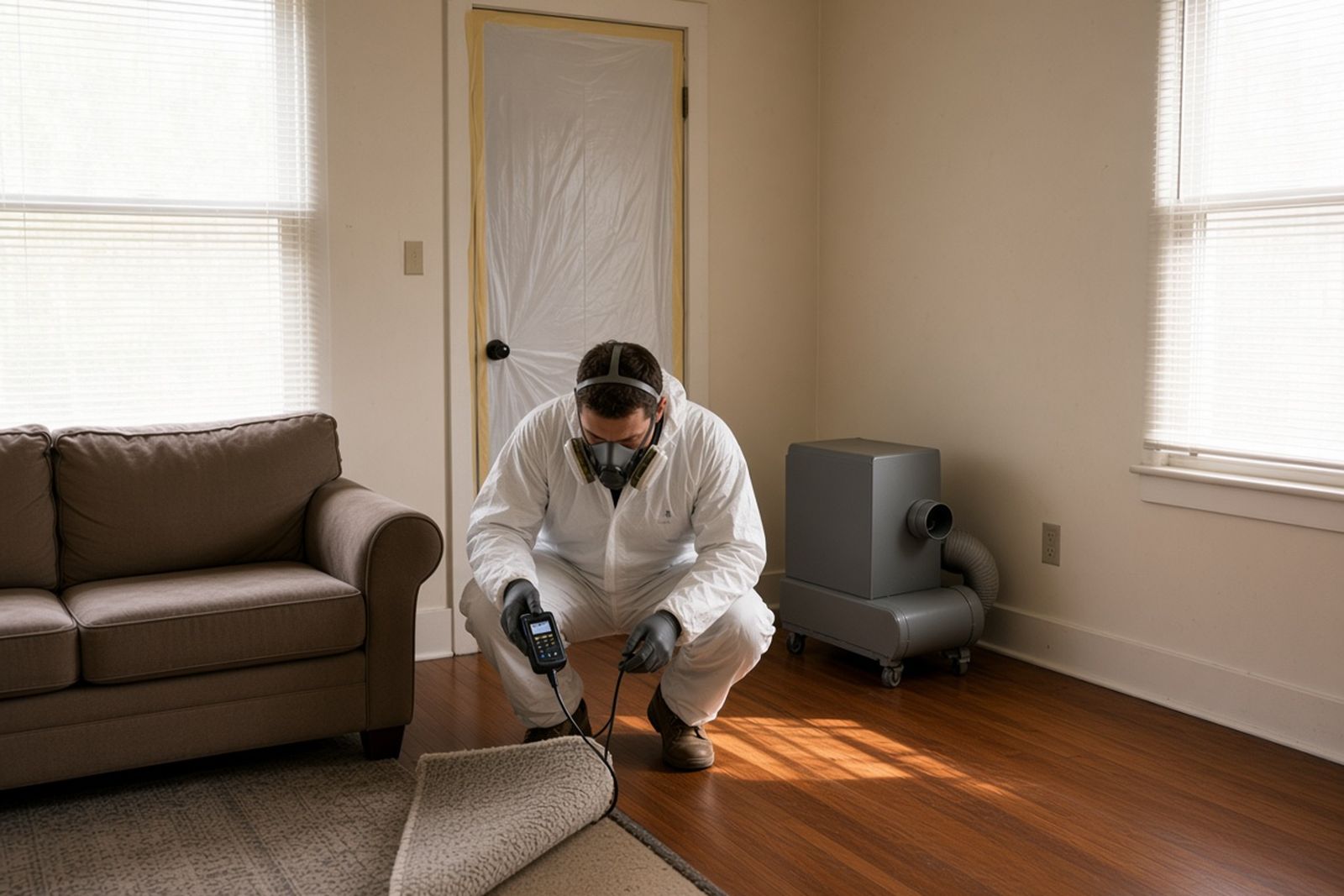
PPE Planning for Odor Removal: Start With the Hazard Assessment
Odor jobs shift from tracing a smell to tearing out pad, washing soot, sealing, and fogging. PPE should change with each phase, guided by a written assessment.
Odor removal technicians need PPE matched to each phase of the job, not one outfit for the whole visit. Inspection may call only for gloves and eye protection. Removing urine-soaked, smoke-coated, or decomposition-affected materials adds fluid-resistant clothing and particulate respirators. Solvent sealers and fogging solutions require vapor cartridges. Ozone treatments call for keeping people out entirely rather than relying on masks.
Sourced figures on safety
- 2.21
Stronger liquid-sludge odor was associated with skin-rash reports (PR 2.21; 95% CI 1.13–4.32).
Read with care: Self-reported odor/symptoms; most symptom-group scores were similar across exposure groups.
Source: Wing et al. (2014)431 adults near liquid-sludge, cake-sludge or comparison areas.
- 0.1 ppm
OSHA's permissible exposure limit for ozone is 0.1 ppm (0.2 mg/m3) as an 8-hour time-weighted average for workers.
Read with care: An occupational limit for healthy adult workers, not a residential or vulnerable-population safety threshold.
Source: OSHA (2024)US workplaces; occupational 8-hour exposure
- 0.05 ppm
FDA regulation 21 CFR 801.415 deems an ozone-generating device adulterated if it produces or accumulates ozone above 0.05 ppm in occupied enclosed spaces.
Read with care: The rule applies to devices marketed as medical devices; consumer ozone generators may fall outside its enforcement scope.
Source: FDA (2024)US federal regulation for medical devices in occupied enclosed spaces
These figures are public research and agency data, not this network's own job records. Keep each number with its population, year and limits; none of them predicts cost, timing or outcome at a specific property.
What research has found
Findings from published studies of people and properties in situations like this one. They describe what researchers observed in a specific group; they are not predictions for your case.
Several broader symptom-score differences had confidence intervals including no association.
Greater odor acceptability was associated with higher well-being.
Safety: common questions
Is it safe to run a rented ozone generator in my home?
Ozone irritates the lungs and can make asthma worse. So no people, pets, or plants should be inside while it runs, and the space must be aired out before anyone goes back in. Ozone can also damage rubber, some fabrics, and artwork. It rarely fixes a source problem. So think about getting a professional check before you rent a machine.
When does an odor mean I should leave the building immediately?
Leave right away if you smell rotten eggs or think there is a natural gas or propane leak. Also leave if a strong chemical smell comes with headaches, dizziness, or nausea. Call your gas utility or emergency services. Do not flip switches or use flames on the way out. Go back only after responders say it is safe.
Can I remove urine-soaked carpet pad myself?
For small areas of pet urine, many homeowners do, using gloves, eye protection, and good airflow. Larger areas, urine that has soaked into the subfloor again and again, or signs of mold call for professional help. If the mess involves human body fluids from a death or injury, leave it for trained workers who can handle it safely.
Should anyone with asthma or breathing problems stay away during odor work?
It is usually wise. Dust from removal, cleaning chemicals, sealers, and air treatments can set off symptoms, and ozone irritates the lungs. Tell the provider ahead of time who lives in the home and about any health problems. Ask which phases carry the most exposure. Plan for sensitive people to stay somewhere else during those phases. They should come back only after the space has been aired out and cleared.
Is it safe to use a fan to blow odor out of a room?
A window fan pointed outward can help air out a room with a normal smell. Avoid fans that push air into hallways or other rooms, which spreads the odor. Do not use fans if you think there is gas, since electric gear can make sparks. Do not blow air across areas with mold, droppings, or dried body fluids, which can stir particles into the air.
How can I avoid hazards when searching for a smell myself?
Use a flashlight instead of reaching blindly into closets, cabinets, or behind appliances. Wear gloves and do not touch unknown residue, droppings, or anything that could involve body fluids. Do not crawl into tight crawlspaces or hot attics alone. If you smell gas or a chemical odor, or feel sick, stop searching and leave. It is better to describe patterns to a provider than to take risks finding the exact spot.
Are scented candles and plug-ins risky during an odor problem?
They add fragrance chemicals to the air inside without removing the source. They can also make it harder for a worker to figure out what is causing the smell. Open flames are a fire risk, especially near foggers or cleaning products that can catch fire. Some people are also sensitive to heavy fragrance. It is best to stop using them before an inspection and during any odor work.
Related community polls
Every count is a real visitor vote; nothing is seeded or padded. One vote per poll per device, and you can change your answer.
When a persistent smell first appeared in your home, what did you try first?
How long did you live with a recurring odor before seeking outside help?
More on odor removal
Odor Removal services
See how professionals trace death, pet, smoke, sewage, and musty odors to their source and remove it before any air treatment begins.
Costs explained
What drives the price, published cost ranges, and how to read a written quote line by line.
Insurance and payment
Which policies may respond, how to document a claim, and what to do if coverage is denied.
Planning tools
Estimate the job, check a provider, organize a claim, plan your first day, sort removed material, and decide if this odor job is safe to do yourself.
Community polls
See how other homeowners, renters, and landlords handled stubborn smells, what they tried first, and how they knew when an odor was really gone.
Knowledge quiz
Test what you know about where odors hide, safe use of air machines, how ducts spread smells, and why covering a smell is not the same as removing it.