Short answer
Property managers get lasting odor results by treating smell as a source problem, not an air problem. Identify what caused it, confirm how far it spread through materials and shared ventilation, get a written scope that separates removal, cleaning, sealing, and air treatment, and verify under realistic conditions before listing the unit. Good documentation also supports deposit decisions and future turnovers.
Why do odor problems hit rental turnovers so hard?
A vacant unit that smells wrong does not rent, and every week it sits empty costs money. That pressure pushes many managers toward the fastest option: a fragrance treatment, a coat of paint, or a machine left running over a weekend. When the smell returns during the first showing, the unit is back at the start with less time left.
Turnover odors also tend to be layered. A long-term tenant may have smoked indoors, kept pets that marked the carpet, and cooked heavily without running the range hood. Each source lives in a different material, so no single treatment addresses all of them.
The cost of getting it wrong is well documented for smoke. A UCLA survey of California apartment operators published in 2011 found smoking-related costs for recently vacated units averaged nearly $5,000 per year, with a median of $2,000. Those figures reflect cleaning, repainting, and replacement work that repeats when residue is not fully addressed.
Before you call anyone: a quick walk-through
A short walk-through with a notepad saves time and money. You are not diagnosing the problem, only gathering the facts a provider needs to give you a realistic scope.
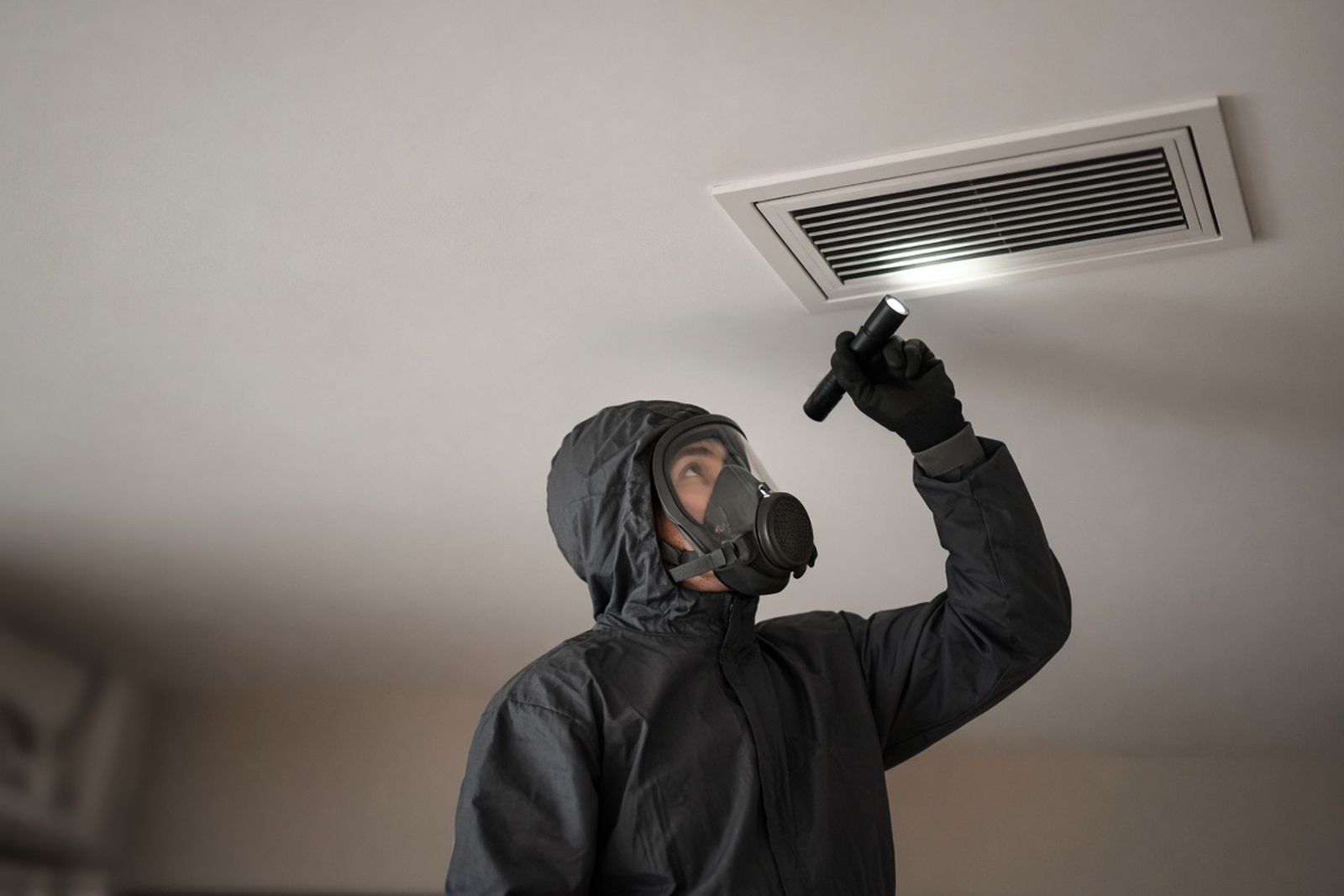
Walk the unit with the HVAC off first, then on. A smell that jumps when the blower starts points toward ducts, the air handler, or the filter. Open closets and cabinets, since enclosed spaces hold smoke residue longer than open walls. Look at window blinds, light fixtures, and the top of door frames for yellow or brown film.
Note anything that tells you where liquid may have gone. Carpet stains near walls, warped baseboards, and discolored subfloor at transitions are all clues. If the unit has a musty smell, check under sinks, around the tub, and near exterior walls for moisture.
- Photograph each room, including ceilings, closets, and vents
- Record the HVAC filter condition and its date if marked
- Note the lease term and any smoking or pet provisions
- List odors by room and whether they change with the blower on
- Flag anything that suggests moisture, a leak, or sewer gas
Shared walls and ventilation
Multifamily buildings move air in ways single-family homes do not. Plumbing chases, electrical penetrations, shared attics, and gaps around baseboards let air and odor travel between units. A new tenant can complain about smoke that is not coming from their apartment at all.
CDC reported in 2016 that about 34% of multiunit housing residents with voluntary smoke-free home rules said secondhand smoke entered their unit from elsewhere in the building, based on its 2013-2014 National Adult Tobacco Survey. That finding explains why sealing penetrations and checking neighboring units can matter as much as cleaning the unit itself.
Ask any provider whether their scope considers transfer pathways. That can include sealing gaps at outlets and pipe penetrations, checking whether bath fans vent properly, and confirming that shared returns are not pulling air from an occupied unit into the vacant one.
What a professional scope should include
A useful scope reads like a plan, not a price. It should name the suspected sources, the materials the provider expects to remove, the surfaces they will clean, anything they intend to seal, and the air treatment they will use once the source work is done.
Separate line items help you compare bids and explain charges to owners. If one bid lists carpet and pad removal, subfloor treatment, and an odor-blocking primer while another lists only fogging, those are not competing prices for the same job.
The scope should also say how the provider will confirm results. A statement such as closing the unit for a set period, running the HVAC, and doing a walk-through with people who have not been inside recently gives you something concrete to hold them to.
Finally, ask what happens if the smell returns. A provider confident in source work will usually describe a follow-up process. One who relies mostly on masking tends to offer another treatment at another price.
Ozone and air treatments in occupied buildings
Air treatments have a place, but they come last and they need controls. Ozone in particular carries real limits.
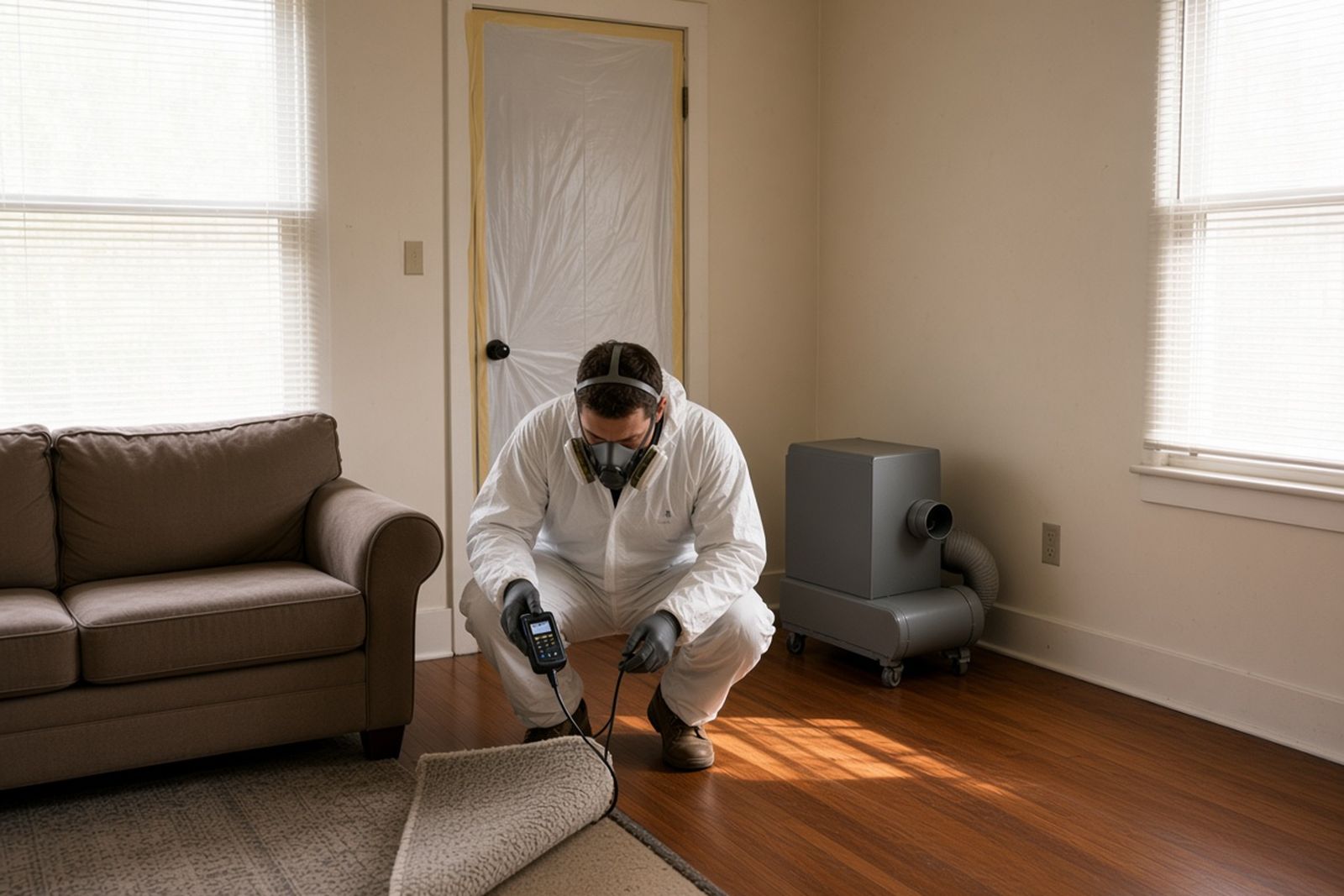
Ozone run at a level strong enough to matter requires the space to be empty of people and pets, and in a multifamily building you also have to think about the neighbors. Air can move through the same pathways that carried the odor in. Ask the provider how they will isolate the unit, how long it stays closed, and how they will air it out before anyone returns.
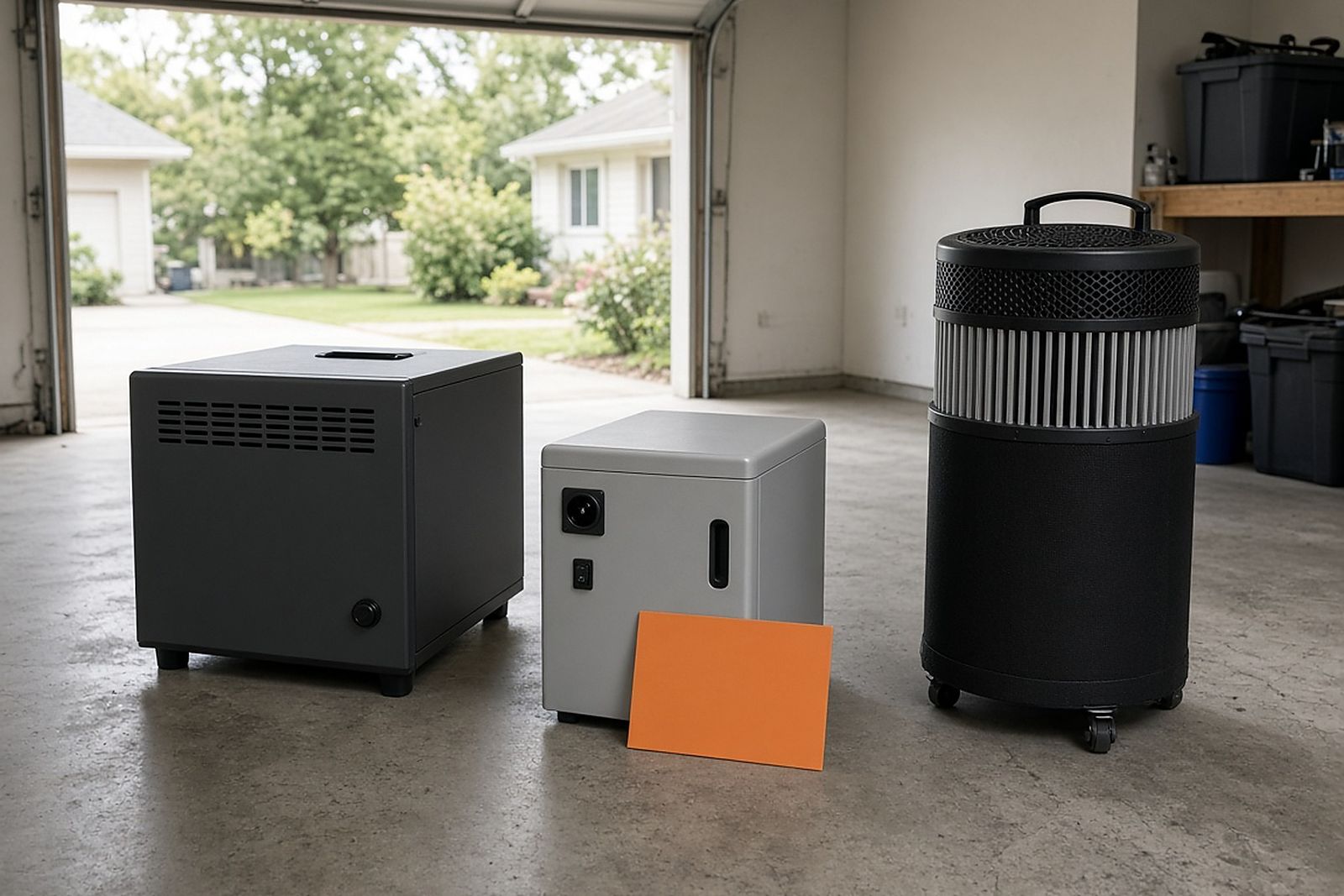
Filtration is a gentler companion step. Carbon units capture gases and HEPA units capture particles, and both can run during and after cleaning without clearing the building. Neither replaces removing a saturated carpet pad or cleaning smoke film from the walls.
Communicate with neighboring residents when treatment is planned. A short notice explaining when work happens, what they might notice, and who to call with concerns prevents complaints and builds trust.
Fitting odor work into the turnover schedule
Sequencing is where many turnovers lose time. If painters arrive before smoke film is cleaned, the new paint can trap residue and bleed through within weeks. If new carpet goes down before the subfloor is treated and sealed, the old smell rises into the new pad on the first warm day.
A reliable order is simple: remove saturated materials, clean every surface that carries residue, dry and seal what stays, run air treatment, verify, and only then bring in paint, flooring, and final cleaning crews. Share that order with every vendor so nobody arrives early and undoes the work.
Build a verification day into the schedule rather than treating it as optional. Closing the unit with the HVAC running and then checking it with fresh noses takes little labor but catches missed sources while the walls and floors are still open.
If you manage several properties, consider keeping one provider on a standing arrangement for odor scopes. Familiarity with your buildings, their ventilation layout, and your documentation needs tends to shorten future jobs.
Who pays when a tenant caused the odor?
That depends on the lease, the move-in condition report, and local landlord-tenant law. Some leases address smoking and pets directly. Others are silent, which makes documentation even more important.
Detailed photos, the move-in checklist, the provider's written scope, and an itemized invoice give you the strongest footing if you intend to apply deposit funds. Normal wear and odor damage are treated differently in many places, and deadlines for returning deposits or providing itemized statements are set locally.
Rules vary by state and county; verify with the local authority or your attorney before withholding funds. A provider can describe the condition they found, but they should not advise you on what the law allows you to charge.
A well-run turnover (illustrative)
Here is a sample turnover, drawn as a composite rather than from a real building. A manager oversees a 24-unit building. A tenant of eight years moves out of a two-bedroom unit. The tenant smoked indoors and kept two cats. The first walk-through reveals a strong smell, yellowed blinds, and scattered carpet stains in the second bedroom.
The manager photographs every room and pulls the HVAC filter, which is dark and clogged. She notices the smell in the hallway outside the unit and asks the neighbor across the hall if they have noticed anything. They have, faintly, near their entry closet.
The provider's scope includes removing all carpet and pad, treating stained subfloor areas with an enzyme product, and sealing those areas. Walls, ceilings, cabinets, and fixtures are cleaned to remove smoke film before painting with an odor-blocking primer. The filter is replaced and accessible duct runs are cleaned. Gaps at the shared wall outlets and plumbing penetrations are sealed.
Carbon filtration runs during the work. The unit is closed for a day with the HVAC running, then checked by two staff members who had not been inside. The hallway is checked again too. The manager files the photos, scope, and invoice with the tenant ledger and schedules showings.
Preventing the next odor turnover
Prevention is mostly about catching problems early. Scheduled filter changes give you a look at what the HVAC is collecting. Periodic inspections, done within the notice rules for your area, let you spot pet damage or smoking before it has years to build up.
Clear lease language helps tenants understand expectations about smoking, pets, and reporting leaks. Encouraging prompt reporting of plumbing issues keeps musty odors from developing behind walls.
Keep a simple file for each unit that records past odor work, what was removed, and what was sealed. The next manager or provider will know where problems lived before, which speeds diagnosis and avoids tearing out the same area twice.
When an odor involves a death in the unit, treat it as a biohazard cleanup first and an odor job second. That work should be done by a qualified remediation provider before any deodorizing begins, and it is appropriate to let the provider coordinate with the family's representatives with sensitivity and discretion.