Short answer
Living with a persistent odor, and then with the disruption of removing it, can cause real stress: embarrassment about guests, worry about health or property value, broken sleep, and tension with landlords, neighbors, or family. You can ease it by understanding the plan, arranging a place to stay during treatment, setting a clear timeline, keeping records, and asking for support when the odor is tied to a loss.
Why does a lingering smell affect people so much?
Smell is closely tied to memory and emotion. A scent can pull you back to a moment in an instant, and an unpleasant one can make a familiar room feel foreign. When that smell lives in your own home or car, it follows you through the most private parts of your day.
Many people describe a quiet kind of wear. They stop inviting friends over. They check their clothes before leaving the house. They wonder whether coworkers can smell it on them. Over weeks or months, that low-level worry adds up.
There is also the frustration of not being able to fix it. You may have scrubbed, aired out, and tried every spray on the shelf, only to have the odor return on the first humid day. That cycle can leave you feeling defeated before a professional ever arrives.
If any of this sounds familiar, you are not being oversensitive. A persistent odor is a real problem, and wanting it gone is a reasonable goal.
Different odors, different kinds of stress
The source of the smell shapes the emotional weight. A musty basement brings worry about hidden damage and repair costs. Pet odors can bring guilt, or tension between household members about an aging animal. Smoke odor after a fire carries the shock of the fire itself.
Some situations are harder still. An odor left after a loved one died at home, especially if the death was not discovered right away, carries grief along with the practical problem. Odors from a hoarded home can bring up family conflict and shame. Smells that drift in from a neighbor's unit can leave you feeling powerless in your own space.
That last situation is more common than many people think. According to a 2016 CDC release on the National Adult Tobacco Survey, about 34% of multiunit housing residents with voluntary smoke-free home rules reported secondhand smoke entering their unit from elsewhere in the building.
Naming what is driving your stress can help you ask for the right kind of help. Some stress is about money, some about health, some about relationships, and some about grief.
Preparing for the work and its disruptions
Uncertainty tends to feed anxiety. The more clearly you understand what will happen, the easier it usually is to cope. Ask your provider to walk you through the plan in plain language: what they think the source is, what they will remove, which treatment they will use, and how long it will take.
Write down the questions that keep you up at night and bring them to the conversation. Will I need to leave? What happens to my furniture? What if it does not work? A good provider will answer patiently and will not rush you.
It can also help to think about what done looks like for you. For some people, success means guests can visit without comment. For others, it means a rental unit passes inspection or a home is ready for listing photos. Sharing that goal with the provider helps everyone aim at the same result.
Give yourself permission to take a break from the problem, too. Once the work is scheduled, you do not need to keep testing the air or searching online for new remedies.
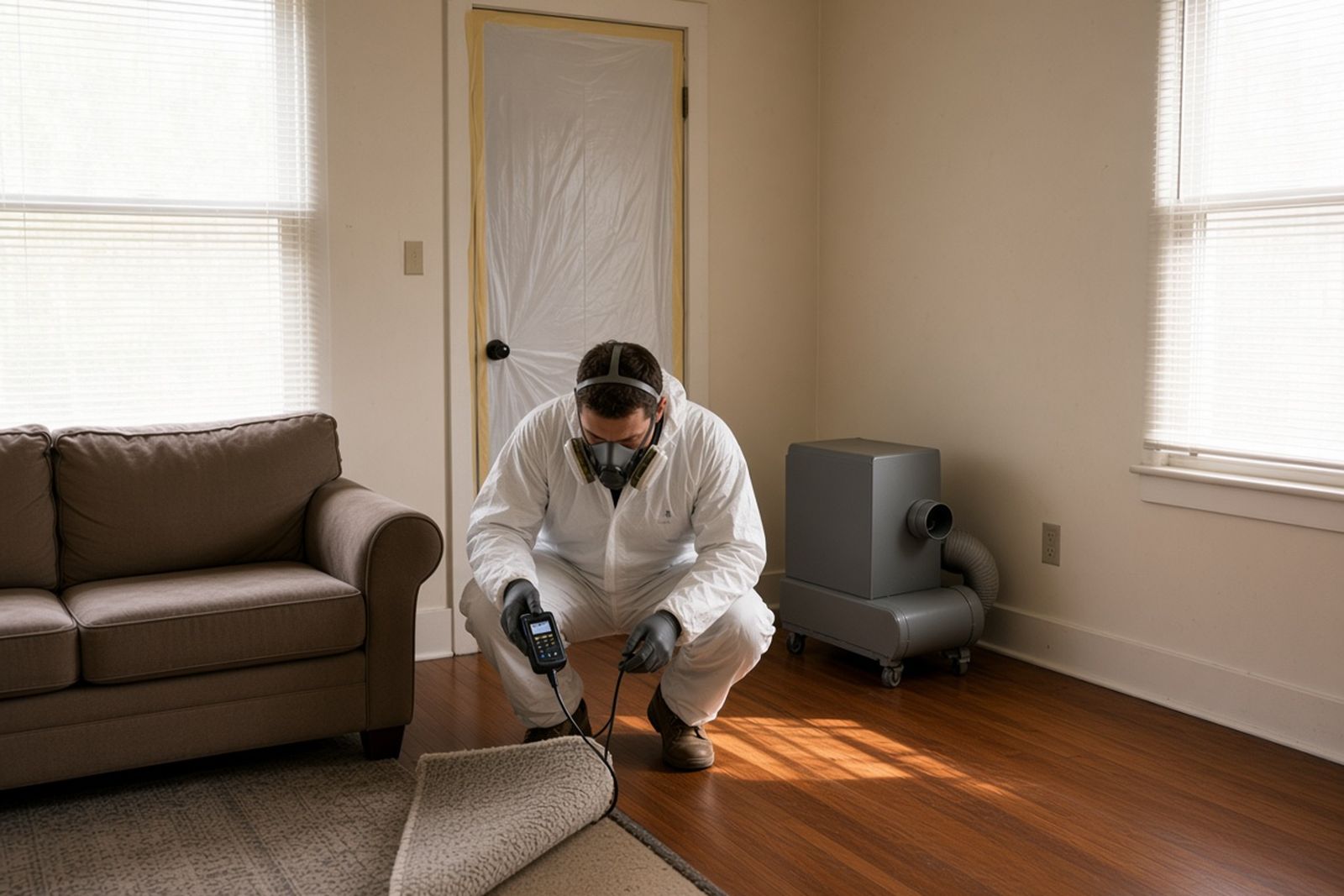
Odor removal can disrupt daily life more than people expect. Carpet, pad, or drywall may need to be removed, which brings noise, dust barriers, and rooms you cannot use for a time. Contents may be moved, packed, or cleaned offsite.
Some treatments require the space to be empty of people, pets, and plants. Ozone, in particular, is used only in vacant areas, and you will be told when it is safe to return. Thermal fogging and other methods may also require a period away from the home.
Plan ahead for those gaps. Arrange a place to stay if needed, make a plan for pets, and pack a bag with medications, chargers, work items, and anything that brings you comfort. If you work from home, ask the provider for a schedule so you can plan your calls.
Small preparations make a large difference in how the week feels. Knowing where you will sleep and where your pets will be removes two of the biggest sources of worry.
- Ask for a written day-by-day schedule
- Arrange a place for people and pets during any vacancy period
- Set aside medications, documents, and valuables before work starts
- Agree on how and when the provider will update you
- Know who to call if a question comes up after hours
Tension with family, landlords, or neighbors
Odors often involve other people, and that can strain relationships. Household members may disagree about whether a pet should stay, whether a cost is worth it, or who is responsible. Renters and landlords may disagree about deposits and repairs. Neighbors may not accept that an odor is coming from their unit.
Written information can cool those conversations. A provider's inspection findings, photos, and scope give everyone the same facts to look at. It becomes easier to discuss next steps when the conversation shifts from whose fault it is to what the report shows.
When a dispute involves a lease, a building, or a shared wall, it can help to put requests in writing and keep copies. If you are a renter, your local tenant rights organization may be able to explain your options.
How can I cope when the odor is tied to a loss?
When a smell remains after a loved one's death, the cleanup can feel like one more painful task at a time when you are already overwhelmed. You do not have to be present for the work, and you do not have to make every decision at once.
Ask the provider to set aside personal items, photos, and documents for you to review later. Many providers can work discreetly, using unmarked vehicles on request, and can talk with you by phone rather than on site if that is easier.
Grief can bring intense emotions that come in waves. Talking with a friend, a faith leader, a grief counselor, or a support group can help. If you ever find yourself thinking about harming yourself, or feel you cannot go on, you can call or text 988 to reach the 988 Suicide and Crisis Lifeline at any hour.
A steadier process, illustrated
Consider one illustrative composite, not a real client: a retired teacher who has lived in her condo for twenty years. After a slow leak under the kitchen sink, a musty smell settles into the unit. She stops hosting her book club and begins sleeping poorly, worried about mold and what the repair will cost on a fixed income.
She calls a provider who visits, finds the damp cabinet base and subfloor, and explains the plan in writing. The provider tells her the kitchen will be off limits for four days and that she will need to be out for one night during air treatment. Her daughter arranges for her to stay over, and she takes her cat along.
Each afternoon, the technician sends a short text with photos of the day's progress. When the work is done, he walks her through what was removed and schedules a follow-up check after a week of closed windows. The smell is gone, but what she remembers most is that she always knew what was happening next.
Rebuilding comfort, and knowing when to ask for more support
Even after a successful treatment, it can take time to trust your home again. Some people keep sniffing for the old smell, or feel a jolt of worry on the first humid day. That reaction is normal and usually fades as days pass without the odor returning.
Ask your provider what signs would mean a real return and what would be ordinary household smells. Knowing the difference helps you avoid second-guessing. Keep the verification record and any follow-up dates somewhere easy to find.
Small rituals can help reclaim the space. Open the windows on a nice day, invite a friend over, or rearrange a room that felt tied to the problem. Returning to normal routines is part of recovery too.
Most stress from an odor problem eases once the source is fixed. Sometimes, though, it lingers, especially if the smell was tied to a traumatic event or a long dispute. If you notice ongoing trouble sleeping, persistent anxiety, or difficulty enjoying your home months later, consider talking with your doctor or a mental health professional.
Asking for help is not a sign that you handled things poorly. It is a practical step, much like calling a professional for the odor itself.
It can also help to talk openly with the people you live with. Children in particular may pick up on your worry without understanding it. A simple explanation that the smell is being fixed, and what will change in the house for a few days, can make the process less unsettling for everyone.