Odor Removal: Choosing a Company
Evidence to request from odor removal providers: business identity, applicable training, insurance, scope assumptions, waste routing, verification, availability, and responsibility for subcontractors.
Posts here help you tell a careful odor removal provider from one that relies on fragrance and a rented machine. You will find questions to ask about finding the source, choosing what to remove, ozone safety, and follow-up checks. You will also find red flags, such as promises of one-visit results or refusing to check heating and cooling systems. Other articles cover the training and records worth asking about. Some compare local experts with national restoration brands that offer odor work along with water and fire work. Posts also explain what a useful written scope and final note should contain.
Get an email reply about odor removal
Send a short message to the follow-up inbox. A coordinator can reply by email. This form does not send emergency help; call 911 first if anyone is in danger.
Choosing well matters because odor jobs that miss the source often cost more over time, as you pay for repeat treatments. A good provider explains what it found and why it suggests removing or cleaning certain materials. It also explains how it will know the job worked. Asking the right questions helps you find that provider. It also gives you the confidence to walk away from an offer that promises too much. The most costly machines are not always a sign of skill. A worker who spends time on hands and knees with a moisture meter and a UV light often learns more about your smell. A company that shows up with several machines and no questions often learns less.
10 Questions to Ask Before Hiring an Odor Removal Company
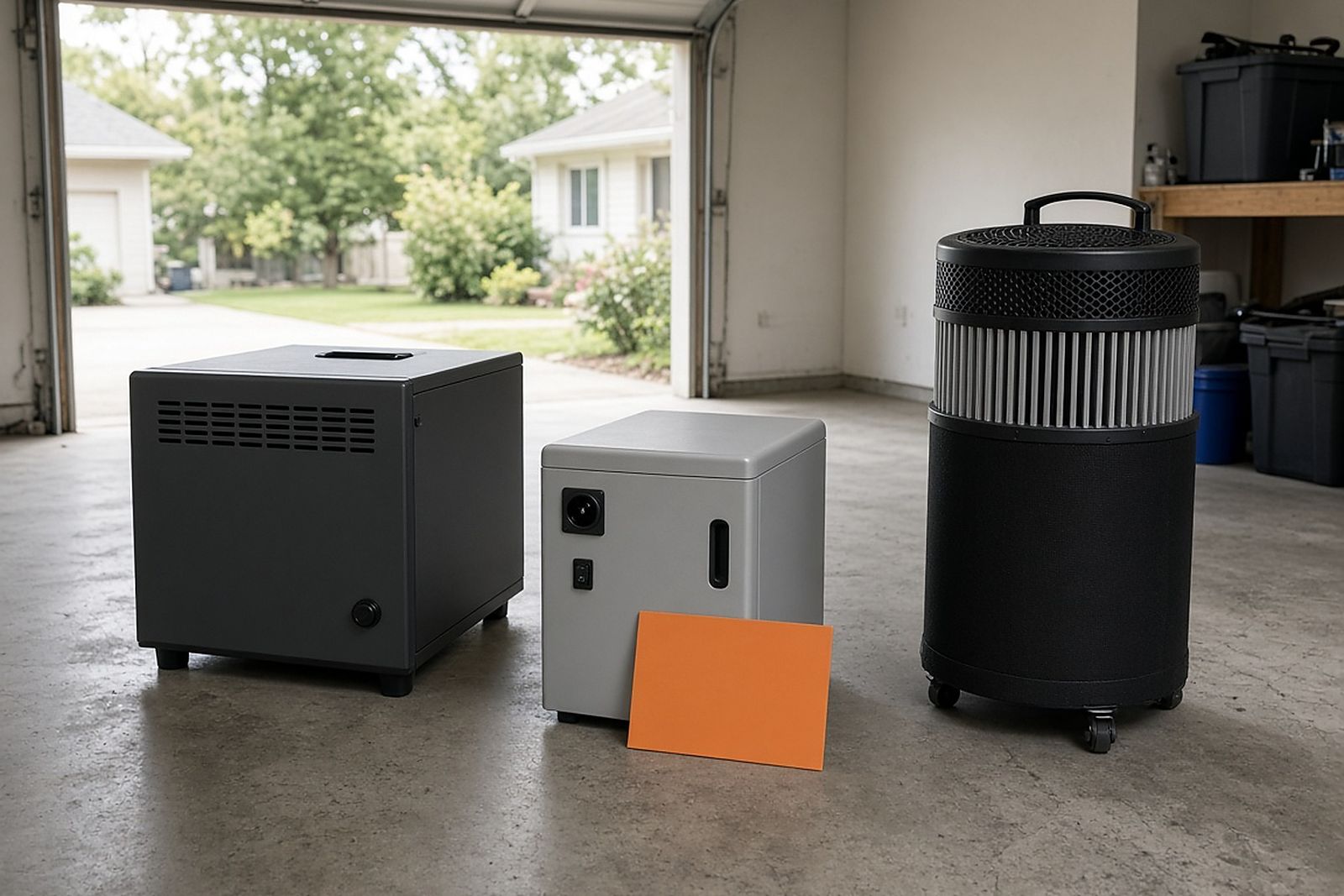
Ask an odor company how it finds the source, what it removes, which air treatment it uses, and how it proves the smell is gone before you sign anything.
Before hiring an odor removal company, ask how it will find the source, what it will remove versus treat, which air treatment it uses and why, how long you must stay out, what training its crew has, how the result is verified, and what happens if the smell returns. Clear, specific answers separate source-focused providers from companies selling masking.

Red Flags When Hiring Odor Removal Services
Phone quotes, ozone run in occupied rooms, and scopes that never mention the source are warning signs. Here is how to spot a weak odor removal company early.
The biggest red flags in odor removal are a price before anyone inspects, a plan built around a single machine, no written list of what will be removed, ozone offered while people or pets stay home, guarantees with no conditions, and pressure to sign today. A trustworthy company explains the source, the method, and how it will confirm the smell is gone.
Training, Documentation, and Credentials for Odor Removal
What training should an odor removal technician have? Learn which certifications apply, what records to request, and how to verify a crew before work starts.
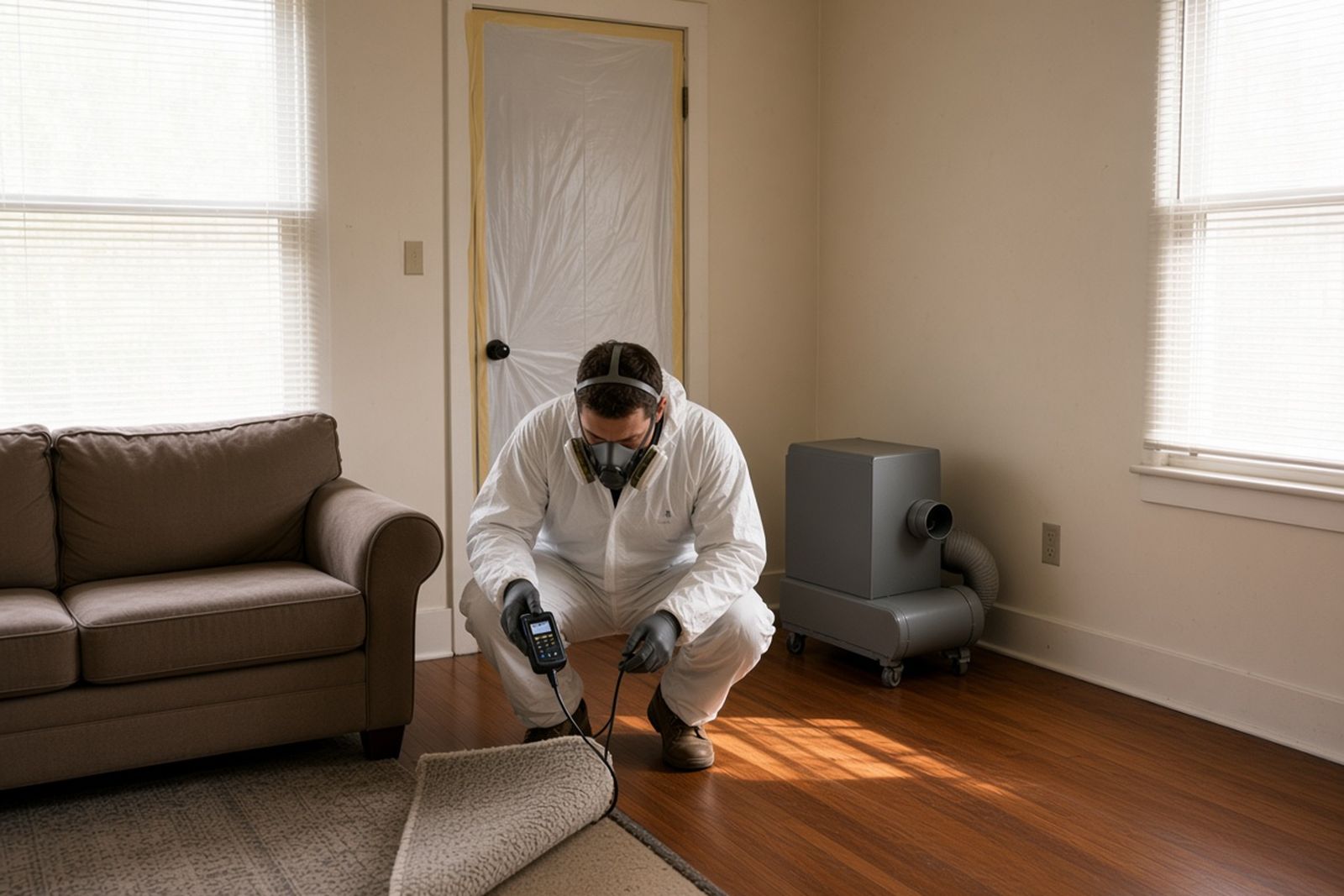
Odor removal has no single universal license, so training and documentation are how you judge a provider. Look for industry certifications in odor control or fire and smoke restoration, safety training for ozone and chemical use, bloodborne pathogen training if decomposition or sewage is involved, general liability insurance, and a written scope with verification records. Always confirm credentials directly with the issuing organization.
How to Compare Local and National Odor Removal Providers
Independent odor specialists and national franchise brands each have strengths. Compare them on diagnosis, who does the work, follow-up, and paperwork.
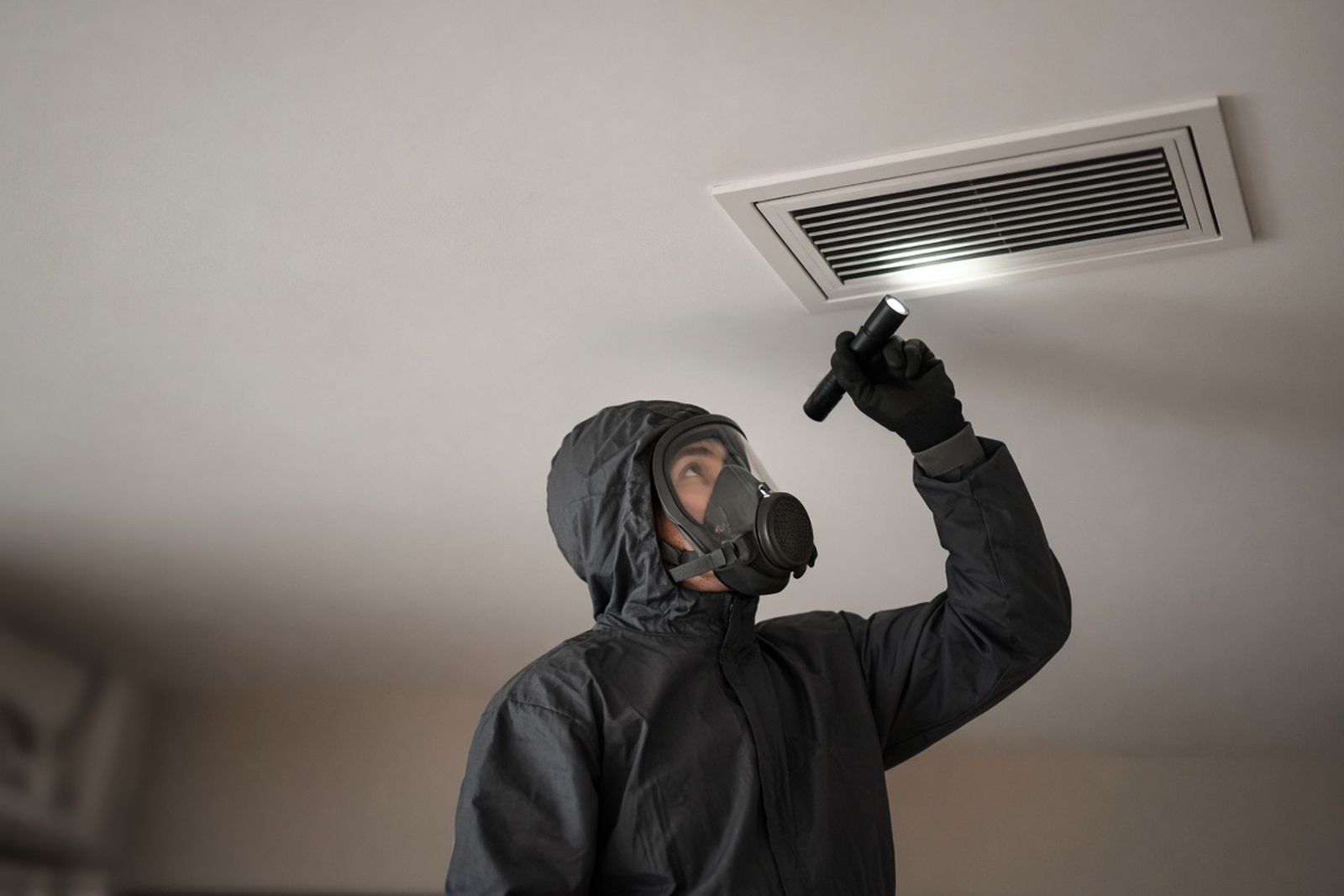
Compare local and national odor removal providers on the same practical points: who will actually inspect and do the work, how they find the source, what the written scope includes, how results are verified, and what happens if the smell returns. National brands may offer consistent systems and capacity, while local specialists may offer more direct attention. Individual crew skill matters more than company size.
Sourced figures on choosing a company
- 99.97%
EPA defines a HEPA filter as one that removes at least 99.97% of airborne particles at 0.3 microns, the most penetrating particle size.
Read with care: HEPA captures particles such as soot but does not remove gaseous odor molecules, which need carbon or oxidation.
Source: EPA (2024)US EPA definition for air filtration
- 50-60%
A Lawrence Berkeley National Laboratory study found activated carbon fiber filters removed 50 to 60% of most VOCs, rising to 70 to 80% with heated regeneration, but only 25 to 30% of formaldehyde.
Read with care: Engineered filter media under controlled conditions, not a portable consumer unit in a real home.
Source: Lawrence Berkeley National Laboratory / Building and Environment (2012)Laboratory and test-chamber study of ACF filter media
- 2025
The first ANSI/IICRC S700 Standard for Professional Fire and Smoke Damage Restoration, which includes a dedicated fire and smoke odor management section, was published January 3, 2025.
Read with care: A voluntary standard; adherence is not legally required and contractors are not automatically certified to it.
Source: IICRC (2025)US and international restoration industry consensus standard
These figures are public research and agency data, not this network's own job records. Keep each number with its population, year and limits; none of them predicts cost, timing or outcome at a specific property.
What research has found
Findings from published studies of people and properties in situations like this one. They describe what researchers observed in a specific group; they are not predictions for your case.
People rating air as fresher reported higher subjective well-being.
Surface nicotine persisted during the pre-cleaning observation period.
Choosing a Company: common questions
What should I ask an odor removal company on the first call?
Ask how it finds odor sources and whether it checks heating and cooling systems. Ask how it decides what to remove. Ask whether it uses ozone or hydroxyl, and under what safety rules. Ask what happens if the smell comes back. Ask for a written scope of work that lists source removal separately from air treatment.
What are warning signs in an odor removal offer?
Be careful if a company promises lasting results before it inspects. Also be careful if it relies mainly on fragrances, suggests ozone without explaining how long the space must be empty and aired out, or refuses to put its plan in writing. Pressure to decide right away is another warning sign. A provider you can trust welcomes questions about its methods and results.
Should I hire a restoration company or an odor specialist?
Either can work. Restoration companies may handle fire or water damage along with odor, which helps when rebuilding is needed. Odor experts may focus more closely on finding and treating the smell. Choose the provider that explains its plan clearly, deals with the source, and keeps records of results, no matter which label it uses.
How many quotes should I get for an odor job?
When time allows, two or three in-person inspections usually give you enough to compare methods. More than that can make choosing harder without adding much. If the case is urgent, one careful inspection with a written scope may be enough to start the most important work. What matters most is that each quote is based on seeing the space. It should also list what will be removed, cleaned, and treated.
Should I hire the company my landlord or insurer recommends?
You can, and it may be handy, but you are usually free to choose your own provider. Ask the suggested company the same questions you would ask any other. Read its written scope carefully. If you are a tenant, the landlord may control who works on the building. If you are an owner with a claim, confirm with the insurer that your choice of provider is OK.
What should I look for in a company's closeout paperwork?
Look for a summary of the source found and what was removed, cleaned, and sealed. It should list the products and treatments used and how long any treatment ran. It should say when the space was cleared for people to go back in. It should include before and after photos and the results of the final check. Follow-up terms should also appear. Asking to see a sample final note before hiring shows you what you will get.
Is it a good sign if a company offers to inspect before quoting?
Yes. An inspection shows the company wants to find the source before it decides on a plan. That is the base of lasting odor work. Notice how careful the inspection is. Does the worker use tools, lift carpet, or check vents? Do they explain what they found? A quick glance that ends in a package price is not much better than a quote over the phone.
Related community polls
Every count is a real visitor vote; nothing is seeded or padded. One vote per poll per device, and you can change your answer.
When a persistent smell first appeared in your home, what did you try first?
How long did you live with a recurring odor before seeking outside help?
More on odor removal
Odor Removal services
See how professionals trace death, pet, smoke, sewage, and musty odors to their source and remove it before any air treatment begins.
Costs explained
What drives the price, published cost ranges, and how to read a written quote line by line.
Insurance and payment
Which policies may respond, how to document a claim, and what to do if coverage is denied.
Planning tools
Estimate the job, check a provider, organize a claim, plan your first day, sort removed material, and decide if this odor job is safe to do yourself.
Community polls
See how other homeowners, renters, and landlords handled stubborn smells, what they tried first, and how they knew when an odor was really gone.
Knowledge quiz
Test what you know about where odors hide, safe use of air machines, how ducts spread smells, and why covering a smell is not the same as removing it.