Short answer
DIY odor removal works well when the source is small, visible, recent, and on surfaces you can reach and clean. Professional help makes sense when the source is hidden, has soaked into flooring or walls, involves smoke throughout a home, decomposition, heavy animal waste, mold, or possible gas. The key difference is source investigation and removal, not stronger fragrance or machines.
When DIY is a reasonable choice
Plenty of household odors are well within your reach. A spill in the refrigerator, a garbage can that needs scrubbing, a fresh pet accident on a hard floor, or a musty smell from a damp towel left in a closet can usually be solved with cleaning, drying, and ventilation.
The pattern is consistent. DIY works when you can see the source, when it is recent, when it sits on surfaces you can clean fully, and when removing it does not require opening walls, lifting flooring, or handling potentially infectious material.
If you clean the source and the odor fades steadily over a day or two without coming back, you probably solved it. If it returns on humid days, spreads to new rooms, or seems to come from nowhere, the source is likely larger or deeper than it looked.
Good DIY habits make a real difference. Blot fresh spills rather than rubbing them, use an enzyme cleaner on organic messes and give it time to work, wash removable fabrics promptly, and dry damp areas with fans and a dehumidifier. Replacing a furnace filter and emptying a dehumidifier bucket regularly also prevents small smells from settling in.
Why do common DIY methods often fail?
Most failed DIY attempts share one mistake: treating the air instead of the source. Candles, plug-in fragrances, sprays, and baking soda bowls add or absorb a small number of molecules, but the source keeps producing more.
Other attempts clean only the top layer. Shampooing a carpet over an old urine spot can drive residue deeper into the pad and subfloor while adding moisture that reactivates the smell. Painting over smoke-stained walls without cleaning or using an odor-blocking primer often lets the smell bleed through within weeks.
Mixing products is another trap. Combining bleach with ammonia-based cleaners or acids can release dangerous gases. Using several strong chemicals in a small room can cause headaches and breathing irritation even without a dangerous reaction.
- Masking with fragrance instead of removing the source
- Shampooing carpet over a contaminated pad
- Painting over residue without cleaning and sealing
- Mixing cleaning chemicals
- Running rented ozone machines in occupied spaces
What professionals bring that DIY usually cannot
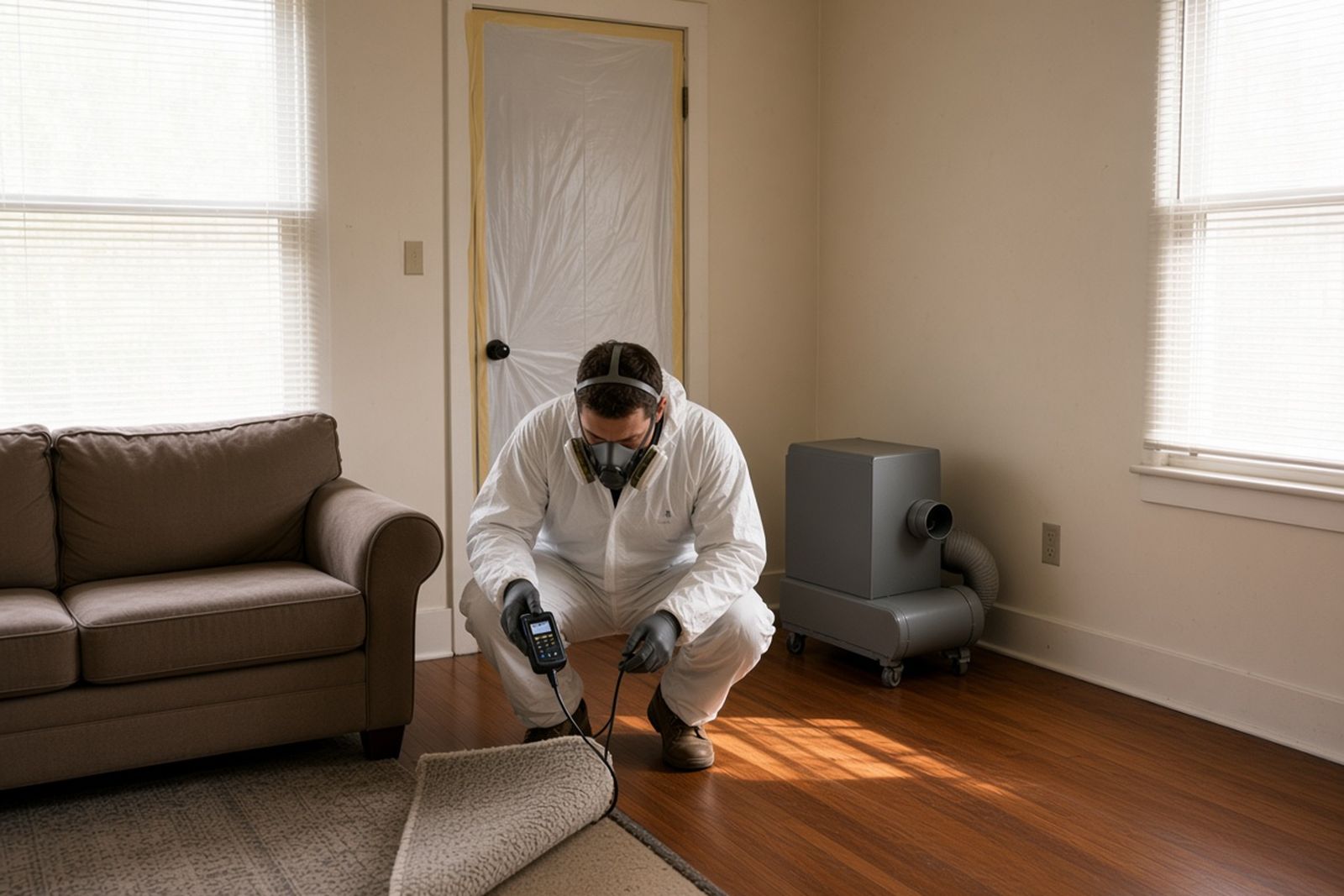
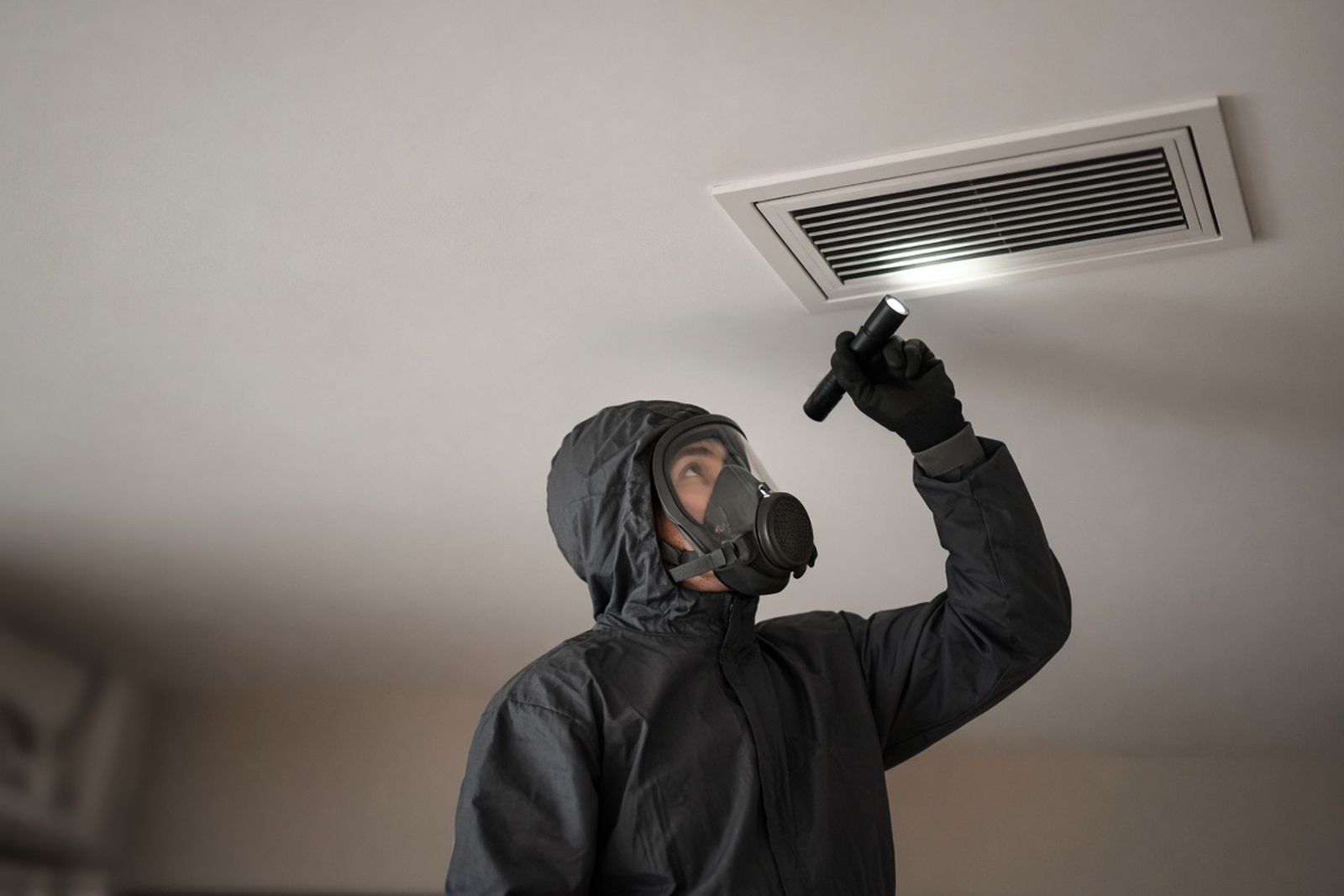
The biggest difference is investigation. Professionals use UV lights, moisture meters, infrared cameras, and inspection scopes to trace a smell to its origin. They also bring experience with patterns, such as how pet urine travels along baseboards or how smoke collects in closets and cabinets.
Professionals can remove materials safely and at scale. Pulling carpet and pad across several rooms, cutting out stained drywall, or treating a subfloor is a project many homeowners do not have the tools, time, or disposal options for.
They also have access to commercial products and equipment, such as enzyme concentrates, encapsulating primers, carbon scrubbers, and hydroxyl generators, along with training in how to use them. And they can verify results with a structured follow-up rather than relying on a nose that has adapted to the smell.
Professionals also know when to stop. If an inspection points to a plumbing leak, a roof problem, a dead animal inside a wall, or a failing vent, a good technician will say so and suggest the right trade rather than treating symptoms indefinitely.
Situations to leave to a professional
Some odor sources carry health or safety risks that go beyond unpleasantness. Decomposition after a death, large accumulations of animal or human waste, sewage backups, and rodent infestations can involve pathogens and require protective equipment and regulated disposal.
Mold is a special case. EPA advises in its 2024 guidance that mold patches under about 10 square feet can usually be cleaned by the occupant. Beyond that size, or if mold returns after cleaning, professional help is the safer route.
Any smell that could be gas, such as rotten eggs, sulfur, or a fuel odor, is an emergency. Leave the building, avoid switches and flames, and call the utility or 911 from outside. Do not try to find the source yourself.
After a traumatic event in the home, you may also choose professional help simply to avoid seeing or handling what remains. That is a valid reason on its own.
Are rented ozone machines a safe middle ground?
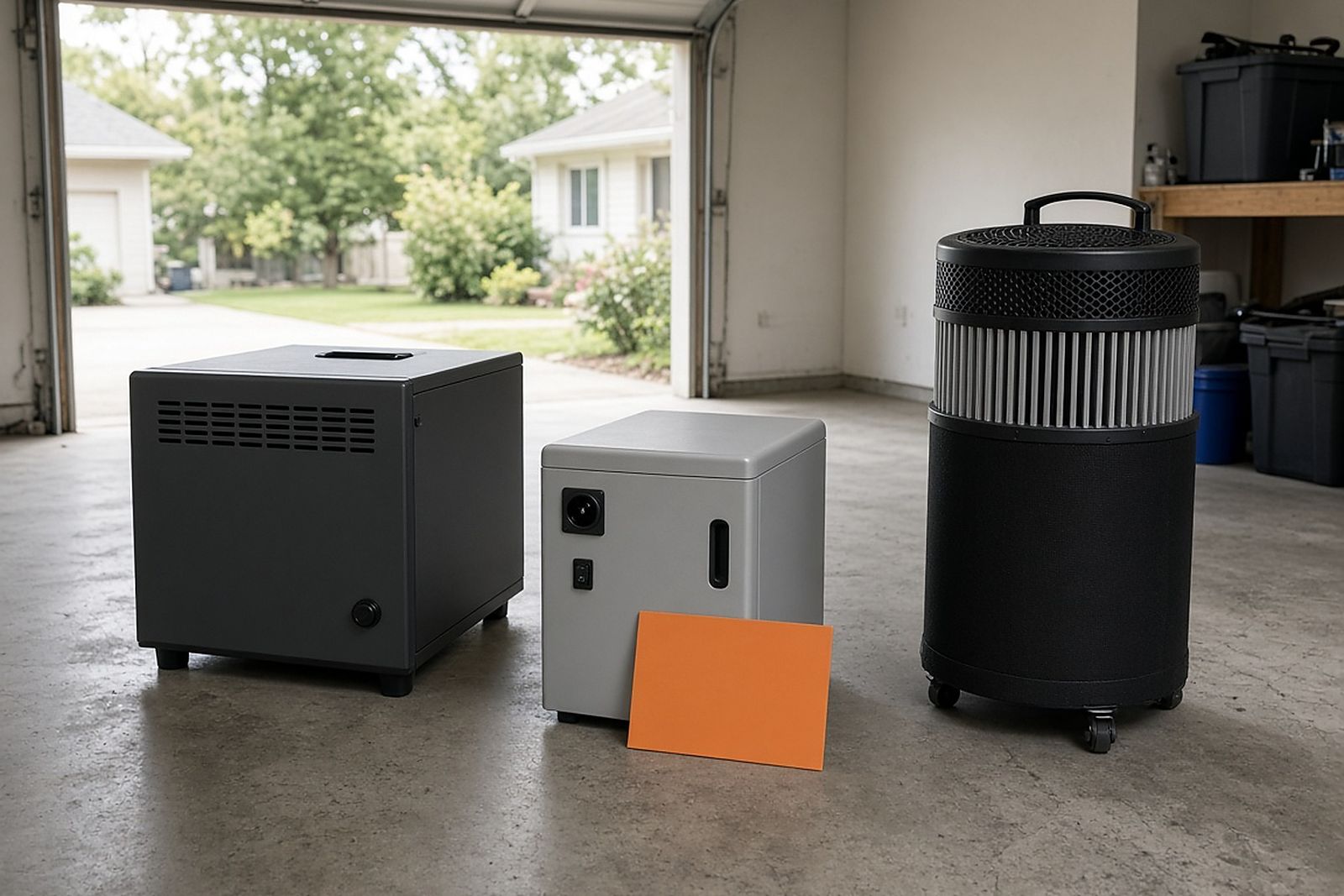
Ozone machines are easy to rent or buy online, which makes them a tempting DIY option. They also carry real risk when used without training.
Consumer-grade generators can produce enough ozone in a closed room to cause irritation, and people often return too soon or leave pets and plants inside.
Ozone can also damage rubber, some plastics, fabrics, and artwork, and it does little for a source that is still producing odor. If you are considering ozone, it is usually better to let a professional decide whether it fits and control the treatment.
Foggers sold for home use raise similar questions. Many contain fragrances or solvents that settle on surfaces, and some are flammable. Read the label carefully, never use them near pilot lights or open flames, and remember that fogging a room does not remove a source hidden in the carpet or walls.
DIY cleaning and your indoor air
Cleaning products contribute to indoor air pollution. EPA reports that levels of several organic compounds average 2 to 5 times higher indoors than outdoors, and some VOCs run up to ten times higher indoors. Heavy use of solvents, fragrances, and aerosols during an odor project can add to that load.
Ventilate while you work, use products according to their labels, and keep children and pets away from treated areas until surfaces are dry. If you notice headaches, dizziness, or breathing trouble, stop, get fresh air, and reconsider your approach.
Professionals choose products and ventilation strategies for the space and use respiratory protection when needed. That is part of what you are paying for.
Protect yourself physically as well. Gloves, eye protection, and a properly fitted mask are sensible when cleaning heavy residue, and anything involving body fluids, droppings, or visible mold calls for more protection than most people keep at home.
Signs a DIY attempt has hit its limit
Pet urine shows the pattern most clearly. Each spot gets an enzyme spray and the smell improves, yet a few months later the room smells sharply of ammonia on warm afternoons. A carpet shampooer, a stronger enzyme product, and an odor-absorbing gel each help for a few days, and then the smell is back. Often it is a visitor or a landlord who mentions it first, because the people living there have stopped noticing.
When a professional lifts the carpet in that situation, the urine has often soaked through into the pad and along the tack strip, and sometimes stained the subfloor. The fix is to replace the pad and tack strip, treat and seal the subfloor, and clean and relay the carpet. None of that is reachable with surface cleaning.
The warning signs are the same for most odor types: repeated attempts that work briefly, a smell that grows with heat and humidity, and an odor noticeable to visitors. Those signals point to a hidden reservoir that DIY methods usually cannot reach.
Comparing the costs
DIY looks cheaper up front, and for small problems it is. The hidden cost appears when attempts fail and the problem grows. Repeated products, rented equipment, and damage from shampooing or painting over a source can add up, and they sometimes make the professional job larger.
Professional costs vary widely with the source, the size of the affected area, and what must be removed or replaced. Ask for a written scope and compare what each proposal includes, especially source removal, sealing, and verification.
Insurance may factor in for some odor sources, such as smoke from a covered fire or a sudden water loss, but coverage depends on your policy and the cause. Ask your carrier before work begins, and keep receipts for any DIY supplies you used in case they matter to a claim.
If you rent, check your lease before starting any work that involves removing flooring or painting. Your landlord may prefer to arrange repairs or may have rules about who can do them.
What should I try first, and when should I call?
Start with the simplest, safest steps. Find and remove anything you can see, clean hard surfaces with an appropriate cleaner, wash fabrics, ventilate, and control humidity. Give it a few days.
Keep notes while you try. Write down what you cleaned, which products you used, and how the odor changed over the following days. If you do call a professional, that record saves investigation time and helps the technician rule out areas you already handled.
Call a professional when the odor returns, when you cannot find the source, when materials are soaked or stained deeply, or when the source involves health risks such as decomposition, sewage, mold, or possible gas. Before you haul soaked carpet, pad, or other contaminated material to the curb, ask your city or county solid waste office how it wants those items handled.