Short answer
Odor removal cost is driven mainly by the source of the smell, how far it traveled into porous materials, and whether those materials must be removed. A surface pet odor in one room is a very different job from smoke in a whole house or decomposition that reached the subfloor. Air treatment is usually a smaller share than source removal, sealing, and verification.
Why do two odor quotes for the same house differ so much?
Because the providers may be pricing different jobs. One company might quote a fogging treatment and a deodorizer for every room. Another might quote pulling carpet and pad in two bedrooms, sealing the subfloor, cleaning ductwork, and then treating the air. Both call it odor removal.
The cheaper quote often addresses the air while leaving the reservoir in place. The more expensive one attacks the reservoir. If the smell comes back a month later, the cheaper job was not actually cheaper.
When you compare quotes, line them up by what each one removes, what each one cleans, and what each one only treats. That comparison tells you far more than the total at the bottom.
How the source changes the price
The source determines where the odor molecules went and how hard they are to reach. Each common source has its own pattern.
Published consumer guides give a rough sense of range for some sources. Fixr reported in 2025 a national average pet odor removal cost of $650, with most homeowners paying $500 to $800 and enzyme cleaning running $30 to $40 per room. Treat numbers like these as orientation, not a quote for your home.
- Pet urine: wicks through carpet into pad and often into wood subfloor; cost climbs when pad and subfloor are involved
- Tobacco and cannabis smoke: coats walls, ceilings, cabinets, and duct interiors; cost scales with square footage and HVAC work
- Fire smoke: mixes soot residue with odor; often combined with restoration of contents and structure
- Decomposition: fluids reach flooring, framing, and sometimes the level below; requires biohazard protocols and regulated disposal
- Sewage and musty odors: tied to water and moisture; the moisture source must be fixed before odor work lasts
- Skunk and animal intrusion: often localized in crawlspaces or attics; access difficulty drives the cost
Depth of penetration, the biggest driver
Depth is usually the biggest single driver. A smell sitting on a sealed surface can often be cleaned in hours. The same smell soaked into carpet pad, drywall paper, or wood framing may require removal, sealing, and rebuilding.
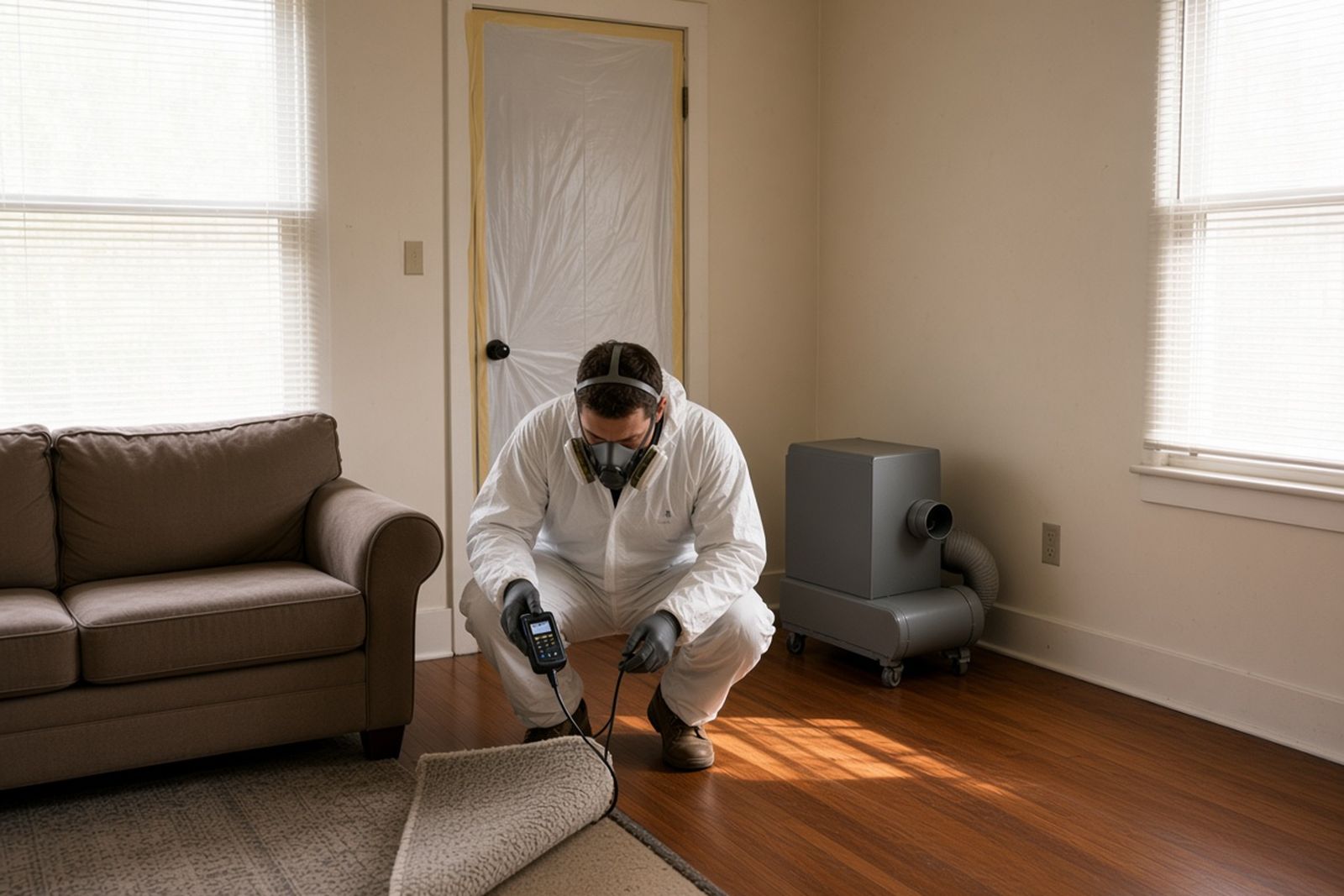
A good technician investigates before quoting. Moisture meters, UV lights for urine, and simply lifting a carpet corner or pulling a baseboard show how far the problem went. If a provider quotes without looking under anything, ask how it knows the extent.
Removal adds labor, disposal, and reconstruction. Once pad is pulled, it must be replaced. Once drywall is cut, it must be patched and painted. Some odor companies handle only the remediation and hand you off to a contractor for rebuild, so ask whether reconstruction is included or separate.
The machine is the smaller part of the bill
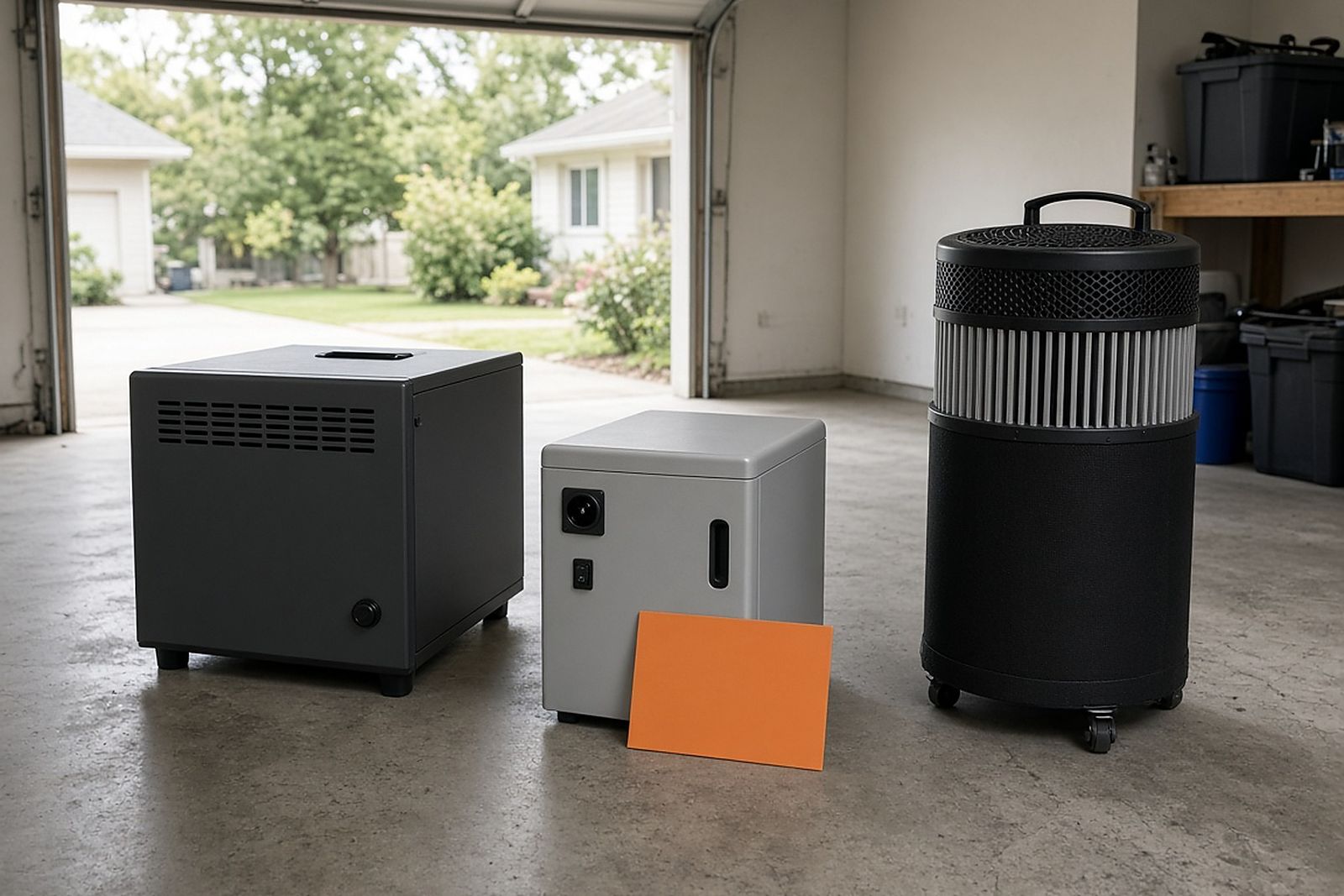
Air treatment such as hydroxyl generators, thermal fogging, or ozone often gets the attention, but it is typically a smaller portion of a well-built scope. HomeAdvisor lists smoke odor treatments such as ozone at $400 to $800 and thermal fogging at $200 to $600 as part of its 2026 fire and smoke remediation guidance.
Air treatment works best as the final step after the source is gone. Used alone, it may reduce odor temporarily while the reservoir keeps releasing it. Federal indoor air guidance has also cautioned that ozone at levels safe for occupants does little to many common odor compounds, which is one more reason not to rely on it alone.
Ozone also carries occupancy and material limits. People, pets, and plants must be out of the space, and some rubber, fabrics, and artwork can be damaged. Those precautions, plus the time the home must stay vacant, add to the real cost even when the machine rental looks modest.
Other factors that quietly move the quote
Beyond source and depth, several practical details shift the number. Ask each provider how these apply to your home.
Timing matters as well. A fresh odor problem addressed within days is usually smaller than the same problem left through a hot summer. Heat and humidity drive odor compounds deeper into materials and pull them back out again, so waiting rarely makes a job cheaper.
- Square footage and the number of rooms affected, including closets and stairwells
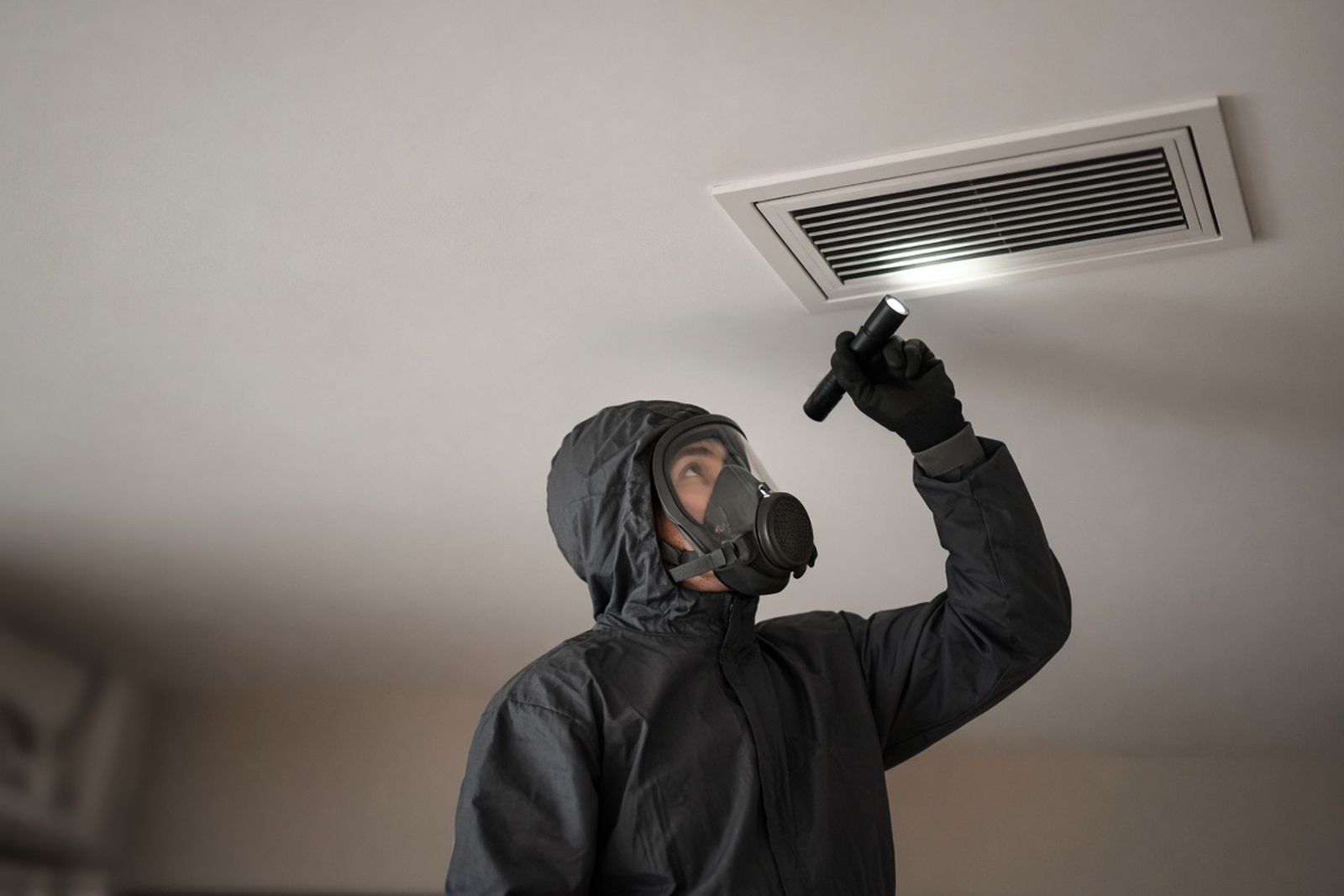
- HVAC involvement, since duct cleaning, coil cleaning, and filter changes add scope
- Contents: furniture, mattresses, clothing, and books may need cleaning, ozone chambers, or disposal
- Access: crawlspaces, attics, and tight wall cavities take more time and protective gear
- Biohazard protocols: decomposition and some sewage jobs require trained crews, PPE, and regulated waste handling
- Occupancy: working around residents takes longer than working in a vacant unit
- Verification: post-treatment testing or a scheduled return visit is sometimes priced separately
A cost conversation, illustrated
An illustrative example shows how this plays out. Ellen, a composite landlord rather than a real client, gets back a two-bedroom apartment after a long-term tenant who smoked indoors and kept two cats. The unit smells of both smoke and urine, and the previous paint job has turned yellow near the ceilings.
Ellen gets three quotes. The first offers a whole-unit ozone treatment and carpet shampoo. The second proposes removing carpet and pad in both bedrooms, cleaning and sealing the subfloor where UV shows urine, washing all walls and ceilings, sealing them with an odor-blocking primer, cleaning the ducts, and running hydroxyl afterward. The third proposes the same work but adds replacement of the kitchen cabinet interiors and a return visit two weeks later to verify.
Ellen realizes the first quote leaves the pad and the wall residue in place. She compares the second and third line by line, asks the second company whether it will return if the smell persists, and chooses based on which scope addresses the reservoirs she can see. She also keeps the photos and invoices for the security deposit accounting.
For context, a UCLA survey of California apartment operators published in 2011 found smoking-related costs for recently vacated units averaged nearly $5,000 per year, with a median of $2,000. Ellen's numbers will be her own, but that study helps explain why she budgets for turnover rather than hoping a single treatment is enough.
Is it cheaper to try DIY first?
Sometimes. A fresh pet accident on a sealed floor, a musty closet after a single spill, or a light smoke smell in one room can often be handled with good cleaning, enzyme products used as labeled, fresh air, and dry conditions.
DIY becomes expensive when it pushes the problem deeper. Shampooing a urine-soaked carpet can drive the liquid into the pad. Painting over smoke residue without cleaning first can trap the odor, which then bleeds back through. Masking sprays and candles only delay the real work.
Be careful with products as well. Mixing cleaners can release harmful gases, and some consumer deodorizers leave residues that make later professional work harder. If you do try cleaning yourself, use one product at a time, follow the label, ventilate, and keep a note of what you applied so a technician knows what is already on the surface.
Stop and call a professional if the smell returns after cleaning, if anyone feels ill, if the source involves a death or sewage, or if you cannot find the source at all. A smell you cannot trace is worth an inspection.
Telling whether a quote is fair
A fair quote is specific. It names each room, each material, and each action: remove, clean, seal, treat, or verify. It explains why each step is needed and what happens if the odor persists.
Ask for the scope in writing before work starts, and ask what is excluded. Common exclusions include rebuild work, contents, HVAC, and any hidden damage found after walls are opened. Ask how change orders are handled so a mid-job discovery does not become a surprise invoice.
Finally, ask how the provider will show you the job worked. A walk-through with windows closed after the space has sat for a while, a moisture reading, or a return visit are all reasonable. A company confident in its source work will not mind being asked.
Can insurance or a deposit offset the cost?
Possibly, depending on the cause. Odor tied to a sudden covered event, such as a fire, may be considered as part of that claim. Odor from pets, smoking, or gradual neglect is usually excluded from homeowners coverage.
Landlords may be able to apply a tenant's security deposit to documented damage beyond normal wear, but deposit rules and deadlines differ by location. Check them with a housing attorney or your local landlord-tenant agency before deducting.
Whatever route you take, the same records help: photos, a written scope, invoices, and a note of how the odor was verified as resolved.