Short answer
Before odor removal starts, assess ten risks: gas or sewer leaks, biological sources, mold, chemical mixing and fumes, ozone exposure, flammable foggers and ignition sources, hidden hazards opened during demolition, confined or hot work spaces, vulnerable occupants and pets, and damage to belongings. Identifying each one first protects the people in the home and the crew, and keeps a smell problem from becoming a health problem.
Why assess safety before tackling a smell
Odor removal can look like a simple cleaning job, but smells are signals. Some point to harmless sources, such as old cooking grease. Others point to leaking gas, sewage, decomposition, or mold. The same tools used to fix the problem, including strong chemicals, ozone, and thermal foggers, carry risks of their own.
A short safety assessment before work begins changes the order of operations. It decides whether the job starts with a utility call, protective equipment, a moisture investigation, or simply moving the family and pets out for a day.
Use the ten risks below as a checklist, whether you are hiring a provider or reviewing a plan they have given you.
None of these risks means the job cannot go ahead. Most are managed with a phone call, a change in sequence, the right protective equipment, or a few hours out of the house. The danger comes from skipping the assessment and discovering a hazard halfway through the work.
- 1. Gas leaks and sewer gas
- 2. Biological sources such as decomposition, waste, or rodents
- 3. Mold and hidden moisture
- 4. Chemical mixing and cleaning fumes
- 5. Ozone exposure
- 6. Flammable foggers and ignition sources
- 7. Hidden hazards exposed during demolition
- 8. Confined, hot, or hard-to-reach work areas
- 9. Vulnerable occupants and pets
- 10. Damage to belongings and building materials
Risks 1 and 2: gas, sewer gas, and biological sources
Risk 1 is the most urgent. A rotten-egg or sulfur smell can come from natural gas, which has an odorant added, or from sewer gas containing hydrogen sulfide. Both need attention before any cleaning. For hydrogen sulfide, NIOSH sets a 10-minute ceiling of 10 ppm and classifies 100 ppm as immediately dangerous to life or health, according to its 2019 Pocket Guide.
If you suspect gas, leave the building, avoid switches, phones, and flames inside, and call the utility or 911 from outside. For sewer odors, a plumber may need to check dry traps, broken vent pipes, or failed seals before odor work can begin.
Risk 2 involves biological sources. Decomposition after a death, large amounts of pet or human waste, rodent nests and droppings, and sewage backups can carry pathogens. These sources call for protective equipment, careful removal, and in many cases regulated waste handling. A provider should identify them during inspection and adjust the plan accordingly.
Carbon monoxide is worth mentioning here as well. It has no smell, but a combustion odor from a furnace, water heater, or fireplace can accompany a venting problem. If you notice exhaust smells, headaches, or dizziness indoors, get outside and have fuel-burning appliances checked before any odor work begins.
Risk 3: mold and hidden moisture
Musty smells often mean moisture, and moisture often means mold. Mold can grow behind drywall, under flooring, in crawlspaces, and inside HVAC systems long before it becomes visible.
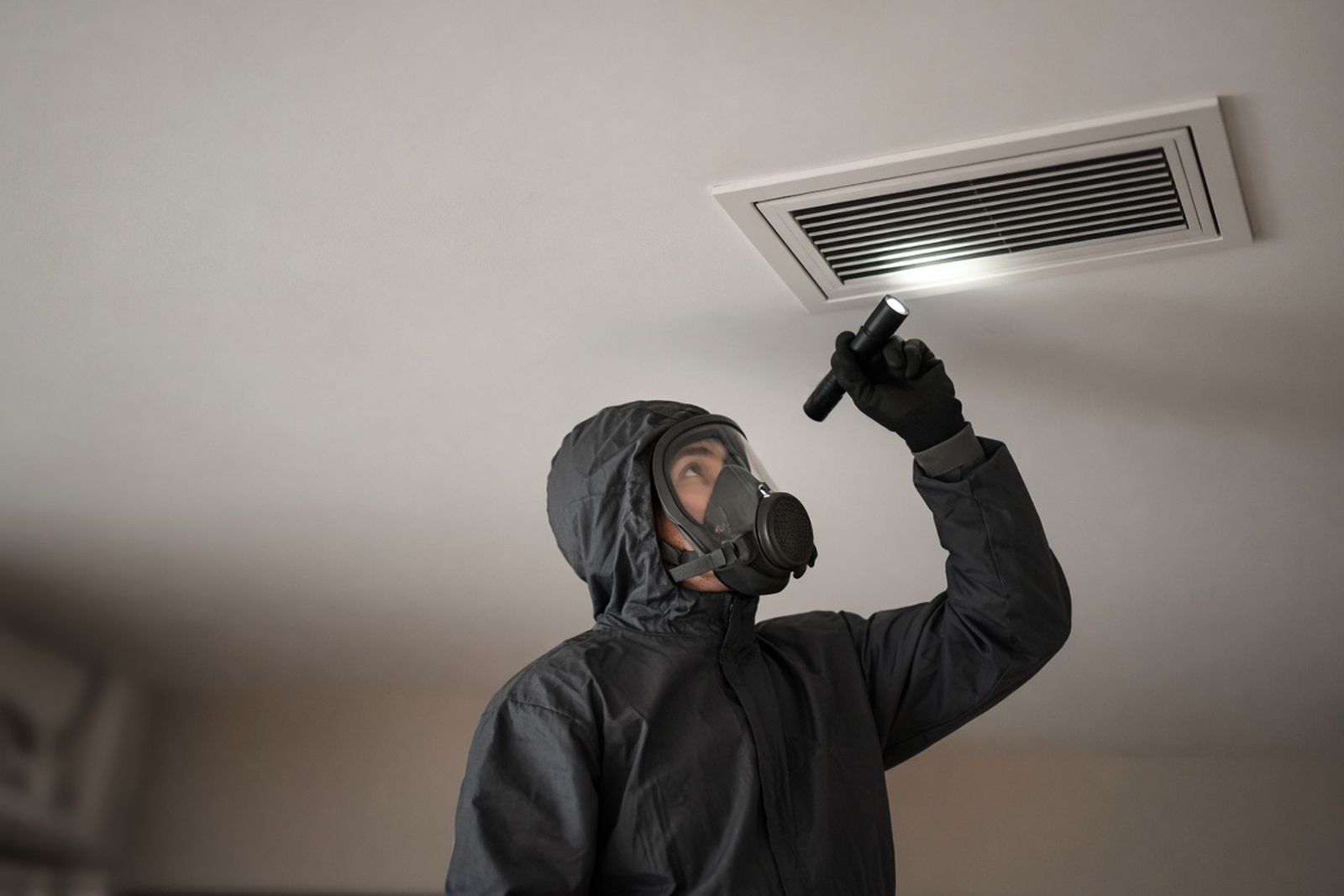
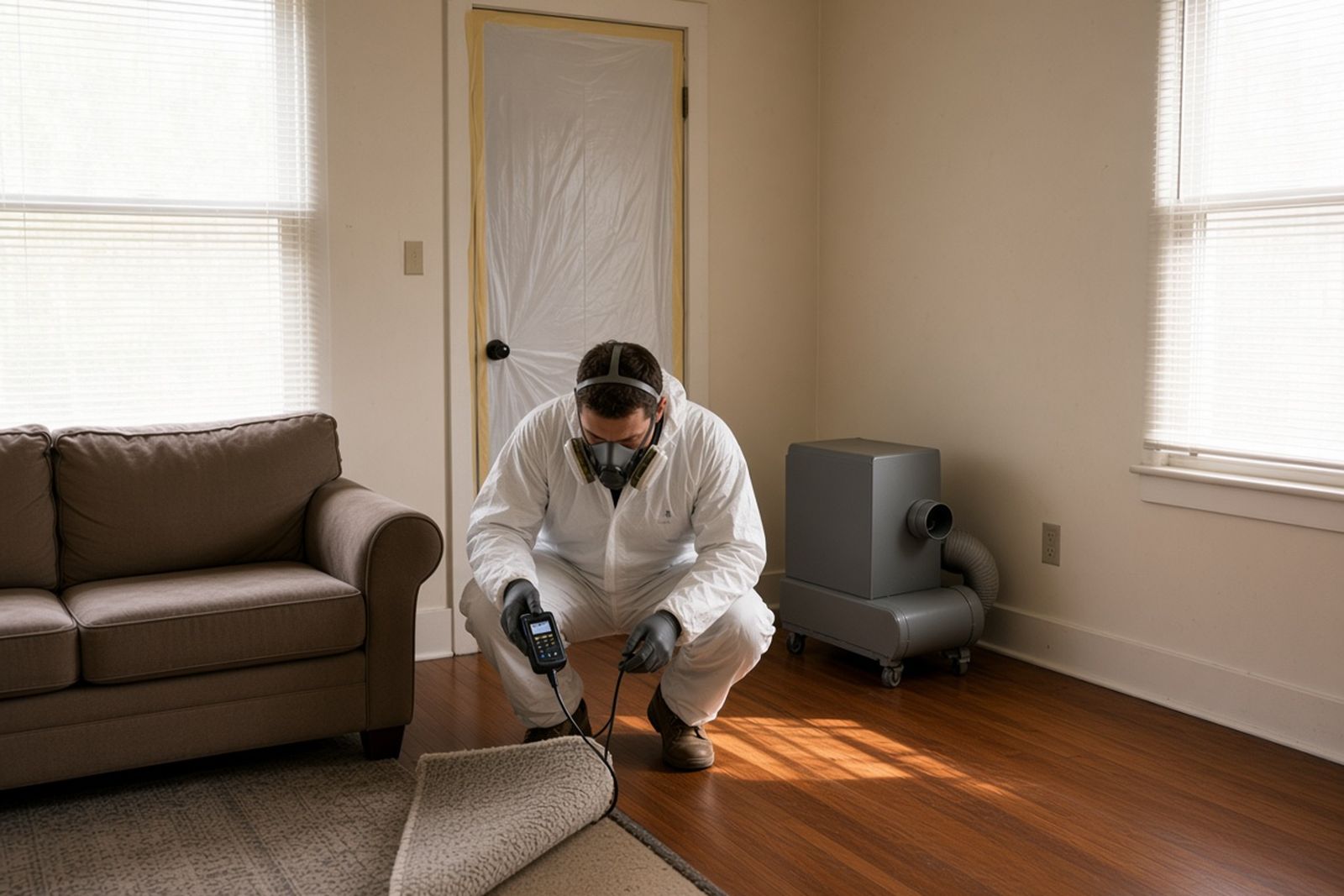
Disturbing moldy materials during odor work can release spores into the air. Before demolition, a provider should check for moisture with meters or infrared cameras and set up containment if mold is likely. People with asthma, allergies, or weakened immune systems should stay away from the work area.
Fixing the moisture source, such as a leak or poor ventilation, comes first. Otherwise, the odor and mold return after cleanup.
Ask whether the provider will set up plastic sheeting and negative air during removal of damp materials. Those steps keep spores and dust from traveling through the house while the source is being cut out.
Risk 4: chemical mixing and fumes
Odor removal uses enzymes, oxidizers, solvents, and sealers. Many are safe when used as labeled, but some produce fumes, and certain combinations are dangerous. Bleach mixed with ammonia or acids can release toxic gases.
Ask the provider which products they will use and request safety data sheets. Confirm how the space will be ventilated during and after application and when it is safe to return.
If you have been trying DIY treatments, tell the technician exactly what you used. Residue from a product you applied could react with the provider's chemicals.
Workers face the same exposure over many jobs. Respiratory protection, gloves, and eye protection should match the products in use, and the crew should take breaks in fresh air when working with strong solutions in small rooms.
Risk 5: ozone exposure
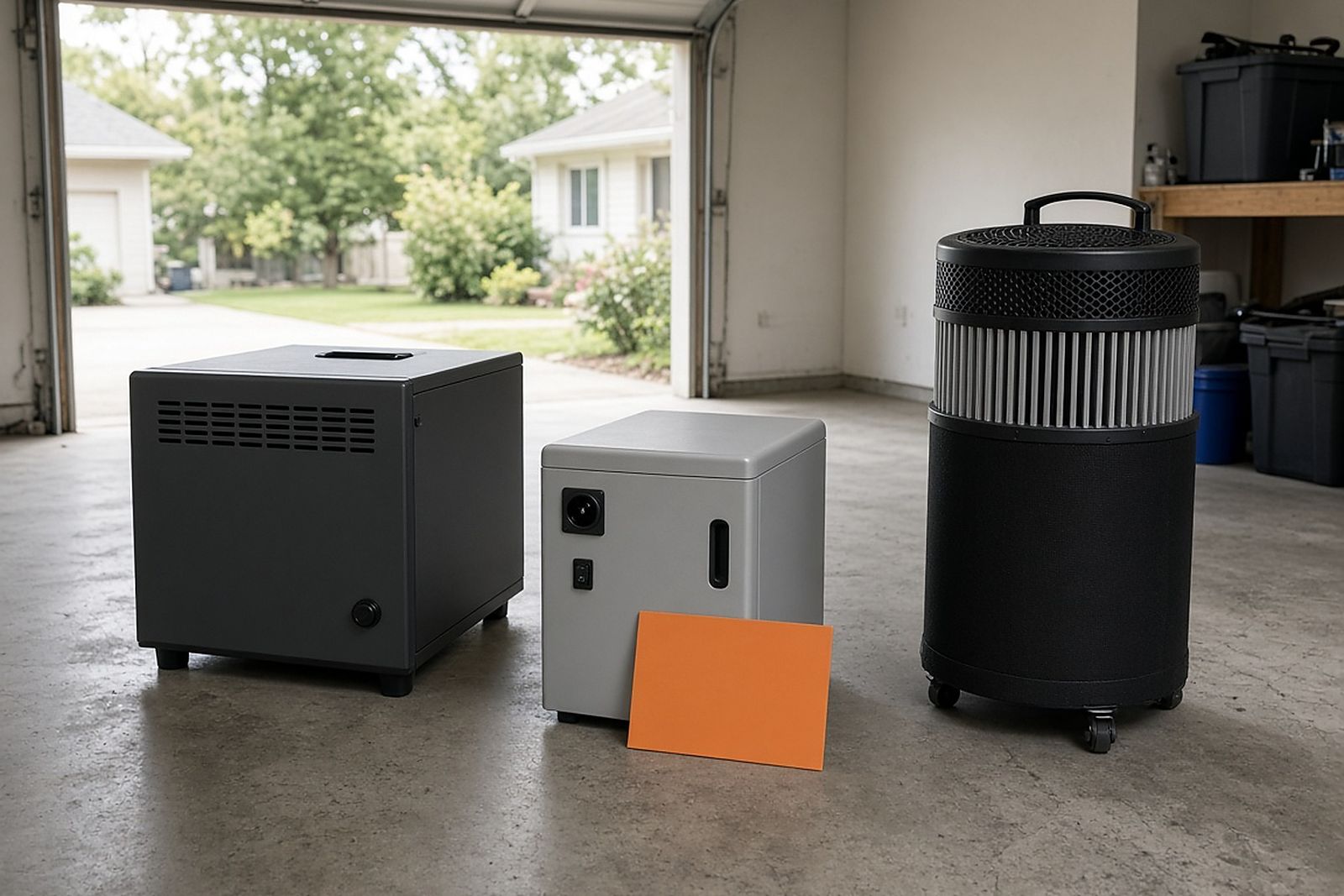
Risk 5 is ozone. Ozone generators can help with certain odors, but the gas irritates the lungs. OSHA's permissible exposure limit for ozone is 0.1 ppm (0.2 mg/m3) as an 8-hour time-weighted average for workers, according to its 2024 chemical database. Treatment concentrations are typically far higher than that, so the space must be empty of people, pets, and plants, sealed during treatment, and ventilated before re-entry.
Ask the provider how they will prevent anyone from entering, how long treatment will run, and how they will confirm the space is safe. Ozone can also degrade rubber, some plastics, and fabrics.
Risk 6: flammable foggers and ignition sources
Risk 6 is fire. Thermal foggers heat deodorizing solutions, and some solutions are flammable. Pilot lights, candles, and sparks from appliances can ignite a fog. Providers should shut off ignition sources, follow the equipment and solution labels, and never leave a running fogger unattended in a way the label does not allow.
Risk 7: hidden hazards behind walls and floors
Risk 7 covers hidden hazards behind walls and floors. Cutting drywall or pulling flooring can expose electrical wiring, plumbing lines, and gas pipes. In older buildings, materials such as some flooring, joint compound, pipe insulation, or paint may contain asbestos or lead. A provider should ask about the building's age and arrange testing when needed before disturbing suspect materials.
Sharp objects, including nails, tack strips, broken glass, and in some homes discarded needles, can also appear during removal. Workers need cut-resistant gloves and careful handling practices.
Risk 8: confined, hot, or cramped work spaces
Risk 8 is the work space itself. Attics can be dangerously hot, crawlspaces may have poor air, pests, and standing water, and closets or cabinets restrict movement. Some spaces may qualify as confined spaces with special rules. Ask how the crew will manage heat, ventilation, lighting, and access in these areas.
Risk 9: vulnerable occupants and pets
Some people and animals are more sensitive to chemicals, dust, and air treatments. Infants, older adults, pregnant people, and anyone with asthma, allergies, or heart or lung conditions may need to leave during certain phases.
Pets deserve special attention. Birds are extremely sensitive to airborne chemicals and should be moved well away from treated areas. Fish tanks may need to be covered or relocated. Cats and dogs should not return until surfaces are dry and the air has cleared.
Tell the provider who lives in the home and any health concerns, so they can plan the schedule and choose products accordingly.
If someone in the home needs medical equipment, such as oxygen or a nebulizer, tell the provider before work begins. Oxygen equipment, in particular, should be kept far from foggers, heat sources, and any treatment that could create a fire risk.
Risk 10: damage to belongings and materials
Oxidizers can bleach fabrics and carpets. Ozone can crack rubber and fade some materials. Moisture from cleaning can warp wood floors or damage electronics. Sealers can stain surfaces they are not intended for.
Ask what should be removed or covered before work begins, especially artwork, heirlooms, instruments, electronics, and houseplants. A good provider will point out fragile items and suggest safe storage.
Document valuable belongings with photos before work begins. If something is damaged, clear records help resolve the issue.
Clothing and textiles stored in treated rooms can pick up residual chemical smells. Bag or move stored clothing, bedding, and linens out of the area, or ask the provider whether they should be cleaned separately after the job.
How an assessment reshapes the plan (illustrative)
To see how an assessment reshapes a plan, take an illustrative basement job rather than a real client's. A family calls about a strong, sour smell in a 1950s home's basement after a long vacation. During the inspection, the technician notices the smell is strongest near a floor drain and that the family's parakeet cage is nearby.
The technician checks the drain trap and finds it dry, which can allow sewer gas into the home. The family is advised to call a plumber, who refills the trap and repairs a cracked vent pipe. Moisture readings then reveal damp drywall near the laundry area, and the technician recommends testing the joint compound before cutting, given the home's age.
The parakeet is moved to a relative's home for the duration. The work plan now includes containment for the drywall removal, a carbon scrubber, and a low-odor sealer. Ozone is ruled out because of the home's many rubber gaskets in an older boiler system. The assessment added a day but prevented several avoidable hazards. If testing does find asbestos or lead, ask the provider which licensed contractor and disposal facility will handle those materials.