Short answer
Odor removal technicians need PPE matched to each phase of the job, not one outfit for the whole visit. Inspection may call only for gloves and eye protection. Removing urine-soaked, smoke-coated, or decomposition-affected materials adds fluid-resistant clothing and particulate respirators. Solvent sealers and fogging solutions require vapor cartridges. Ozone treatments call for keeping people out entirely rather than relying on masks.
Why odor work needs a task-by-task hazard assessment
Odor removal looks gentle from the outside. There is no fire hose, no crime tape, and often no visible mess. Yet a single job can move from sniffing out a source with a flashlight, to ripping out carpet pad soaked with years of pet urine, to scrubbing nicotine film off ceilings, to rolling solvent-based sealer onto bare studs, to running a thermal fogger in a closed house.
Each of those phases exposes the technician to something different: biological material, fine dust, alkaline cleaners, organic vapors, or oxidizing gases. PPE that is right for one phase can be useless or even counterproductive in the next. A dust mask does nothing against sealer fumes, and heavy chemical gloves make delicate inspection work clumsy.
A written hazard assessment, which OSHA's general PPE standard requires of employers, forces the company to think through each phase before the truck rolls. The best assessments are organized by task, so a technician can glance at a job sheet and see exactly what to wear for demolition, cleaning, sealing, and treatment.
Not every job includes every phase, and the source of the odor changes the weight of each hazard. A kitchen fire, a hoarded apartment, a long-term smoker's condo, and a home after an unattended death each produce a different mix.
Listing hazards by phase keeps the assessment practical and helps new technicians understand why their gear changes during the day.
The occupants matter to the list too. A home with an elderly resident still living in one wing, a business that must stay open during treatment, or a rental with pets left behind will change where containment goes and how long certain areas must stay empty, which in turn changes what technicians wear and when.
- Inspection: unknown sources, hidden sharps or droppings, poor lighting, tight spaces
- Source removal: biological fluids, mold, soot, fiberglass, and construction dust
- Cleaning: alkaline degreasers, enzyme digesters, oxidizing cleaners, and splashes
- Sealing: solvent vapors from stain-blocking primers and coatings
- Treatment: fogging aerosols, hydroxyl or ozone equipment, and chemical odor counteractants
- Throughout: heat, lifting, ladders, and slips on wet floors
Inspection and source tracing
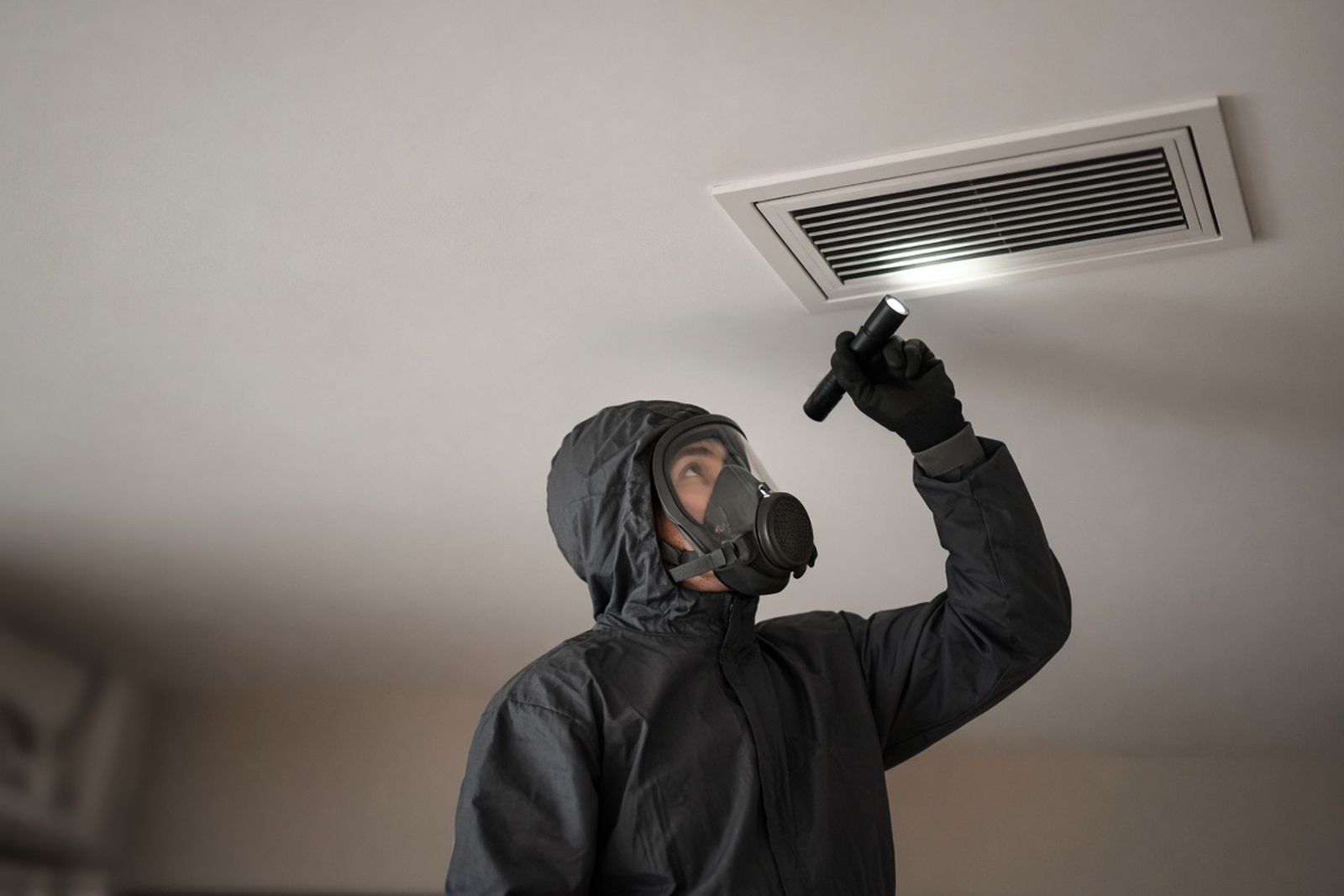
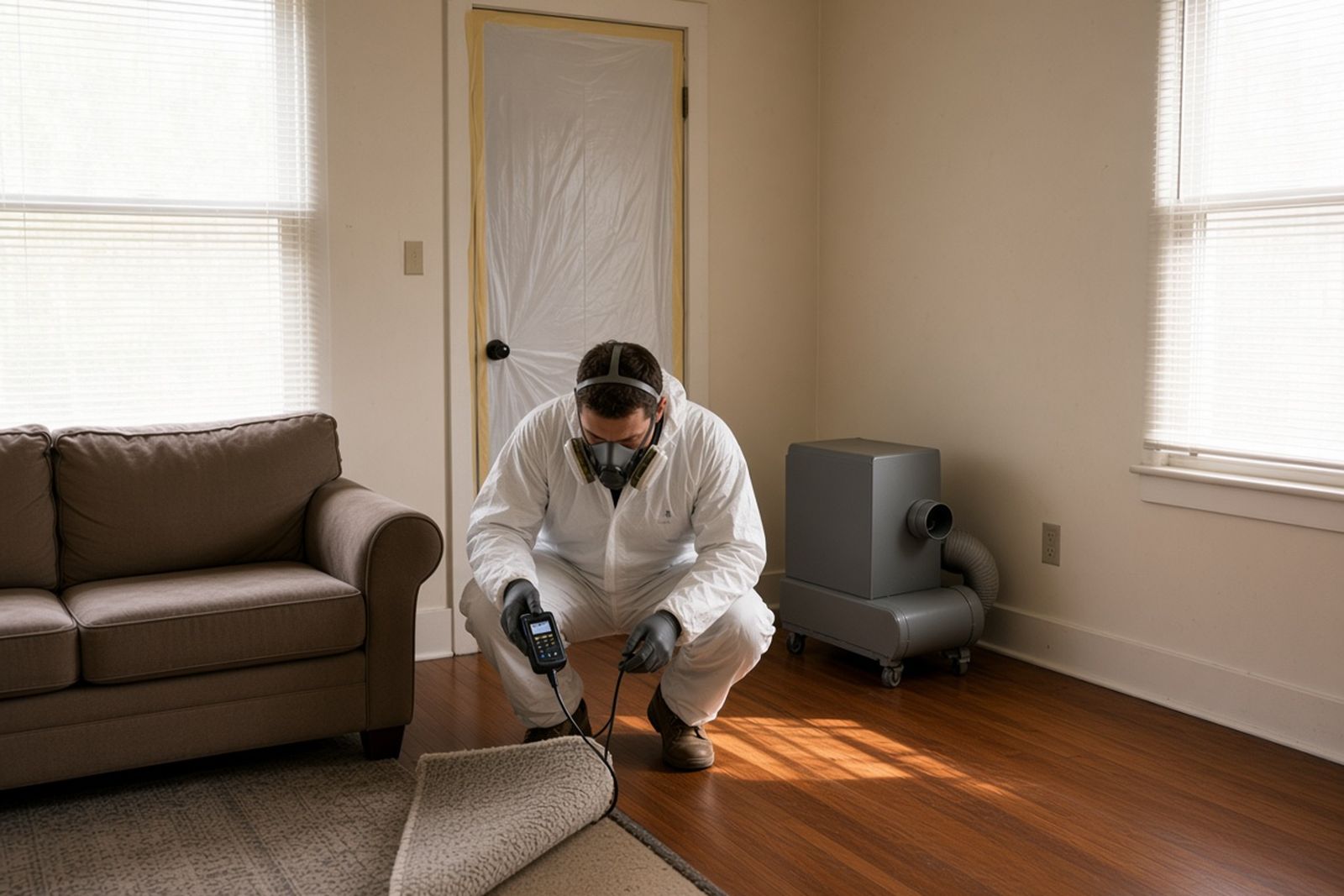
Inspection is mostly looking, measuring, and asking questions. Technicians use UV lights to find urine deposits, moisture meters to locate wet materials, and sometimes small borescopes to look inside walls. Protection during this phase is usually light but should never be zero.
Disposable gloves and safety glasses are sensible minimums because technicians touch surfaces they have not yet evaluated. UV inspection lights call for eye protection rated for ultraviolet exposure. In homes with visible droppings, mold, or evidence of drug use, add shoe covers and a particulate respirator from the start and move carefully around hidden sharps.
The inspection is also when the technician updates the hazard assessment. Discovering that a smell comes from a failed sewer line rather than pets, or from decomposition rather than spoiled food, changes the PPE plan for every later phase.
Good lighting counts as protection in this phase. Headlamps and portable work lights let technicians see needles, broken glass, or droppings before a hand lands on them, and they reduce the temptation to reach blindly into closets, under sinks, or behind appliances where odor sources often hide.
Tearing out contaminated materials
Demolition is usually the dirtiest phase. Pulling carpet and pad, cutting out drywall, and removing insulation release dust and, in some homes, biological material. If body fluids are involved, the work falls under bloodborne pathogen practices, with fluid-resistant coveralls, double gloves, face protection, and careful bagging of removed materials.
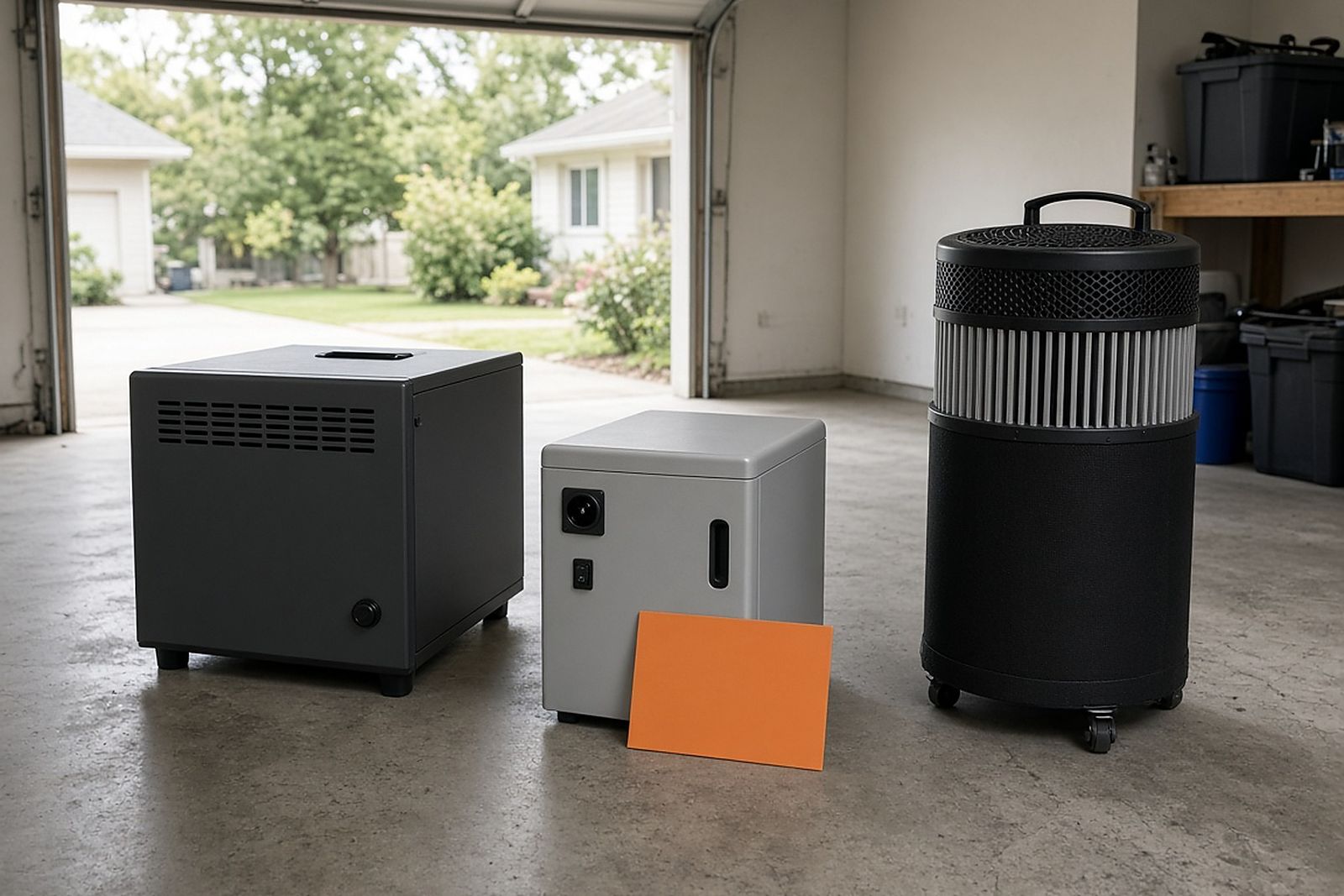
Smoke-damaged materials bring fine soot particles that coat skin and lungs. Particulate respirators, full-coverage disposable suits with hoods, and eye protection that seals around the face keep soot from settling on the technician. Negative air machines and HEPA vacuums reduce what stays in the air, though HEPA filtration does nothing for gaseous odor molecules.
Knee pads, cut-resistant gloves for tack strip and nails, and sturdy footwear protect against the physical side of demolition. These injuries are less dramatic than chemical exposure but far more common.
Skin and eye protection during cleaning
Odor cleaning chemicals range from mild enzyme products to strong alkaline degreasers used on nicotine and grease. Many are irritating to skin and eyes, and some can cause burns in concentrated form. The product's safety data sheet lists the recommended glove material and eye protection.
Nitrile gloves suit many products, but longer cuffs or chemical-resistant gauntlets help when technicians wash ceilings and water runs down their arms. Splash goggles or a face shield over safety glasses protect eyes during overhead work, which is where most splashes happen.
Residue itself can be a skin concern. Technicians handling smoke-coated walls, ceilings, and cabinets should keep gloves on throughout and wash exposed skin before breaks.
Respiratory protection, ozone, and crawlspaces
Sealing and fogging are the phases where vapors dominate. Shellac-based and solvent-based primers release organic vapors, especially when rolled or sprayed onto large areas in closed rooms. Thermal fogging solutions produce a dense aerosol that fills every corner of a space.
Particle filters alone are not enough. Technicians need respirators with organic vapor cartridges or combination cartridges, selected against the product's safety data sheet, and a written change schedule so cartridges are replaced before they saturate. Some fogging tasks may call for a higher level of protection or for leaving the space while the fog settles.
Because these respirators are required rather than voluntary, OSHA's Respiratory Protection standard applies. That includes medical evaluation, fit testing, training, and a written program. Facial hair that breaks the seal of a tight-fitting respirator is a common reason a technician cannot safely wear one.
Ventilation lowers the burden on respirators. Exhaust fans placed in windows, open doors on the far side of the house, and scheduling sealer work on cooler days all reduce vapor levels. The respirator remains necessary, but it becomes a backup to good air movement rather than the only barrier.
Ozone and high-output oxidizing treatments are a special case. The main control is not a mask but distance. The treated area is posted, secured, and left empty while equipment runs. Technicians should start and stop machines remotely or on timers where possible and re-enter only after ventilation and verification.
Crawlspaces bring their own hazards: mold, rodent droppings, standing water, sharp debris, and poor air. Widespread mold, or any crawlspace with heavy contamination, deserve professional protection, including disposable coveralls, particulate respirators, and knee and elbow pads.
Rodent droppings should be wetted with disinfectant before removal rather than swept or vacuumed dry, which can make particles airborne. A second person outside the crawlspace entrance adds a margin of safety.
How PPE shifts across a smoke-damaged unit
A condo where a tenant smoked indoors for years is a good test of whether a PPE plan is really organized by phase. The assessment for that kind of unit typically lists four phases: removing carpet and blinds, washing every surface, sealing walls and ceilings, and a final treatment.
For demolition, the crew wears disposable coveralls, nitrile gloves under cut-resistant gloves, safety glasses, and half-face respirators with particulate filters. For washing, they switch to longer chemical-resistant gloves and goggles for the alkaline cleaner running down from the ceilings, and they keep the particulate respirators on while HEPA air scrubbers run.
Sealing brings a change of cartridges to organic vapor protection because the primer is solvent based. The crew opens windows, runs exhaust fans, and rotates people out of the rooms being coated.
For the final treatment, the technician starts the hydroxyl units, leaves the unit, and posts the doors. No one wears a respirator inside during treatment, because no one is inside. The crew returns only after the scheduled run and ventilation, then checks the space before the owner's walkthrough.
What should you ask an odor company about its PPE?
Ask the company how its protective gear changes between demolition, cleaning, sealing, and treatment. A thoughtful answer shows that it has assessed the work rather than relying on one universal outfit.
Watch how the crew behaves on the first day. Technicians who change gloves between rooms, keep respirators on during dusty work, and bag used suits before walking through clean areas are following a real plan. Crews who work in street clothes while tearing out soiled carpet are telling you something too.
You can also ask for safety data sheets for the products they plan to use in your home and how long you should stay out afterward.