Short answer
Odor removal has shifted from covering smells with fragrance toward finding and removing the source, cleaning residue, sealing what cannot be removed, and treating the air only at the end. Along the way, the industry adopted tools like UV lights and moisture meters, grew more cautious about ozone, and gained a formal standard for fire and smoke odor published in 2025.
Before modern odor removal: masking
For most of history, the main answer to an unpleasant smell was to cover it. Herbs, flowers, incense, and perfumed oils were used in homes and public spaces to make rooms more pleasant. Airing out rooms, washing fabrics, and burning aromatic materials were common household habits.
Those methods reflected what people understood at the time. Many cultures believed that bad air itself carried disease, so pleasant scents were thought to protect health as well as comfort. Covering an odor felt like solving it.
Masking still has a place in daily life, but it does not remove anything. The fragrance and the original odor simply compete in the air. When the fragrance fades, the original smell is still there. That basic limitation is what later odor practice set out to overcome.
From covering odors to finding and removing them
As cleaning and restoration became their own trades, practitioners learned that most lasting odors come from a physical source: a residue, a stain, a moist material, or a contaminated surface. Removing or neutralizing that source mattered more than anything added to the air.
This insight grew out of related work. Carpet cleaners saw how pet urine soaked through carpet into pad and subfloor. Fire restoration crews saw how smoke residue clung to walls, ceilings, and the insides of ductwork. Water damage specialists saw how damp materials produced musty smells that returned until the moisture was fixed.
Over time, a consistent approach emerged. Find the source. Remove what cannot be saved. Clean what can be cleaned. Seal what must stay but cannot be fully cleaned. Treat the air last. Modern odor removal still follows that order, and it is the clearest line between current practice and the masking methods that came before.
Early odor work relied almost entirely on the technician's nose. That is still useful, but noses tire quickly. Olfactory fatigue can make a strong smell seem to fade after a few minutes in a room, which makes it hard to pinpoint where a smell is strongest.
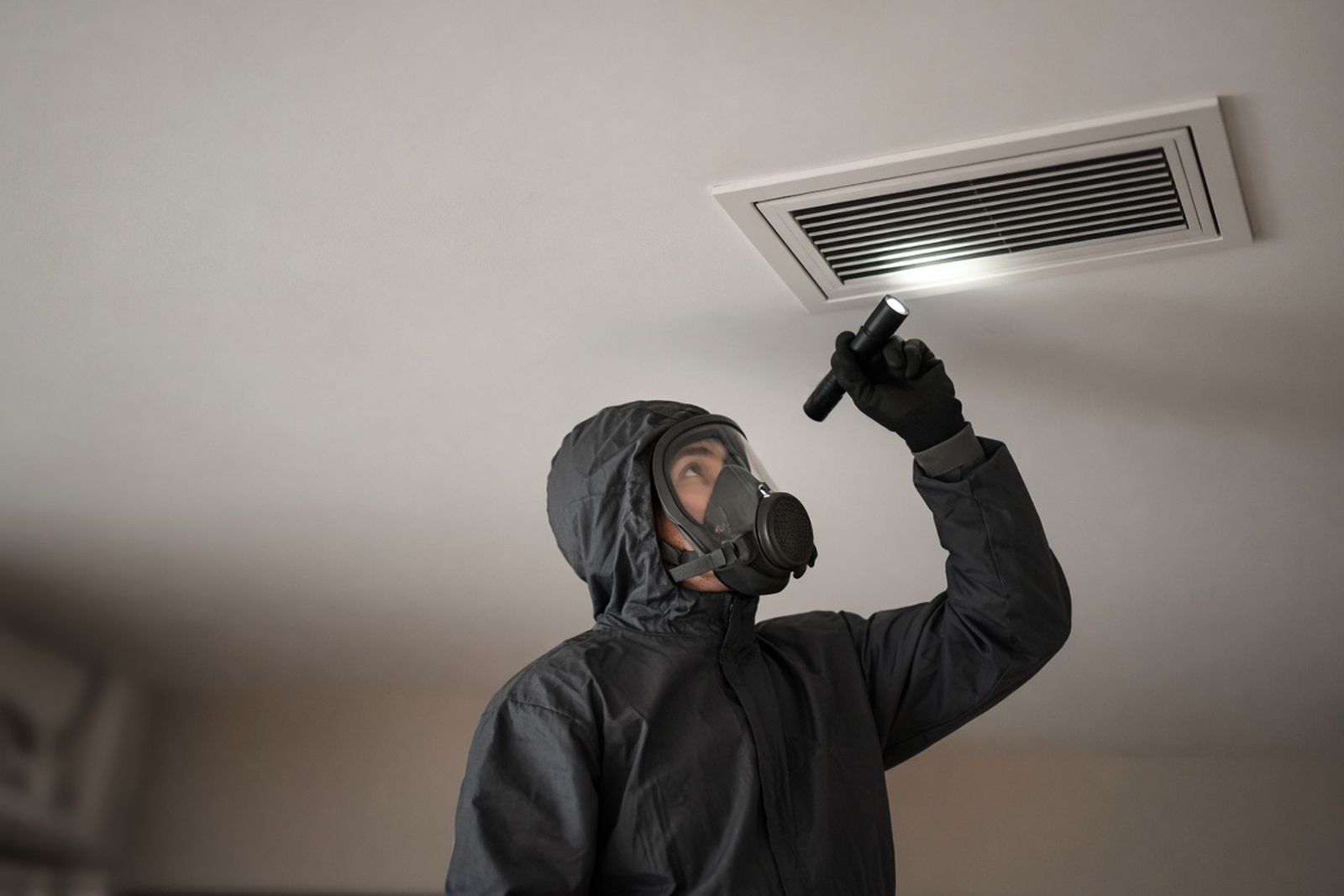
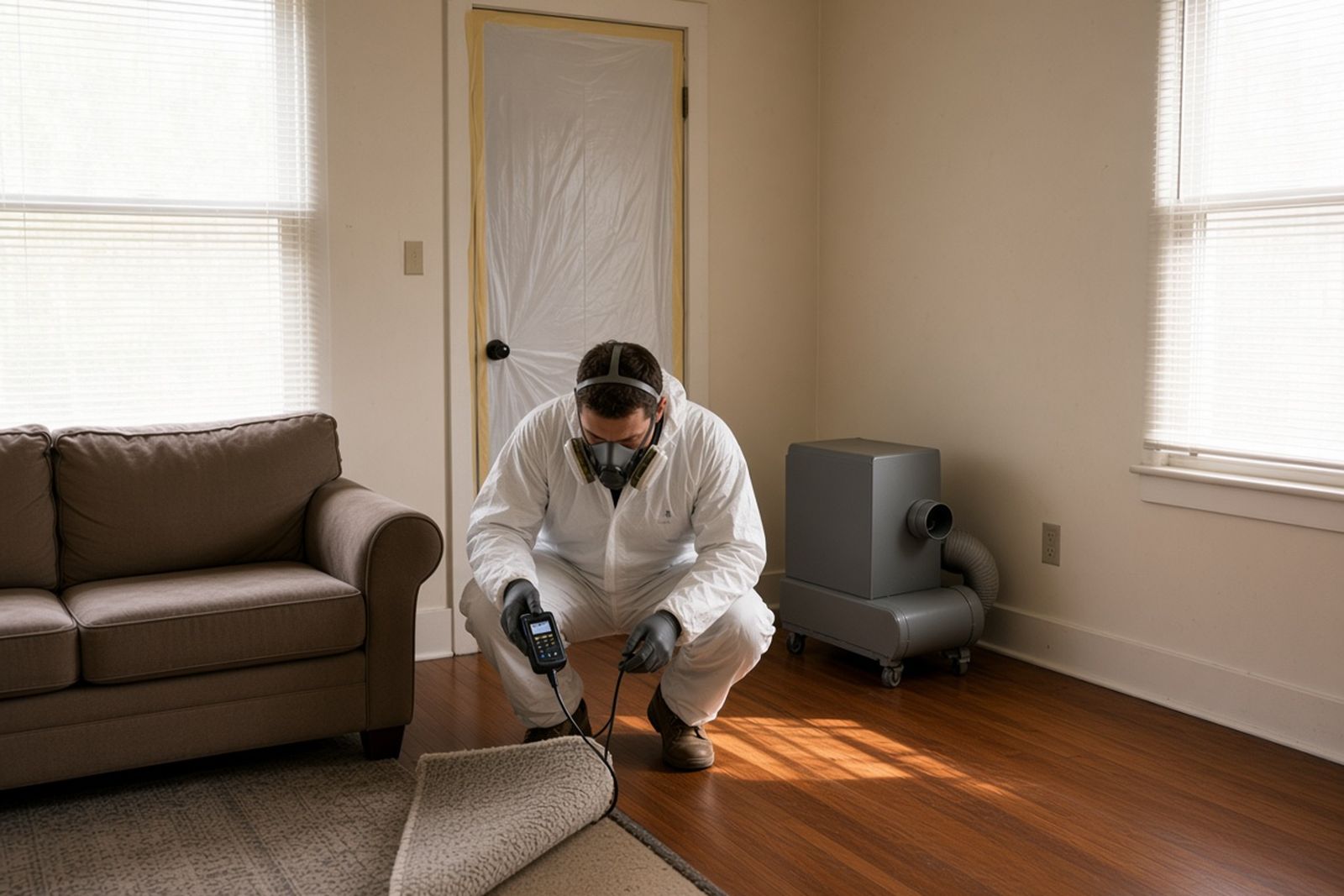
Portable tools helped fill that gap. Ultraviolet lights made dried urine and some other organic stains visible on carpet, baseboards, and walls. Moisture meters and, later, thermal imaging cameras helped locate damp materials behind surfaces. Borescopes let technicians look inside wall cavities through small holes.
These tools did not replace judgment. They made it more precise. A technician could now show a client exactly where a stain spread under a carpet, or which section of wall was still damp, and plan removal around evidence rather than guesswork. That shift also made written scopes and before-and-after documentation more common.
- Masking era: fragrance competes with the odor
- Cleaning era: residue is washed away but deep reservoirs remain
- Source-removal era: saturated materials are removed or sealed
- Integrated approach: source work first, air treatment last
Why did ozone become popular, and what took its place as the default?
Ozone generators became widespread because they are relatively inexpensive, easy to run, and can change how a space smells in a short time. For a while, they were marketed to homeowners and landlords as all-purpose air cleaners, and many restoration companies used them as a default treatment.
Federal agencies later raised strong concerns. Ozone is a lung irritant, and levels high enough to act on odors are not safe to breathe. EPA also notes that for many chemicals commonly found indoors, the reaction with ozone may take months or years, so ozone effectively does not react with them, according to its 2024 guidance on ozone generators sold as air cleaners.
The result is a more cautious role. Many professionals now use ozone, if at all, only in vacant, sealed spaces after source removal and cleaning, and they plan a ventilation period before anyone returns. It moved from being the first step to being, at most, one tool among several.
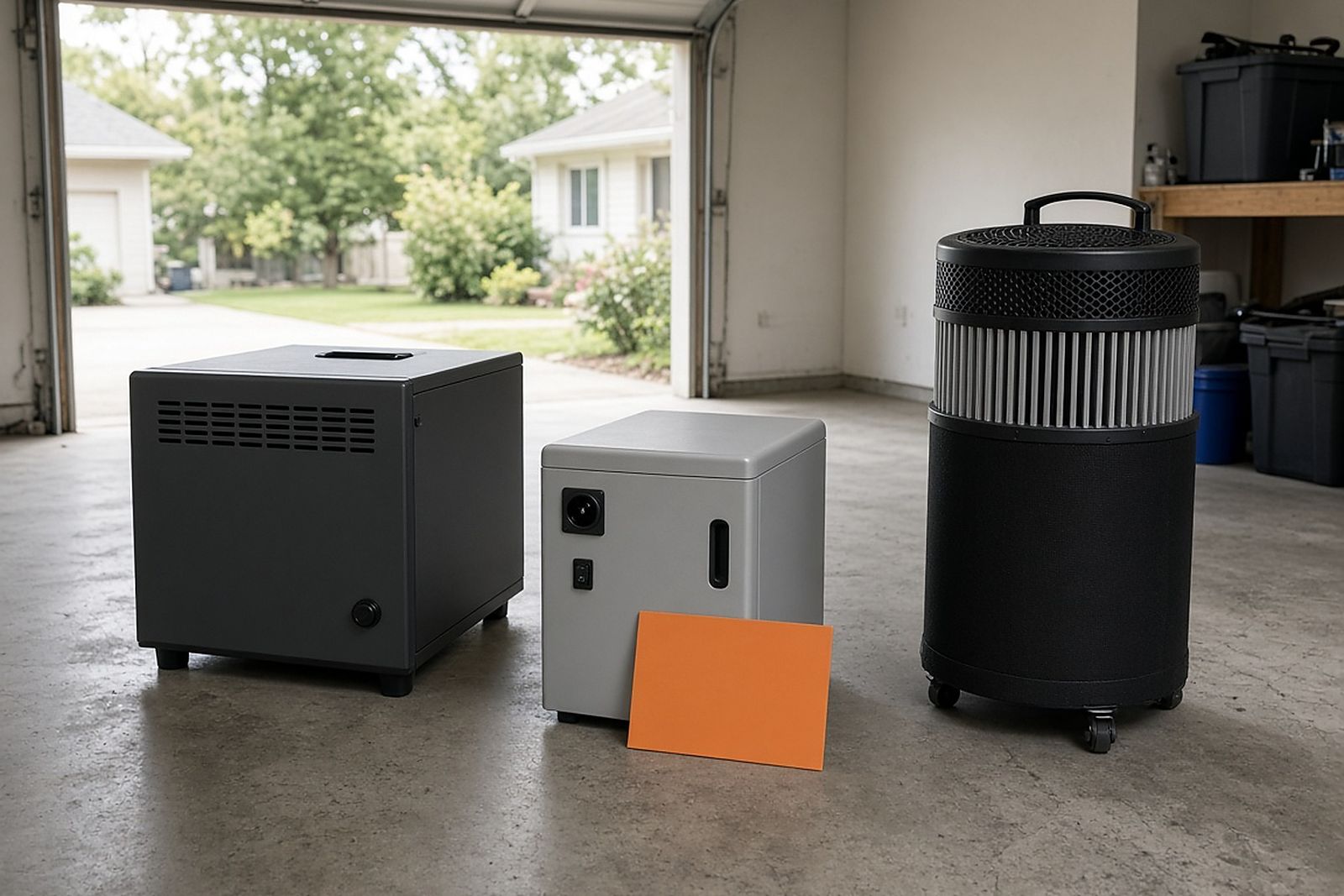
As ozone drew more scrutiny, other technologies gained ground. Hydroxyl generators, which use ultraviolet light to create short-lived reactive molecules, became popular because they can often be used with less disruption to occupants, depending on the equipment and the manufacturer's guidance.
Thermal fogging borrowed from fire restoration. By heating a deodorizing solution into a fine fog, technicians could reach the same crevices that smoke had penetrated. Activated carbon filtration and air scrubbers with high-efficiency filters became standard for capturing gases and particles during and after work.
Each method has tradeoffs, and none replaces source work. What changed was that providers began choosing air treatment to fit the situation, rather than using one machine for every job.
Sealing, and the lessons of thirdhand smoke
Some materials cannot be removed without major cost. Subfloors, framing, and concrete often carry stains or residue that cleaning cannot fully reach. Restoration professionals began relying on specialized primers and sealers designed to block odors and stains from coming back through new finishes.
Sealing only works after thorough cleaning and drying. Sealing over wet wood or active contamination can trap a problem instead of solving it. Understanding that sequence is one of the lessons the field learned through experience.
Today, sealing is a routine step in pet odor, smoke odor, and some decomposition odor jobs. A good scope will say which surfaces will be sealed and why.
Cigarette odor was long treated as a surface problem that painting and a good cleaning would solve. Research on what is now called thirdhand smoke challenged that view by showing how residue settles into dust, fabrics, and building materials and lingers well after smoking stops.
One widely cited finding came from a 2011 Tobacco Control study, which found thirdhand smoke residue persisted in former smokers' homes even after two months vacant plus cleaning and preparation for new residents. For landlords and odor professionals, that helped explain why a freshly painted unit could still smell of smoke on the first warm day.
The practical response was a more thorough sequence for smoke jobs: washing walls and ceilings before painting, replacing carpet and pad, cleaning or replacing window coverings, cleaning ductwork, changing filters, and sealing surfaces with an odor-blocking primer. What had once been a paint job became a multi-step remediation.
A more standardized field
For years, odor removal practices varied widely from one company to the next. Training organizations such as IICRC developed courses on odor control and related restoration topics, which helped create a shared vocabulary and baseline methods.
A major step came recently. The first ANSI/IICRC S700 Standard for Professional Fire and Smoke Damage Restoration, including a dedicated fire and smoke odor management section, was published January 3, 2025, according to IICRC. For smoke odor in particular, providers now have a formal reference for how assessment, cleaning, and odor management should be approached.
Standards do not guarantee quality on every job, but they give clients and insurers something to measure against. They also push the industry further away from single-treatment packages and toward documented, step-by-step work.
Then vs now, and what it means for you
The older and current approaches look very different on the same kind of job, such as smoke odor in a small house after a kitchen fire.
The older approach is to wipe visible soot, run an ozone machine for a day, and leave. The house smells better for a week, then the odor creeps back from cabinets, the attic, and the ductwork, and the owner has no written record of what was treated.
The current approach starts with inspecting every room, checking the ductwork and attic, and writing a scope. The crew cleans soot from all surfaces, removes damaged insulation, cleans the ducts, seals smoke-stained framing, and then uses air treatment suited to an empty house. The owner gets photos, a list of work performed, and a follow-up check after the house sits closed. The difference is not a new machine. It is a sequence built from decades of learning.
Knowing how the field evolved helps you spot outdated practices. A provider who leads with fragrance, or who proposes a single machine without looking for the source, is working from an older playbook.
Look for a provider whose plan reflects current practice: inspection with the right tools, source removal and cleaning, sealing where needed, air treatment chosen for your situation, and a verification step. Ask whether it follows industry standards for your type of odor, especially after a fire. Those questions put the lessons of the past to work for you.
History also explains why good odor work can take longer and cost more than a quick treatment. Each added step, from inspection tools to sealing, was adopted because simpler methods kept failing. When a provider walks you through that full sequence, it is drawing on what the field learned the hard way.