Short answer
Odor removal works because every smell is made of airborne molecules released by a physical source. Professionals find that source, remove or clean it, break down or seal remaining residue, and capture what is left in the air. Masking products only add competing molecules. Lasting results come from stopping the release of odor molecules, not from covering them up.
What is an odor, chemically speaking?
Every smell you notice is a set of molecules drifting through the air and landing on receptors inside your nose. If there are no molecules in the air, there is no smell. That simple fact drives every decision a good odor technician makes.
Most household odors come from volatile compounds, meaning substances that evaporate readily at room temperature. Decomposing organic matter releases sulfur compounds and amines. Pet urine breaks down into ammonia and, over time, into salts that release odor again whenever they get damp. Cigarette smoke leaves a sticky film of tar and nicotine that slowly gives off gases for months.
Because the molecules keep coming from a source, the smell keeps returning after you air a room out. Opening windows lowers the concentration for a while. It does nothing about the reservoir that is still producing more.
Why smells hide in walls, carpet, and furniture
Porous materials behave like sponges for both liquids and gases. Carpet pad, drywall paper, raw wood, ceiling tile, upholstery foam, and insulation all have enormous internal surface area. Odor molecules settle into those tiny spaces and cling there.
Liquids make it worse. A spill that looks small on the carpet surface may have wicked through the backing, spread across the pad, and soaked into the plywood subfloor beneath it. The visible stain is often the smallest part of the problem.
Temperature and humidity change how much a material releases. Warm, damp air encourages trapped compounds to evaporate, which is why an old urine spot or a smoke-stained closet often smells worse on a humid summer afternoon than on a dry winter morning.
HVAC systems add another path. Return vents pull air from the problem room and spread it through ducts, where dust and residue can coat interior surfaces and carry the smell into rooms that never had a source.
Hard, nonporous surfaces such as glazed tile, glass, and sealed countertops are the easy part. Residue sits on top where a cleaner can reach it. The challenge in almost every stubborn odor case is the porous layer hiding behind or beneath those finishes.
Why can't I smell it anymore when I live with it?
Your nose adapts. After a period of steady exposure, the brain turns down its response to a constant smell so that new smells stand out. People who live with a pet, a smoker, or a slow leak often stop noticing the odor entirely while visitors notice it the moment the door opens.
This adaptation has a safety side too. OSHA lists the hydrogen sulfide odor threshold at 0.01 to 1.5 ppm, while loss of smell, known as olfactory fatigue, occurs at 100 to 150 ppm, according to its 2024 hazard guidance. In plain terms, a strong rotten-egg smell that suddenly seems to fade can mean the gas has overwhelmed your sense of smell, not that it went away.
If you notice a sewer or rotten-egg smell near a floor drain, crawlspace, or septic area, treat it as a possible gas issue first. Leave the area, ventilate from outside if you can, and contact the utility or emergency services when there is any doubt.
Source removal first, then the right chemistry
Source removal is the step that makes the rest of the work pay off. If a material is saturated and cannot be cleaned through its full depth, taking it out eliminates the reservoir. That is why technicians so often cut out carpet pad, remove a section of drywall, or pull up a stained subfloor panel.
For materials that can stay, cleaning has to reach where the residue sits. Surface wiping handles hard, sealed finishes. Deeper materials may need flushing, extraction, or several applications with dwell time between them.
The order matters. Deodorizing a room before the source is gone is like mopping while the faucet still runs. Once the reservoir is gone or cleaned, air treatment has a finite amount of odor to deal with, and the results tend to last.
Think of it as a budget. Every odor source holds a limited supply of molecules. Removing a saturated pad might take away most of that supply in an afternoon, while fogging the same room could take many treatments and still leave the pad releasing odor on the next warm day.
Different chemistry suits different sources, which is why a professional will ask what caused the smell before choosing products.
Enzyme and bacterial cleaners digest organic matter such as urine, vomit, and food residue. They need moisture, time, and direct contact with the residue to work, so they are applied generously and left to sit.
Oxidizers change the structure of odor molecules so they no longer smell. Hydrogen peroxide blends, chlorine dioxide, and similar products fall into this group. They can be powerful, but they must be matched to the material because some bleach fabrics or react with finishes.
Sealers lock in what cannot be removed. After framing or a concrete slab has been cleaned, a shellac-based or other odor-blocking primer can encapsulate the last traces so they stop off-gassing into the room.
The chemistry only works when the product actually touches the residue. A spray that lands on carpet fibers never reaches urine salts in the pad, and a primer rolled over dusty framing may peel away and let odor escape. That is why preparation, contact, and dwell time appear in every good work plan.
- Enzyme products: organic residue on carpet, pad, and fabrics
- Oxidizers: residue on hard surfaces and in some porous materials, matched to the finish
- Encapsulating primers: cleaned framing, subfloor, and concrete
- Masking fragrances: none of the above; they only add competing molecules
Ozone vs air filtration
Ozone is often marketed as a cure-all, but the science is narrower than the advertising. EPA stated in 2024 that at concentrations that do not exceed public health standards, ozone is not effective at removing many odor-causing chemicals. Effective levels are high enough that people, pets, and plants must stay out of the space during treatment.
Professionals who do use ozone treat it as a targeted step in an empty, controlled space after cleaning. They should explain how long the space stays closed, how it will be aired out, and which materials such as rubber or certain fabrics might be affected.
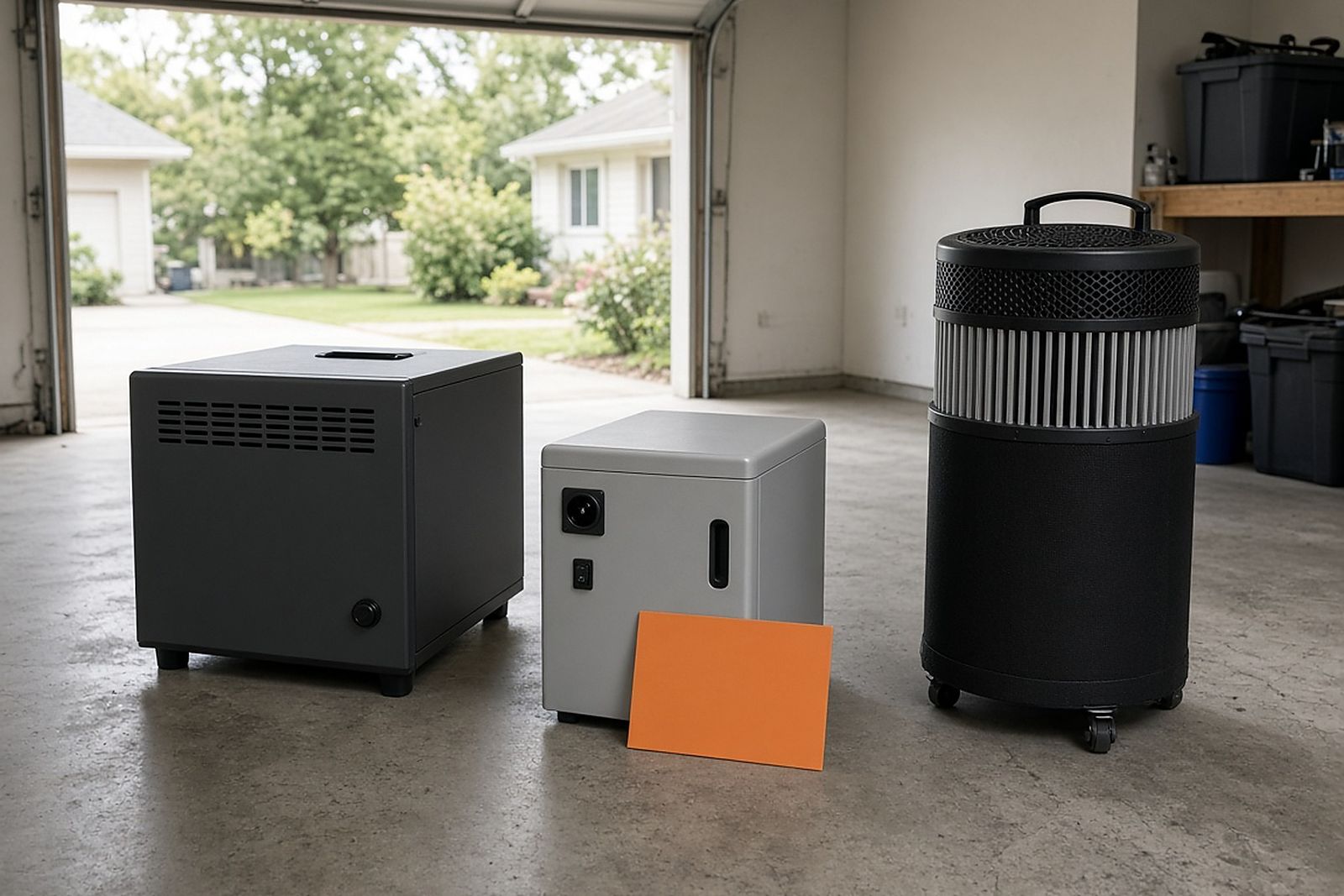
Filtration works differently. Activated carbon traps gas molecules on its surface. A Lawrence Berkeley National Laboratory study published in Building and Environment in 2012 found activated carbon fiber filters removed 50 to 60% of most VOCs, rising to 70 to 80% with heated regeneration, but only 25 to 30% of formaldehyde. That result shows filtration helps reduce what remains in the air, but it does not replace source removal.
HEPA filters capture particles, not gases. They are useful where smoke soot or dust carries odor, and they are often paired with carbon in the same machine.
The science on one bedroom floor, and how to confirm it worked
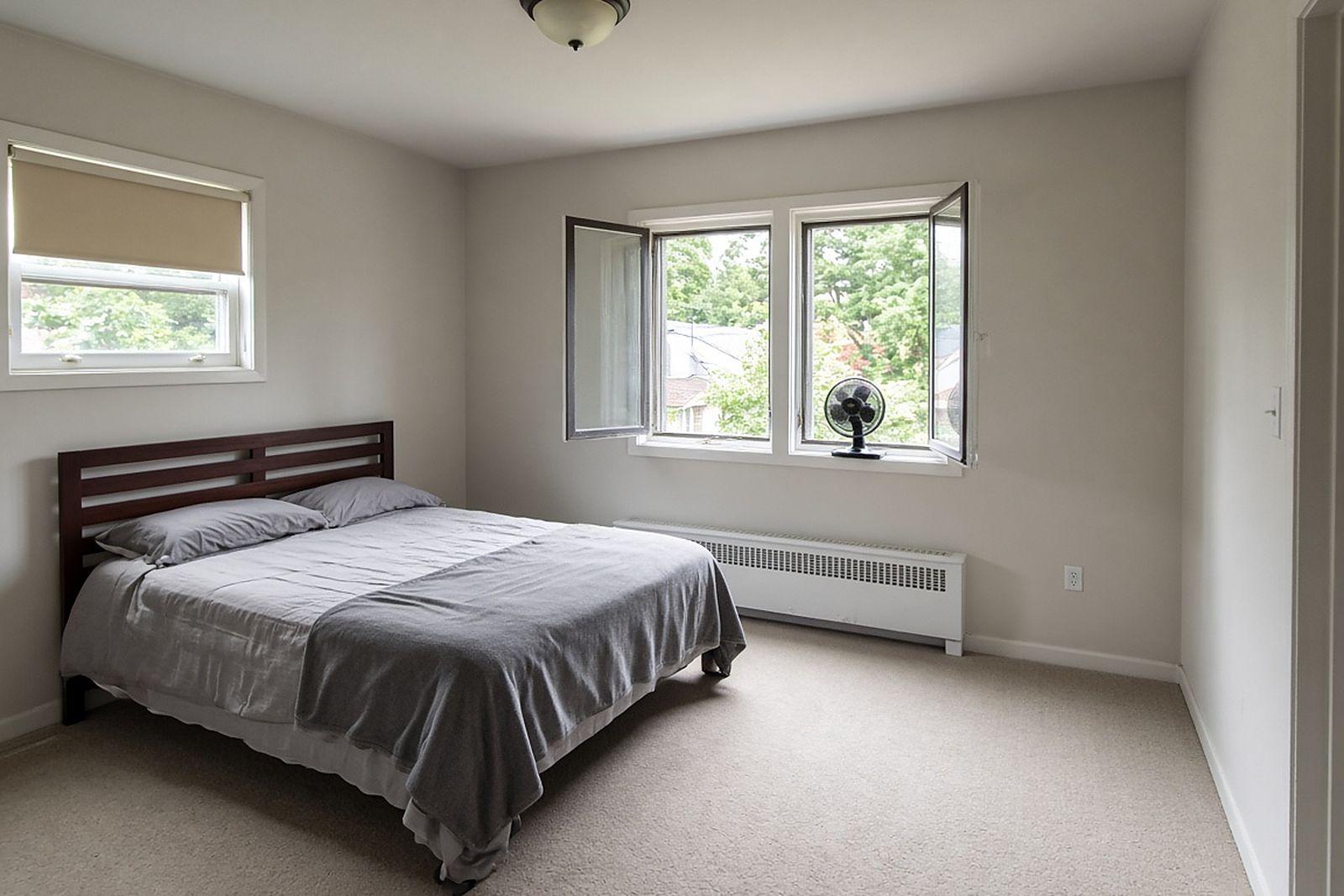
A classic case shows how the pieces fit: an older house that smells fine during a showing on a cool, dry day, then develops a sharp ammonia smell in one bedroom during the first humid week of summer.
A UV light across the carpet often reveals a scattered pattern of old pet urine near a closet or along a wall. Lifting the carpet usually shows the pad stained over a much wider area, and a moisture reading on the plywood subfloor shows whether liquid reached it.
A plan built on the science removes the pad and the worst carpet section, treats the subfloor with an enzyme product, gives it time to work, dries it, and seals it with an odor-blocking primer. Pulling the baseboard lets the technician check the bottom edge of the drywall. Carbon filtration runs during the work, and new pad and carpet go in only after the room passes a check on a humid afternoon.
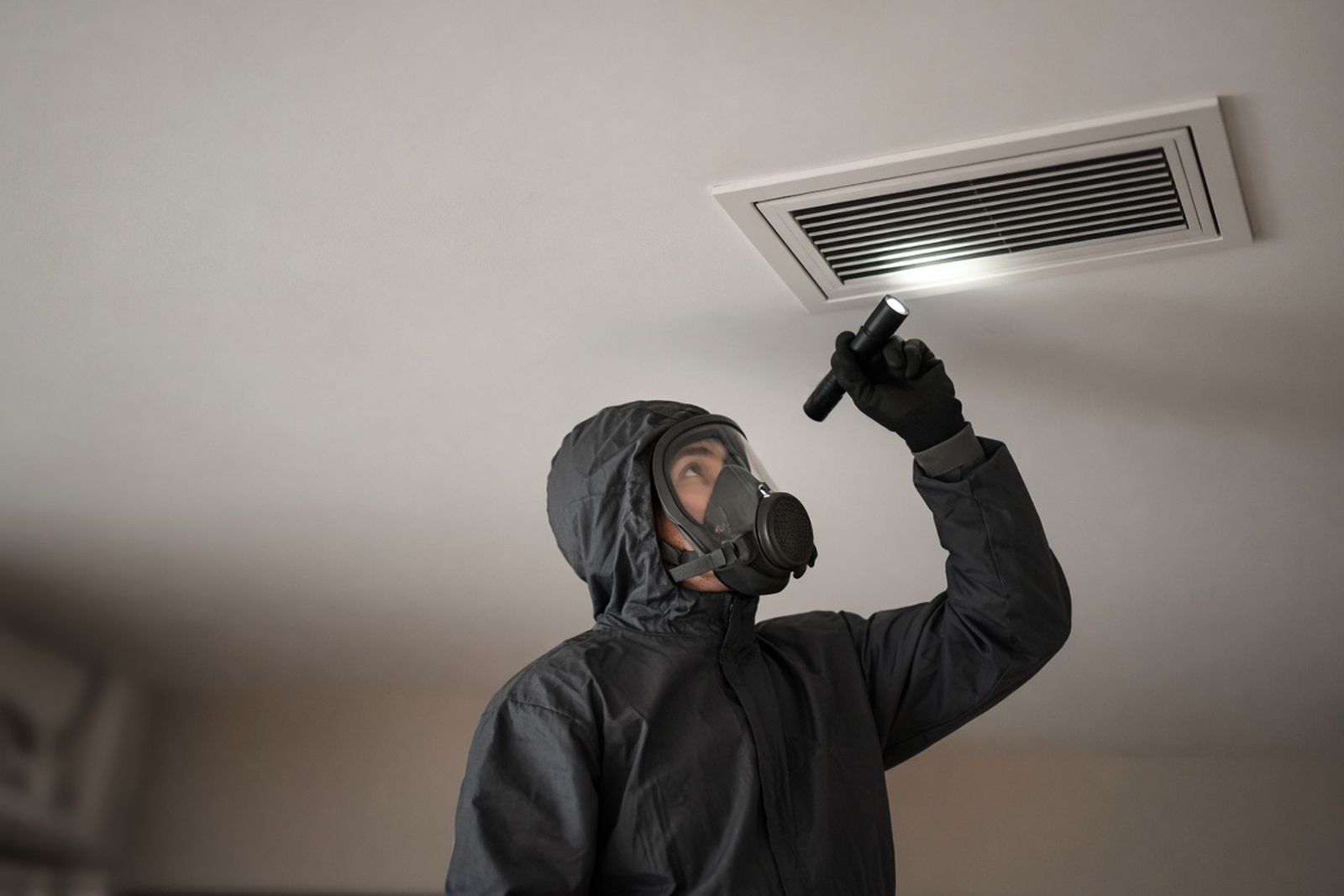
The return vent in that bedroom deserves a look too. Replacing the filter and keeping the system on fan mode during treatment lets lingering compounds pass through the carbon unit instead of settling in the ducts.
No step in that plan relies on fragrance. Each one removes, breaks down, seals, or captures the molecules that caused the smell.
Verification is part of the science, not an afterthought. Because smells change with temperature and humidity, a good test happens under the conditions that made the problem worst. That might mean closing the house up for a day, running the heat or air conditioning, or waiting for a damp stretch of weather.
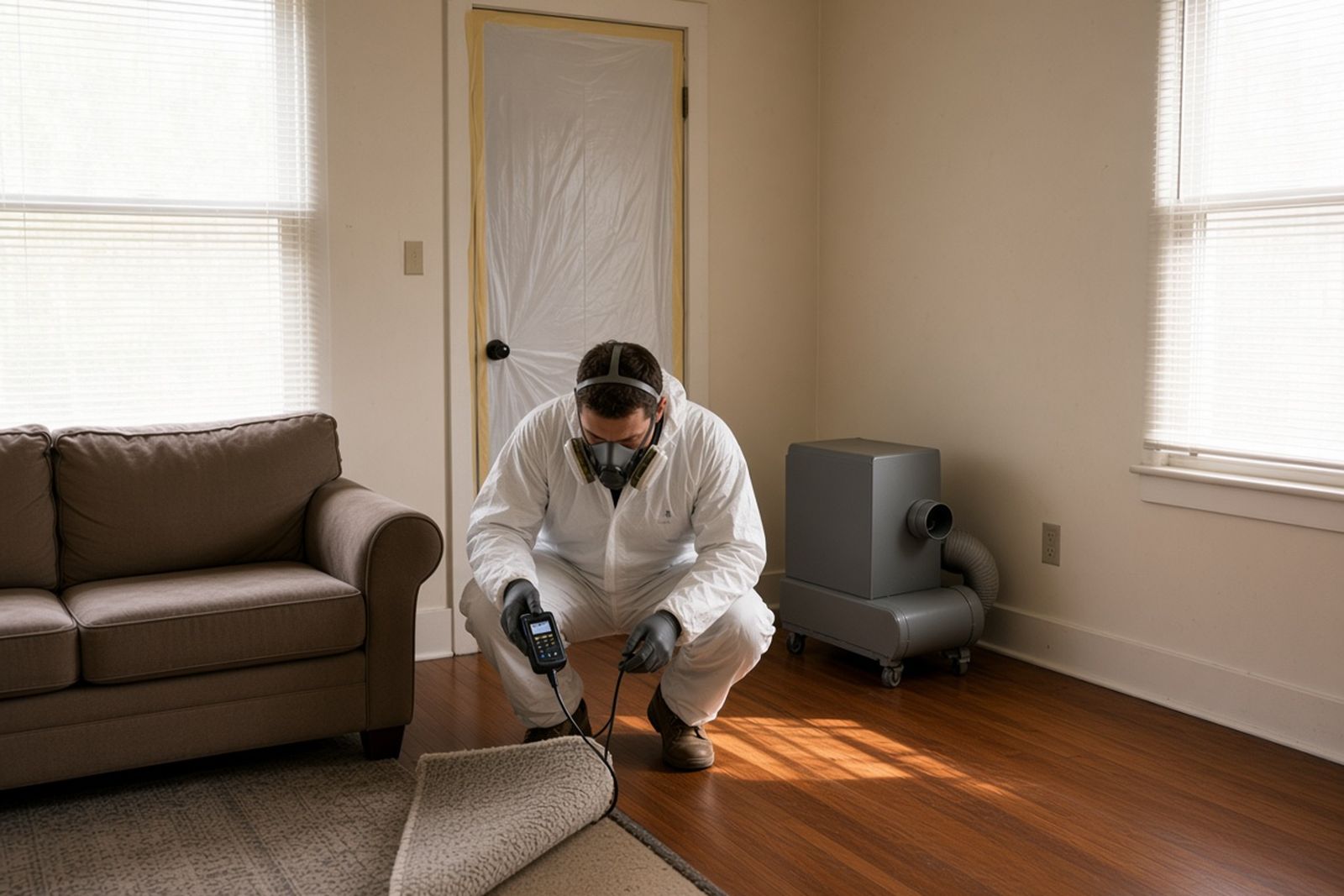
Some providers also use instruments during verification, such as moisture meters to confirm treated materials dried fully before sealing, or handheld gas meters when a sewer or combustion smell was part of the complaint. Instruments cannot measure every odor, but they can rule out conditions that would bring one back.
Ask the provider how they plan to confirm results and what happens if the smell returns. A clear answer usually includes a walk-through with fresh noses, a check of the HVAC system, and a defined follow-up window.
If odor comes back, the usual reason is a missed source, not weak air treatment. The right response is more investigation, not more fragrance.