Odor Removal: Industry Insights
Operational analysis of odor removal documentation, property-type differences, technology limits, environmental decisions, and provider business models—without invented case histories.
Industry posts look at how the odor removal business works and how its methods have changed. Articles trace the shift from covering smells with fragrance to removing the source and treating the air. They cover the growth of hydroxyl machines alongside ozone. They show how restoration companies, trauma cleaners, and odor experts overlap. Other posts discuss what property managers should expect from odor vendors at unit turnover. They cover how business jobs differ from home jobs, how a solid scope is written, and the effect on the environment of throwing out odor-soaked materials. You will also read about how insurers and landlords more and more ask for written proof that the source was removed.
Get an email reply about odor removal
Send a short message to the follow-up inbox. A coordinator can reply by email. This form does not send emergency help; call 911 first if anyone is in danger.
This context helps you make sense of the offers you get. A company that grew out of carpet cleaning may handle odor differently from one rooted in fire restoration or biohazard work. Each background has strengths and blind spots. Knowing how the industry works makes it easier to ask key questions. Who will really do the job? How are results checked? Does the plan fit your case, or just the tools the company happens to own? It also explains why some firms push machine rental days while others charge mainly for labor. Each model shapes the advice you hear. Knowing that background keeps you focused on the cause of the smell, not on how a company likes to price.
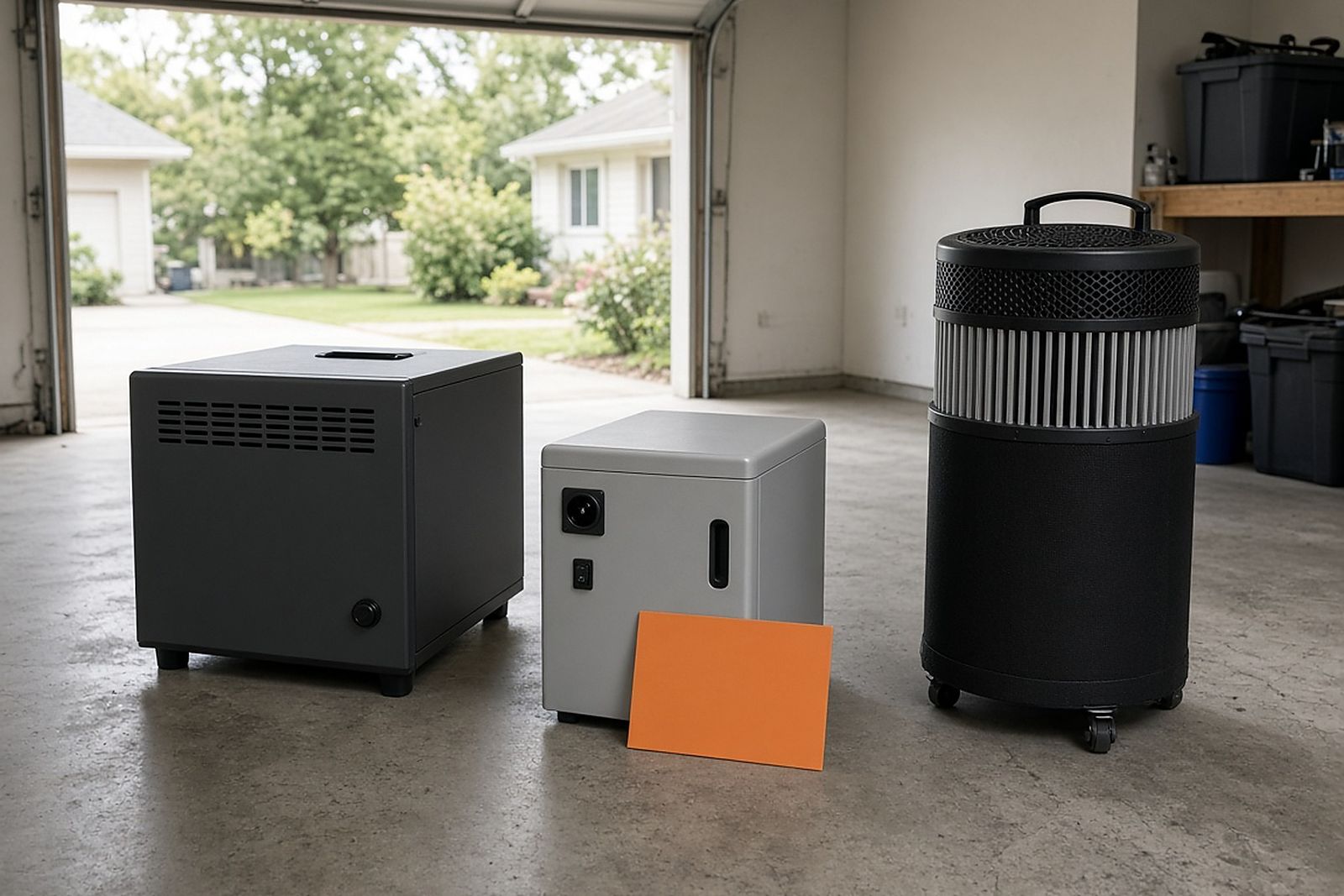
How Odor Removal Practice Has Changed
Odor removal moved from masking scents to source removal, sealing, and air treatment backed by standards. Here is how the practice changed and why it matters.
Odor removal has shifted from covering smells with fragrance toward finding and removing the source, cleaning residue, sealing what cannot be removed, and treating the air only at the end. Along the way, the industry adopted tools like UV lights and moisture meters, grew more cautious about ozone, and gained a formal standard for fire and smoke odor published in 2025.
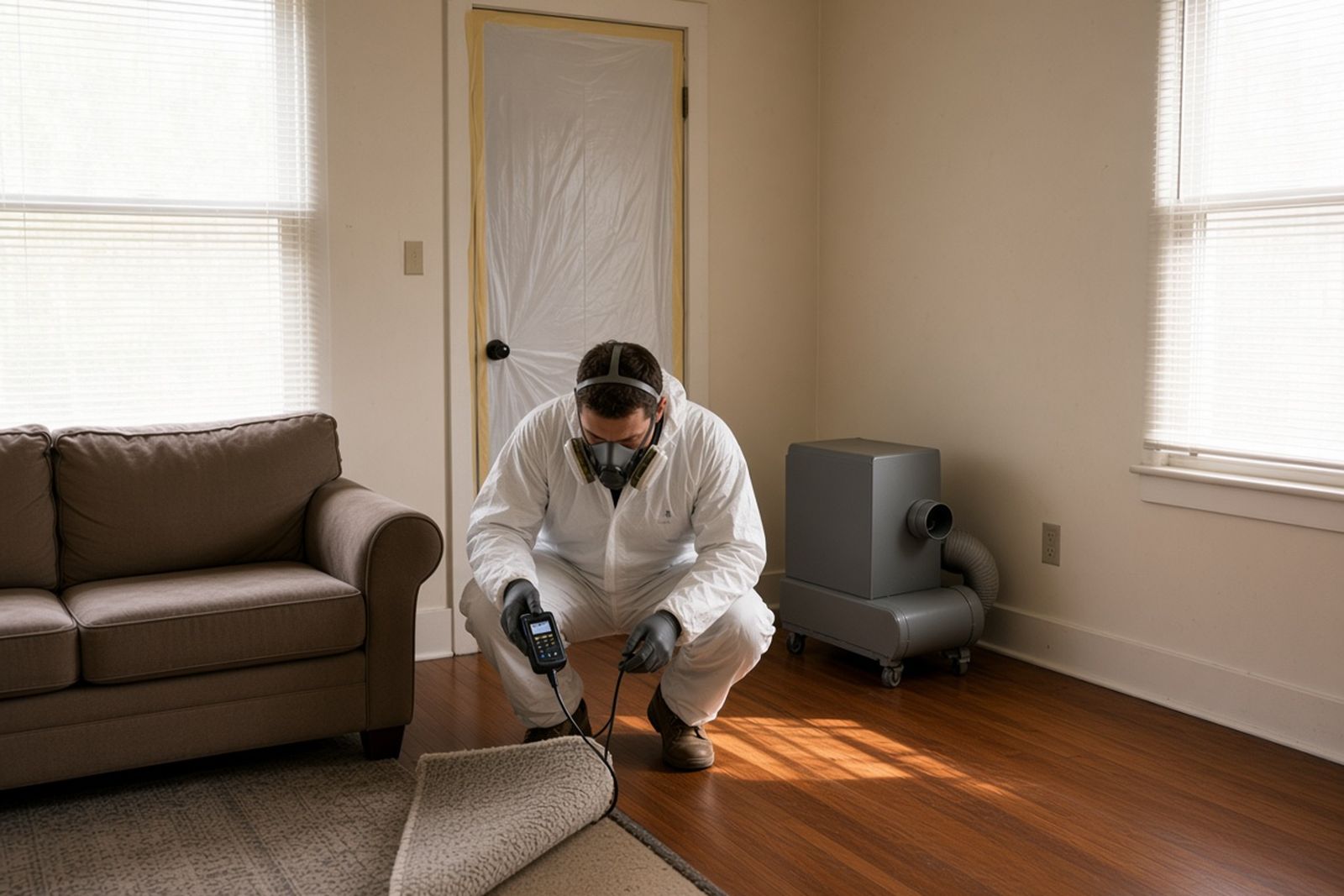
Odor Removal for Property Managers: What You Need to Know
Smoke film, pet saturation, and death odor can stall a unit turnover. Learn how property managers scope odor work, document it, and avoid repeat treatments.
Property managers get lasting odor results by treating smell as a source problem, not an air problem. Identify what caused it, confirm how far it spread through materials and shared ventilation, get a written scope that separates removal, cleaning, sealing, and air treatment, and verify under realistic conditions before listing the unit. Good documentation also supports deposit decisions and future turnovers.
Odor Removal Planning Example: Building a Defensible Scope
A hypothetical estate townhouse with decades of smoke and a damp basement shows how to build an odor scope that is traceable, testable, and easy to defend.
A defensible odor scope ties every line item to an observed source, states which materials will be removed, cleaned, sealed, or left alone and why, sets the order of work, and defines how success will be checked. This hypothetical estate townhouse example walks through inspection, source mapping, scope writing, verification, and the records that let heirs, buyers, and insurers understand what was done.
Commercial vs Residential Odor Removal
Restaurants, offices, and hotels face odor sources, ventilation, and occupancy limits that homes do not. See how commercial and home odor jobs differ.
Commercial and residential odor removal follow the same principle, find and remove the source, but they differ in scale, ventilation, scheduling, and who must be protected. Commercial jobs usually involve larger air handling systems, workers and customers who stay nearby, after-hours schedules, and more documentation for owners and tenants. Home jobs focus more on personal belongings, family routines, and a smaller, more personal set of decisions.
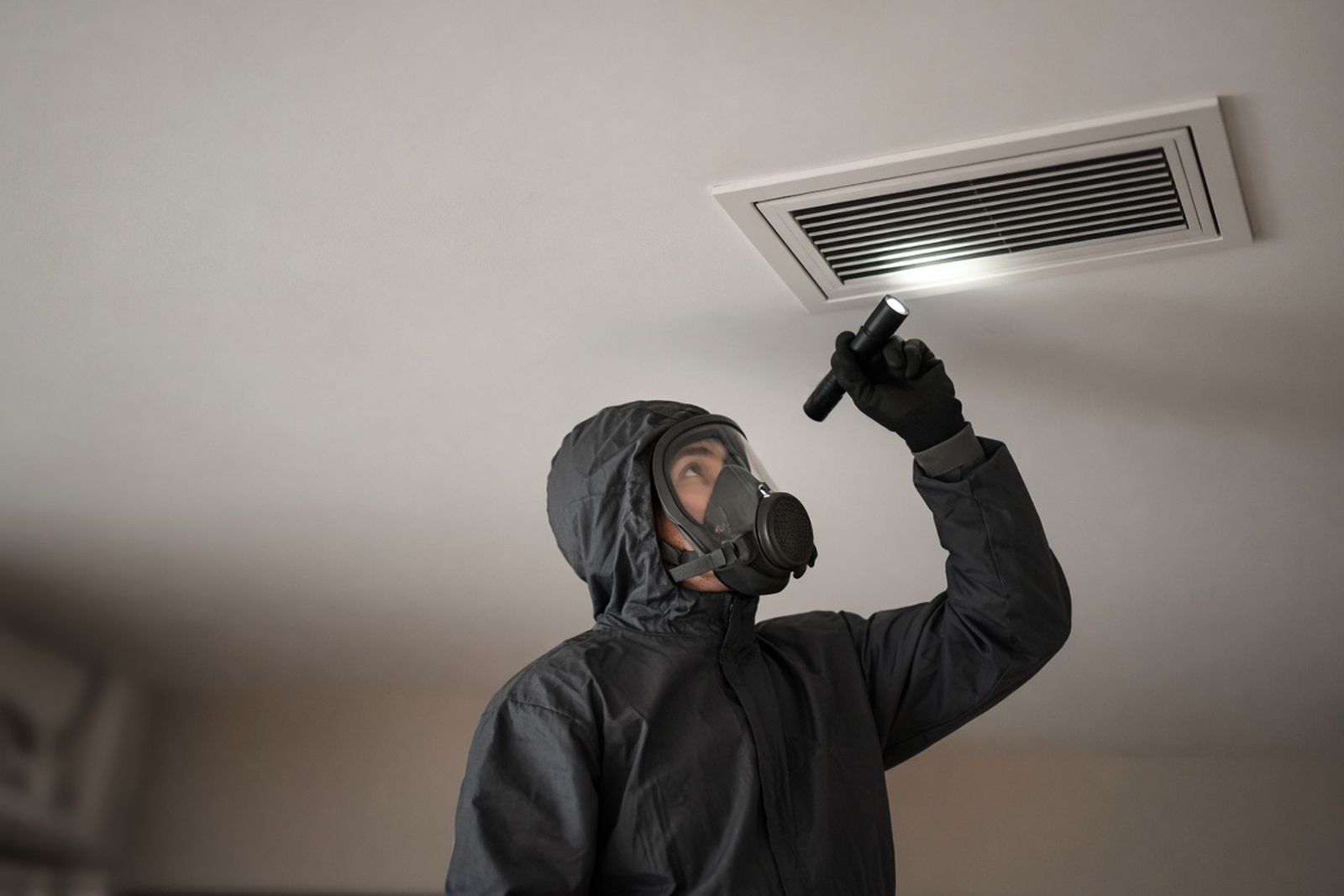
Environmental Responsibility in Odor Removal
Fewer chemicals, less landfill, and cleaner indoor air start with finding the odor source. See how responsible odor removal limits waste and chemical load.
Environmentally responsible odor removal starts with accurate diagnosis, because treating the real source uses fewer products and fewer repeat visits. It favors targeted removal over blanket demolition, cleaning and sealing over fragrance, filtration over unnecessary oxidizing gases, and careful handling of wastewater and discarded materials. Ask providers how they choose products, limit landfill waste, protect indoor air, and dispose of contaminated items.
Sourced figures on industry insights
- 2.21
Stronger liquid-sludge odor was associated with skin-rash reports (PR 2.21; 95% CI 1.13–4.32).
Read with care: Self-reported odor/symptoms; most symptom-group scores were similar across exposure groups.
Source: Wing et al. (2014)431 adults near liquid-sludge, cake-sludge or comparison areas.
- 34%
About 34% of multiunit housing residents with voluntary smoke-free home rules reported secondhand smoke entering their unit from elsewhere in the building, per CDC's 2013-2014 National Adult Tobacco Survey.
Read with care: Self-reported exposure from a decade-old survey; incursion rates vary by building type and local policy.
Source: CDC (2016)US multiunit housing residents, 2013-2014 NATS, American Journal of Preventive Medicine
- 100 ppm IDLH
NIOSH sets a 10-minute ceiling of 10 ppm for hydrogen sulfide and classifies 100 ppm as immediately dangerous to life or health.
Read with care: Occupational limits; residential sewage odors are usually far below these levels but confined spaces can accumulate gas.
Source: NIOSH (2019)US occupational guidance
These figures are public research and agency data, not this network's own job records. Keep each number with its population, year and limits; none of them predicts cost, timing or outcome at a specific property.
What research has found
Findings from published studies of people and properties in situations like this one. They describe what researchers observed in a specific group; they are not predictions for your case.
Excessive flies were reported about twice as often with moderate-to-strong sludge odor.
Pueblo respondents had the lowest well-being levels among the five sampled communities.
Industry Insights: common questions
How has professional odor removal changed over time?
In the past, many companies relied on fragrances and sealing products to cover up smells. Today, careful providers focus on finding and removing sources. Then they use air treatments, like hydroxyl or ozone, for any leftover odor. Moisture control and cleaning the heating and cooling system have also become standard parts of well-planned jobs.
What should property managers expect from an odor vendor at unit turnover?
Expect an inspection that shows whether odor comes from carpet, pad, subfloor, walls, or parts of the heating and cooling system. Expect a written scope for each one. You should also get a clear plan for keeping the unit empty during any ozone use. Ask for a final note you can keep in the unit file. And ask for a follow-up check before the next tenant moves in.
Is sealing a subfloor an acceptable way to handle odor?
Sealing can make sense after soiled material has been removed or fully cleaned, because it locks in any faint odor that is left. It is less reliable when used over badly soaked wood. There, odor may escape through gaps or come back with humidity. Ask the provider why they chose sealing instead of replacement for your floor.
Why do some odor companies subcontract part of the job?
Odor work can involve several specialties, such as biohazard cleanup, duct cleaning, tear-out, and rebuild. A company may hire another company for tasks outside its skills or equipment. That can be a sign of good judgment. You just need to know who is coming, what each company is in charge of, and who does the final check. Ask for the names of any hired companies in the written scope.
How do odor providers usually decide between hydroxyl and ozone?
They weigh whether the space can be fully emptied and how fragile the belongings are. They also think about how fast results are needed and how much odor is left after the source work. Ozone may be used in empty, sealed spaces. Hydroxyl is often chosen when people need to stay nearby, following the maker's guidance. Ask your provider which factors drove its choice for your home.
Why are some odor jobs handled by biohazard companies instead of odor specialists?
When a smell comes from a death, blood, sewage, or heavy animal waste, the first job is safely removing soiled materials. That takes special training, protective gear, and waste handling. Biohazard companies are set up for that work, and many also handle the odor phase afterward. Some odor experts team up with them or send those jobs their way.
Are odor removal franchises common in the industry?
Many restoration and cleaning brands run as franchises. Local owners use shared branding, training, and systems. Independent local companies and corporate branches also offer odor work. Quality varies within each model, since the local owner and crew shape the result. Judge each provider on its inspection, scope, and follow-up, not on how its business is set up.
Related community polls
Every count is a real visitor vote; nothing is seeded or padded. One vote per poll per device, and you can change your answer.
When a persistent smell first appeared in your home, what did you try first?
How long did you live with a recurring odor before seeking outside help?
More on odor removal
Odor Removal services
See how professionals trace death, pet, smoke, sewage, and musty odors to their source and remove it before any air treatment begins.
Costs explained
What drives the price, published cost ranges, and how to read a written quote line by line.

Insurance and payment
Which policies may respond, how to document a claim, and what to do if coverage is denied.
Planning tools
Estimate the job, check a provider, organize a claim, plan your first day, sort removed material, and decide if this odor job is safe to do yourself.
Community polls
See how other homeowners, renters, and landlords handled stubborn smells, what they tried first, and how they knew when an odor was really gone.
Knowledge quiz
Test what you know about where odors hide, safe use of air machines, how ducts spread smells, and why covering a smell is not the same as removing it.