Short answer
ATP testing measures biological residue on a swabbed surface, so it can help an odor job by showing whether organic sources such as urine, food, or bodily fluids were cleaned from hard surfaces. It cannot measure odor in the air, detect smoke film or chemical smells, or reach inside porous materials. Treat it as one verification tool alongside inspection and a controlled smell test.
What does an ATP test actually measure?
ATP stands for adenosine triphosphate, a molecule found in living cells and in the organic residue they leave behind. An ATP test uses a swab that is rubbed across a surface, then placed in a handheld reader called a luminometer. The reader produces a number in relative light units, often shortened to RLU. A higher number means more organic material was picked up by the swab.
That makes ATP a measure of biological soil. It responds to residue from food, skin cells, bodily fluids, urine, feces, and microbes. It does not identify which of those was present, and it does not tell you whether anything on the surface is infectious.
It also does not measure smell. Odor is a set of airborne molecules drifting off a source. ATP looks at what is sitting on a small patch of surface at one moment. Those are related questions, but they are not the same question.
Where ATP readings help
ATP is most useful when the odor has a biological origin and the source sits on or near hard, nonporous surfaces. Think of a kitchen after spoiled food sat for weeks, a bathroom with urine around the base of a toilet, or tile and baseboards after a pet accident was cleaned.
In those settings, a swab before cleaning and another after can show whether the organic residue was actually removed. If the second reading is still high, the surface needs more work, and the odor is likely to return when the room warms up. A low reading supports the claim that the source was cleaned, at least at the spots tested.
ATP readings can also guide where to focus. A technician might swab several points along a baseboard and find one area reading far higher than the rest. That points to where liquid collected or where cleaning missed a seam.
Some providers use ATP after fogging or wiping to show a change. In a 2022 critical care study by Khandelwal and colleagues, ATP readings fell 88% after hybrid hydrogen peroxide fogging. That was a hospital setting focused on disinfection rather than odor, but it shows the kind of before-and-after comparison ATP is built for.
Where ATP falls short, or misleads
Many common odors are not biological. Cigarette and vape residue, fire smoke, fuel, solvents, and many household chemicals produce little or no ATP signal. A kitchen coated in smoke film can swab clean on ATP and still smell strongly.
ATP also cannot see inside porous materials. A swab across the top of carpet fibers says nothing about urine salts in the pad or the subfloor beneath it. A clean reading on drywall paint does not rule out fluids that wicked into the paper backing.
Some cleaning chemicals interfere with the reaction the reader relies on, raising or lowering the number. Surface texture changes how much residue the swab picks up. Readings from different brands of meter are not directly comparable.
Finally, ATP gives a snapshot of a few square inches. If the technician swabs the wrong spots, the job can look finished on paper while the real source sits a few feet away. The number is only as good as the sampling plan behind it.
- Smoke, fuel, and chemical odors: little or no ATP signal
- Carpet pad, subfloor, and wall cavities: out of reach for a surface swab
- Residual cleaners: can skew readings
- Different meter brands: numbers not interchangeable
Can ATP tell me a room is safe after a death or sewage odor?
Not on its own. After a decomposition event or a sewage backup, the odor is a symptom of contamination that needs biohazard cleanup first. ATP can help show that visible organic residue was removed from hard surfaces, but a low reading does not mean every pathogen is gone, and it says nothing about fluids that reached subfloor, framing, or insulation.
In these situations, the order of work matters more than any single test. Contaminated porous materials are removed, hard surfaces are cleaned and then disinfected with a registered product at its label contact time, and only after that does odor treatment begin. ATP swabs can be taken at the cleaning stage to confirm soil removal before disinfection.
If a provider suggests that ATP alone clears a room for reoccupancy after a death or sewage event, ask what else they checked. Materials removed during that kind of work may count as regulated waste in some places, which is another reason to rely on a qualified team rather than a meter reading.
No universal pass or fail number
No universal threshold exists for odor jobs. Manufacturers publish suggested ranges for their own devices, and some facilities set internal targets for kitchens or patient rooms. Those targets were designed for cleaning and hygiene programs, not for deciding whether a house stops smelling.
A thoughtful provider uses ATP as a comparison tool. They record a reading before cleaning, clean, record again, and look for a meaningful drop. They may also compare an affected area to a similar untouched surface elsewhere in the home.
Be cautious of anyone who presents a single low number as proof that the odor is gone. Ask what they swabbed, why they chose those spots, and what the reading was before they started.
ATP alongside other verification methods
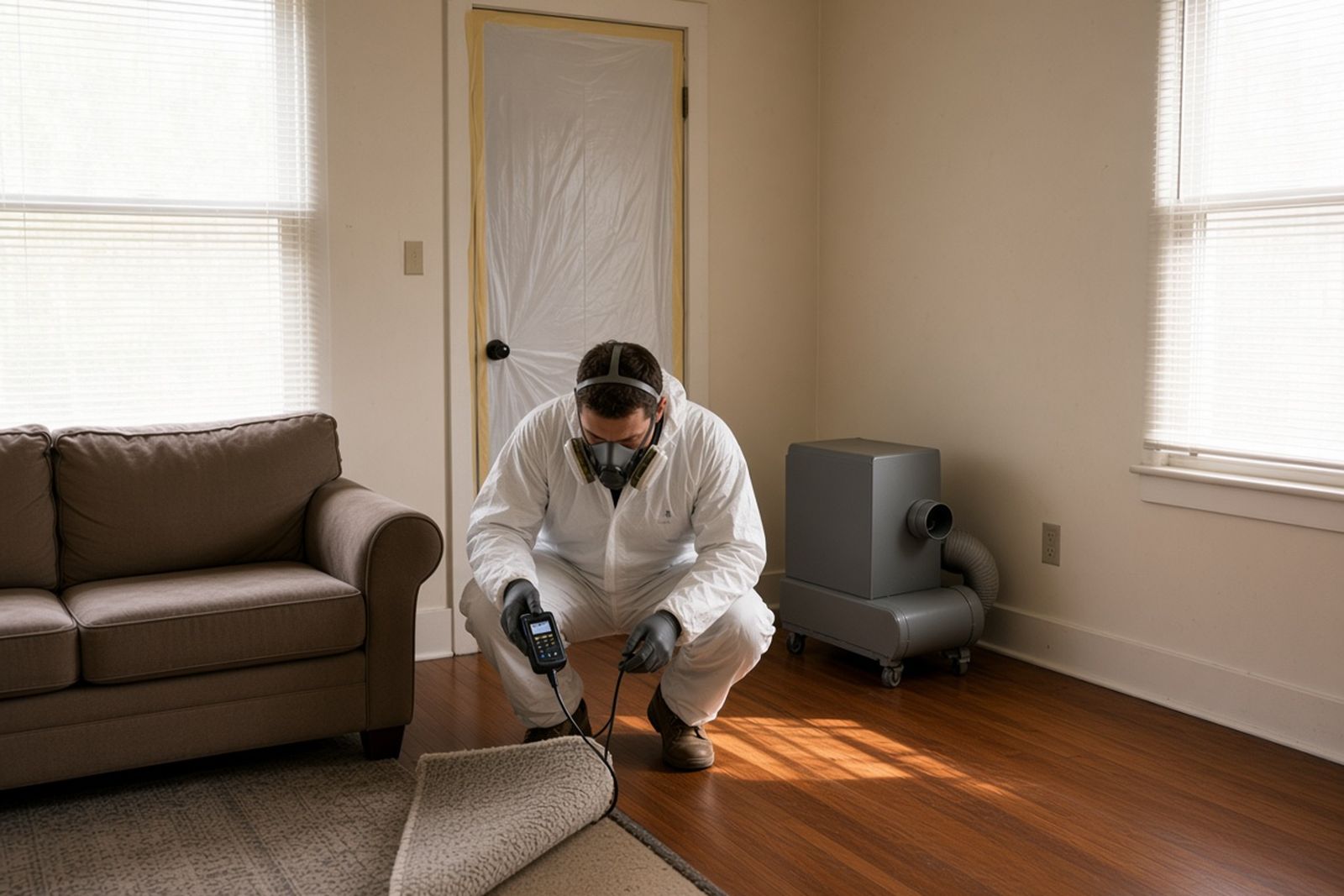
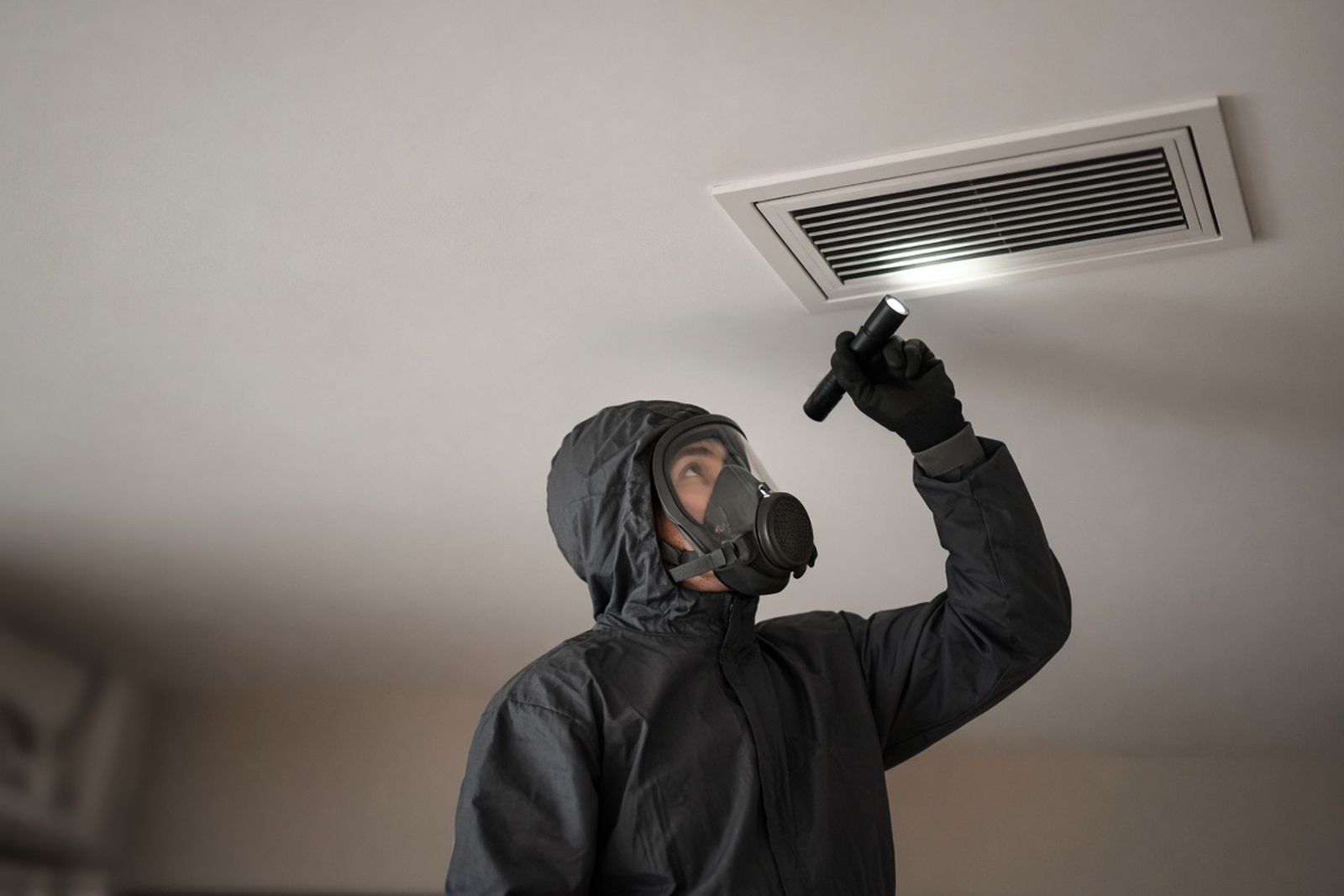
The strongest verification for odor combines several checks. Visual inspection with good lighting and UV where appropriate shows staining and residue. Moisture meters confirm that treated materials are dry before sealing. ATP confirms that hard surfaces were cleaned of organic soil.
The most important test is still the human nose under realistic conditions. That usually means closing the space, letting it warm up, running the HVAC, and having people who have not been inside recently walk through. If they smell nothing, the combination of tests supports a good result.
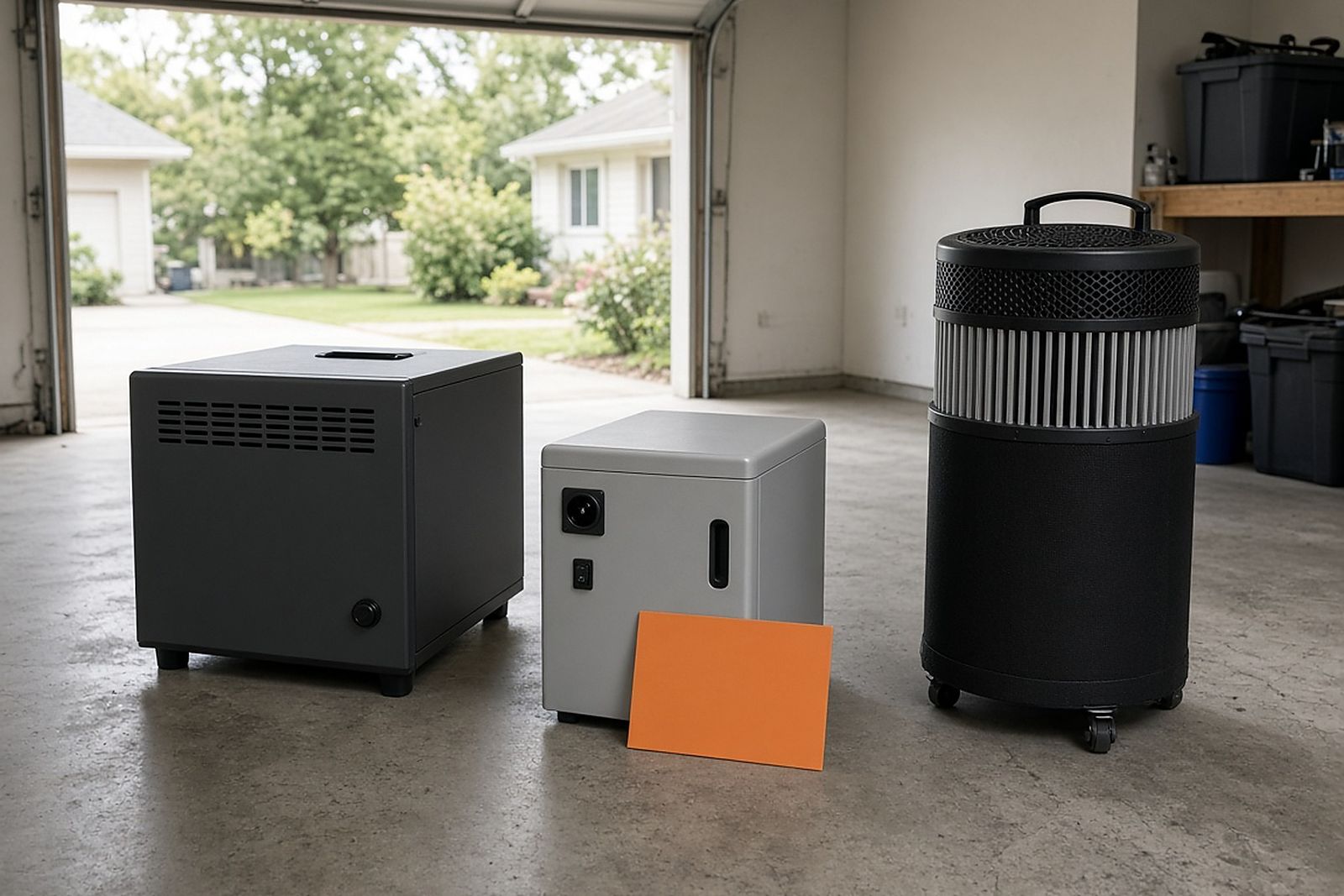
Air cleaning adds another piece. Carbon filtration units can lower what remains in the air after cleaning, but ATP cannot tell you whether they are working, because they act on gases rather than surfaces.
An ATP-guided garage cleanup (illustrative)
Take an illustrative case rather than a real job. A homeowner returns from a long trip to find that a freezer in the garage lost power weeks ago. Meat thawed, spoiled, and leaked onto the garage floor and down the side of the freezer. The smell has reached the laundry room through the connecting door.
The technician removes and disposes of the freezer contents, pulls the freezer away from the wall, and finds that liquid ran along the slab to a gap under the drywall. She swabs the freezer interior, the slab, and the lower wall before cleaning and records high readings at all three.
After cleaning, the freezer interior and slab read far lower. The lower wall still reads high. She cuts back the bottom of the drywall and finds wet, stained material behind it. That section is removed, the framing is cleaned and dried, and a moisture meter confirms it is ready to seal.
A final swab on the framing reads low. The garage is closed up overnight, and the homeowner and a neighbor walk through the next afternoon. Neither notices the smell. ATP did not prove the odor was gone by itself, but it showed exactly where cleaning had not yet reached.
Questions to ask, and whether it is worth paying for
ATP can be a sign of a careful provider, or it can be a marketing prop. A few questions sort one from the other.
Ask what the odor source is and whether it is biological. If the problem is smoke or a chemical, ATP adds little. Ask where they plan to swab and why. Ask whether they will take readings before and after, and whether you will receive the numbers in writing.
Ask how they handle porous materials that a swab cannot reach. A good answer involves inspection, removal where needed, moisture checks, and a smell test under realistic conditions.
For biological odors on hard surfaces, ATP can be a useful and inexpensive addition to verification, especially in rentals, commercial kitchens, or homes being prepared for sale where you want written evidence of the work. For smoke, fuel, chemical, or deeply soaked porous materials, it usually adds little value on its own.
What matters most is whether the provider found and dealt with the source. ATP is a way to check part of that work, not a substitute for it. If a bid leans heavily on testing and lightly on removal, cleaning, and sealing, ask why.
Any biological waste removed during the job, such as spoiled food, contaminated materials, or fluid-soaked items, should be packaged and disposed of the way your county's solid waste or environmental health office requires.
- Is this odor biological, chemical, or smoke-related?
- Which surfaces will you swab, and why those?
- Will I get before and after readings in writing?
- How will you check materials a swab cannot reach?
- What final test decides the job is complete?